THE ADVENTURE COLLECTIVE® · Independent discovery and booking for outdoor travel

Three days of Kaligandaki rafting from Pokhara combine technical whitewater, riverside camping, and Himalayan panoramas. Ideal for fit travelers, the trip pairs adrenaline on the water with simple nights under the stars.
Three days of Kaligandaki rafting from Pokhara combine technical whitewater, riverside camping, and Himalayan panoramas. Ideal for fit travelers, the trip pairs adrenaline on the water with simple nights under the stars.
The first paddle stroke cuts a cold, clear ribbon through the Himalayan light as the Kaligandaki pulls the raft into a corridor of cliffs. Peaks—white with lingering snow—lean toward the river and the current dares you forward, alternating calm pools with muscular rapids that clap against the hull.
Verified experiences and guided adventures in the surrounding area.
Operated by Crystal Holidays Nepal · Pokhara, Gandaki Province
The first paddle stroke cuts a cold, clear ribbon through the Himalayan light as the Kaligandaki pulls the raft into a corridor of cliffs. Peaks—white with lingering snow—lean toward the river and the current dares you forward, alternating calm pools with muscular rapids that clap against the hull.
This three-day loop from Pokhara follows a historic waterway that once carried salt and traders between Mustang and the lowlands; geology here is obvious—ancient tectonic uplift has squeezed a deep gorge between Dhaulagiri and Annapurna. Local Magar and Gurung villages dot the banks, where tea houses and terraced fields slope gently down to the water.
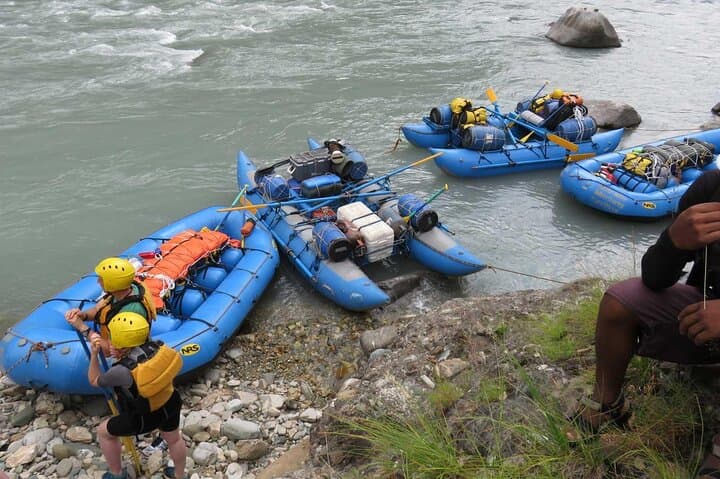
Expect a varied rafting experience: technical rapids that demand quick, coordinated strokes and long, scenic stretches where the river eases and the camp crew sets tents on pebble beaches. Nights are simple—tents, campfires, and panoramic skies where constellations feel close enough to touch. Guides brief safety, lead scouting, and manage river permits and gear; participants should be prepared for physically demanding days and basic backcountry camping.
Practical tips: pack quick-dry layers, secure river footwear, and a dry bag for essentials. Hydrate often and stagger exertion through rapids. Mornings are cooler—start early to catch calmer water and softer light for photos. Weather can change quickly; follow guide instructions, leave no trace, and treat the river’s wildlife and riverside communities with respect. This trip is best for fit travelers ready for sustained paddling, rustic nights, and high-elevation scenery.
challenging.
3 days (approx. 72 hours).
Requires a high level of fitness; comfortable with sustained paddling, short portages, and overnight backcountry camping.
You should have good cardiovascular fitness and be comfortable paddling for several hours; guides assist during difficult rapids but repeated exertion and some hiking at camps may be required.
Participants sleep in shared or individual tents on riverside pebble beaches; organizers provide tents and basic sleeping mats—bring a warm sleeping bag appropriate for cool Himalayan nights.
No formal experience is required, but prior rafting or paddling experience helps; guides teach safety, strokes, and rescue basics before entering technical sections.
Operators monitor river conditions and weather; trips can be delayed, rerouted, or canceled for safety reasons and refunds generally follow the provider’s policy if called off.
The Kaligandaki corridor was a traditional trade route for salt and goods between Mustang and the Terai; the river also carves one of the world’s deepest gorges between major Himalayan massifs.
The river ecosystem is sensitive—avoid single-use plastics, use camp stoves where possible, and follow leave-no-trace practices to protect riverbanks and village water sources.
Crystal Holidays Nepal operates guided outdoor trips and adventures with an emphasis on safety, stewardship, and memorable experiences.
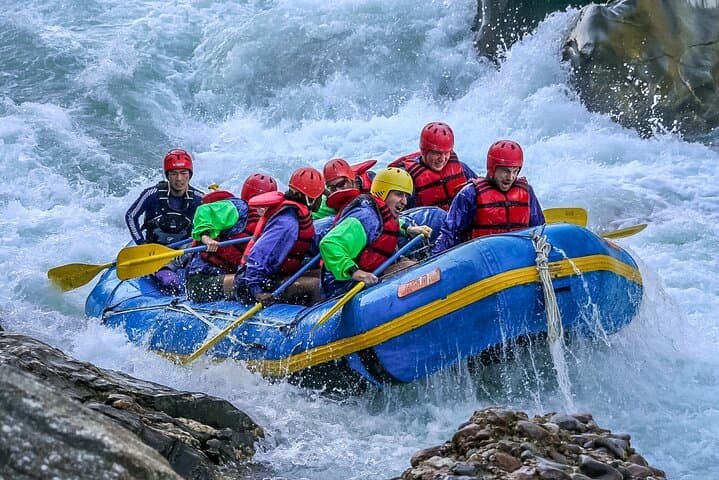
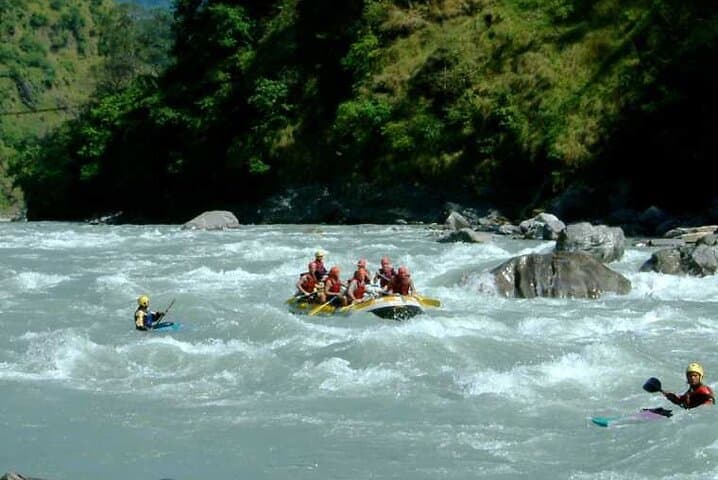
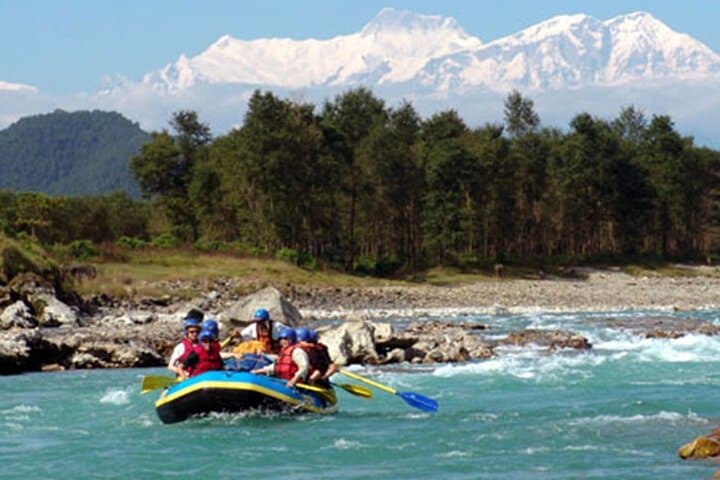
The first paddle stroke cuts a cold, clear ribbon through the Himalayan light as the Kaligandaki pulls the raft into a corridor of cliffs. Peaks—white with lingering snow—lean toward the river and the current dares you forward, alternating calm pools with muscular rapids that clap against the hull.
The first paddle stroke cuts a cold, clear ribbon through the Himalayan light as the Kaligandaki pulls the raft into a corridor of cliffs. Peaks—white with lingering snow—lean toward the river and the current dares you forward, alternating calm pools with muscular rapids that clap against the hull.
This three-day loop from Pokhara follows a historic waterway that once carried salt and traders between Mustang and the lowlands; geology here is obvious—ancient tectonic uplift has squeezed a deep gorge between Dhaulagiri and Annapurna. Local Magar and Gurung villages dot the banks, where tea houses and terraced fields slope gently down to the water.
Expect a varied rafting experience: technical rapids that demand quick, coordinated strokes and long, scenic stretches where the river eases and the camp crew sets tents on pebble beaches. Nights are simple—tents, campfires, and panoramic skies where constellations feel close enough to touch. Guides brief safety, lead scouting, and manage river permits and gear; participants should be prepared for physically demanding days and basic backcountry camping.
Practical tips: pack quick-dry layers, secure river footwear, and a dry bag for essentials. Hydrate often and stagger exertion through rapids. Mornings are cooler—start early to catch calmer water and softer light for photos. Weather can change quickly; follow guide instructions, leave no trace, and treat the river’s wildlife and riverside communities with respect. This trip is best for fit travelers ready for sustained paddling, rustic nights, and high-elevation scenery.