THE ADVENTURE COLLECTIVE® · Independent discovery and booking for outdoor travel

Three days across Jordan compress centuries and landscapes: walk Petra’s carved canyons, pilot a 4x4 across Wadi Rum’s sandstone plains, then float in the buoyant Dead Sea. Practical tips and local insights help you make the most of each day.
Three days across Jordan compress centuries and landscapes: walk Petra’s carved canyons, pilot a 4x4 across Wadi Rum’s sandstone plains, then float in the buoyant Dead Sea. Practical tips and local insights help you make the most of each day.
You step through the Siq before sunrise and the canyon narrows like a secret closing behind you. Light threads down between rose-colored walls until the Treasury erupts into view — a sudden, carved city suspended in sandstone.
Verified experiences and guided adventures in the surrounding area.
Operated by R&H VIP Transportation Services · Wadi Musa, Ma'an
You step through the Siq before sunrise and the canyon narrows like a secret closing behind you. Light threads down between rose-colored walls until the Treasury erupts into view — a sudden, carved city suspended in sandstone.
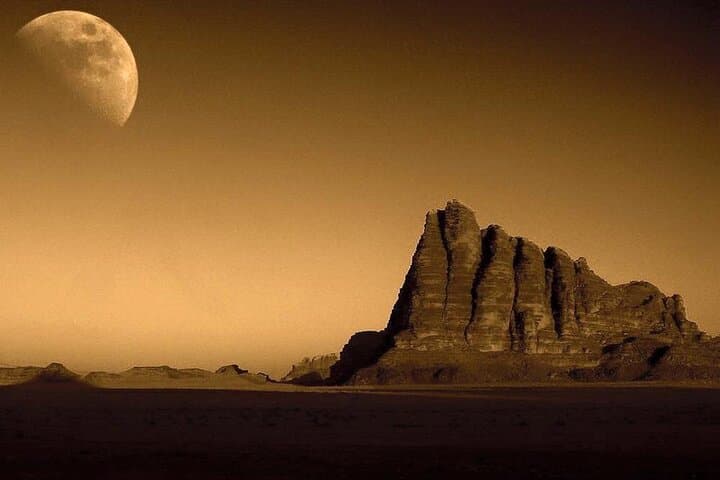
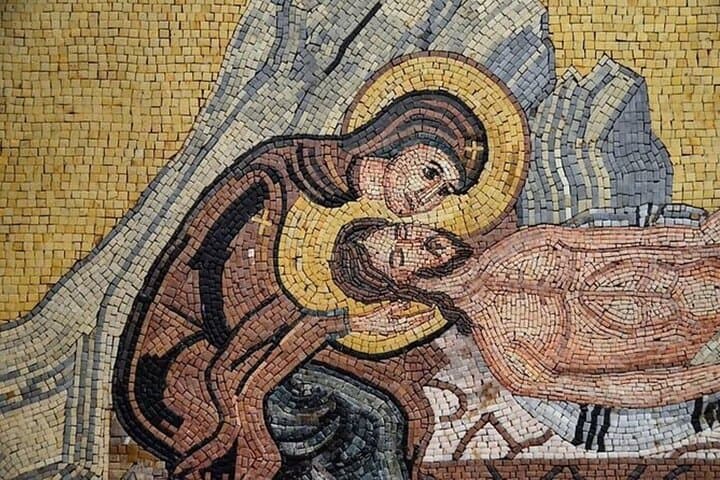
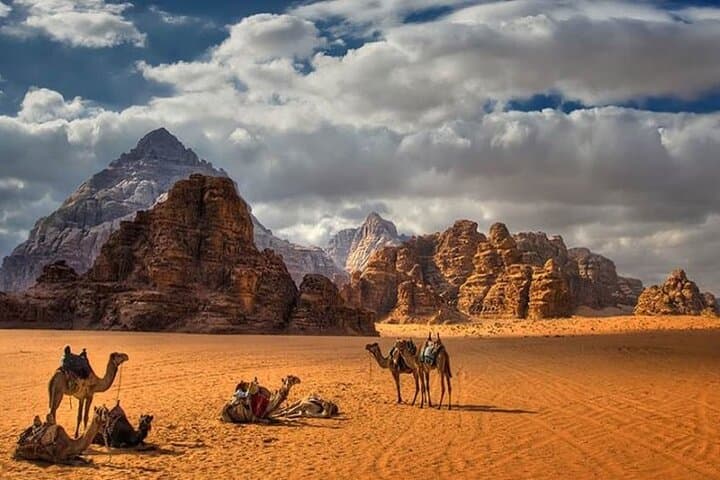
This three-day loop moves from Amman’s modern bustle to the Byzantine mosaics of Madaba, up to Mount Nebo’s wind-carved viewpoints, then south through Crusader ramparts at Shobak to Petra, where Nabataean engineering and trade-route savvy left monumental facades and water systems carved into the rock. Wadi Rum’s sandstone plates and wind-sculpted arches read like pages of geology: tilted layers, ancient fluvial deposits, and dunes that shift daily. The finale is the Dead Sea’s glassy, mineral-rich surface — a unique ecosystem at the planet’s lowest elevation.
Culture here is compact and direct: Bedouin hospitality in desert camps, Jordanian coffee rituals in market alleys, and communal meals like mansaf offering both flavor and context. Practicalities matter: buy the Jordan Pass beforehand to streamline entry to Petra, plan early starts to avoid midday heat, and factor in dusty jeep transfers through Wadi Rum.
Wear sturdy closed shoes for uneven steps and loose layers for hot days and cool nights. Bring a refillable water bottle and sunscreen; water is precious across the route. Expect light-to-moderate walking on uneven terrain, short paved stretches, and optional longer hikes to the Monastery. Book a local guide in Petra to unlock side-cavities and cliff-path viewpoints, and leave no trace — fragile desert soils and ancient masonry need careful footsteps.
moderate.
3 days.
Suitable for travelers who can walk 3–6 miles across uneven terrain and handle stairs and short hikes; not technically demanding.
Yes—buying the Jordan Pass online before travel covers visa charges (for many nationalities) and entry to Petra, saving time and money.
Main Petra routes to the Treasury are easy to moderate with some stairs; optional hikes like the Monastery require stronger fitness and steady footing.
You float rather than swim; avoid splashing, keep water away from eyes and open cuts, and rinse off at resort facilities afterward.
Many camps range from basic Bedouin-style tents to luxury domes; confirm amenities like bathrooms and heating when booking.
Petra was the Nabataeans’ trade hub from the 1st century BCE, shaped by caravan commerce and advanced water-catchment engineering; Crusader and Mamluk layers appear at hilltop castles like Shobak.
Tourism supports local communities but also stresses fragile desert soils and archaeological sites—stay on marked paths, avoid climbing facades, and use local services that follow sustainable practices.
R&H VIP Transportation Services operates guided outdoor trips and adventures with an emphasis on safety, stewardship, and memorable experiences.
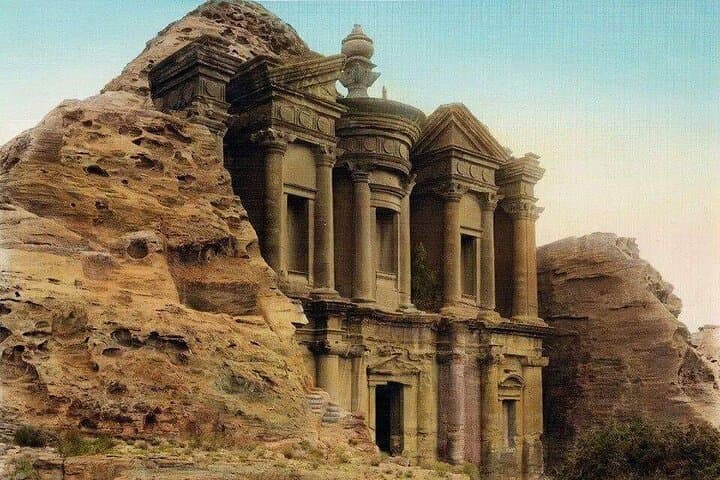
You step through the Siq before sunrise and the canyon narrows like a secret closing behind you. Light threads down between rose-colored walls until the Treasury erupts into view — a sudden, carved city suspended in sandstone.
You step through the Siq before sunrise and the canyon narrows like a secret closing behind you. Light threads down between rose-colored walls until the Treasury erupts into view — a sudden, carved city suspended in sandstone.
This three-day loop moves from Amman’s modern bustle to the Byzantine mosaics of Madaba, up to Mount Nebo’s wind-carved viewpoints, then south through Crusader ramparts at Shobak to Petra, where Nabataean engineering and trade-route savvy left monumental facades and water systems carved into the rock. Wadi Rum’s sandstone plates and wind-sculpted arches read like pages of geology: tilted layers, ancient fluvial deposits, and dunes that shift daily. The finale is the Dead Sea’s glassy, mineral-rich surface — a unique ecosystem at the planet’s lowest elevation.
Culture here is compact and direct: Bedouin hospitality in desert camps, Jordanian coffee rituals in market alleys, and communal meals like mansaf offering both flavor and context. Practicalities matter: buy the Jordan Pass beforehand to streamline entry to Petra, plan early starts to avoid midday heat, and factor in dusty jeep transfers through Wadi Rum.
Wear sturdy closed shoes for uneven steps and loose layers for hot days and cool nights. Bring a refillable water bottle and sunscreen; water is precious across the route. Expect light-to-moderate walking on uneven terrain, short paved stretches, and optional longer hikes to the Monastery. Book a local guide in Petra to unlock side-cavities and cliff-path viewpoints, and leave no trace — fragile desert soils and ancient masonry need careful footsteps.