THE ADVENTURE COLLECTIVE® · Independent discovery and booking for outdoor travel

A compact three-day circuit from Kingston that pairs Appleton Estate rum, a wildlife-rich Black River boat safari, and the dramatic cliffs and seven-mile beach of Negril. Expect boat crossings, village food stops, and long coastal drives with plenty of chances to swim and explore.
A compact three-day circuit from Kingston that pairs Appleton Estate rum, a wildlife-rich Black River boat safari, and the dramatic cliffs and seven-mile beach of Negril. Expect boat crossings, village food stops, and long coastal drives with plenty of chances to swim and explore.
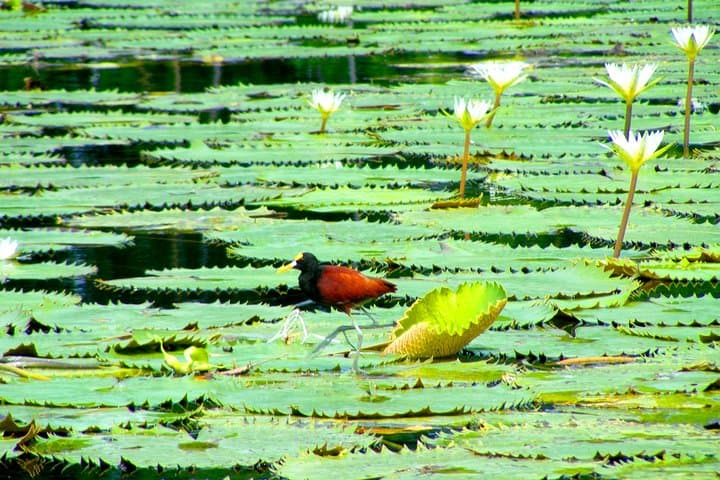
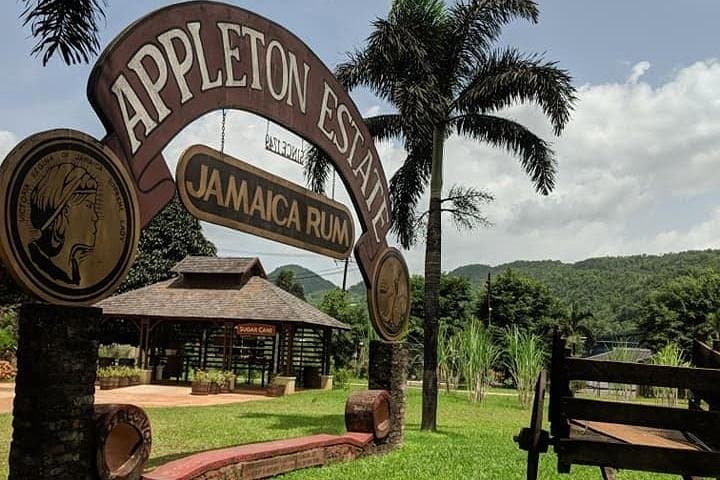
The bus pulls out of Kingston before dawn and the island unfolds: low limestone hills, fields of sugarcane bowing in the breeze, and the road unspooling toward Treasure Beach. By midday you’re standing at the Appleton Estate, where fermenting vats and white sugarcane fields explain a century of trade and taste. The Black River pushes through mangrove morass—muddy, vocal, and alive—where a small boat slips upstream and crocodiles lazily patrol the overhangs.
Verified experiences and guided adventures in the surrounding area.
Operated by DaVinci Jamaica Vacations · Kingston, Kingston
The bus pulls out of Kingston before dawn and the island unfolds: low limestone hills, fields of sugarcane bowing in the breeze, and the road unspooling toward Treasure Beach. By midday you’re standing at the Appleton Estate, where fermenting vats and white sugarcane fields explain a century of trade and taste. The Black River pushes through mangrove morass—muddy, vocal, and alive—where a small boat slips upstream and crocodiles lazily patrol the overhangs.
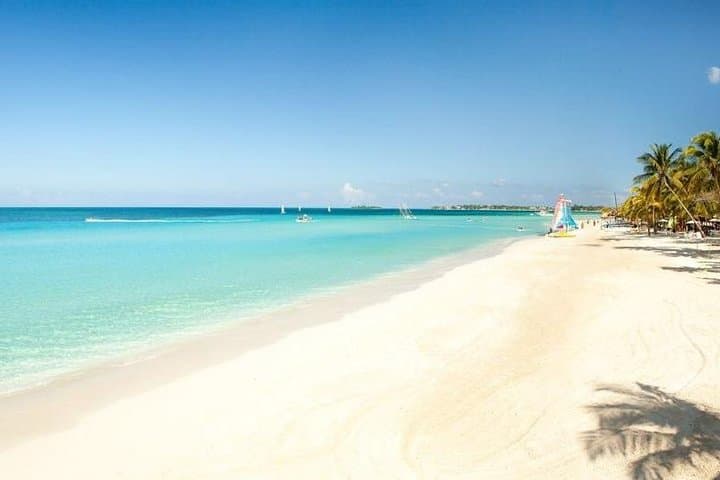
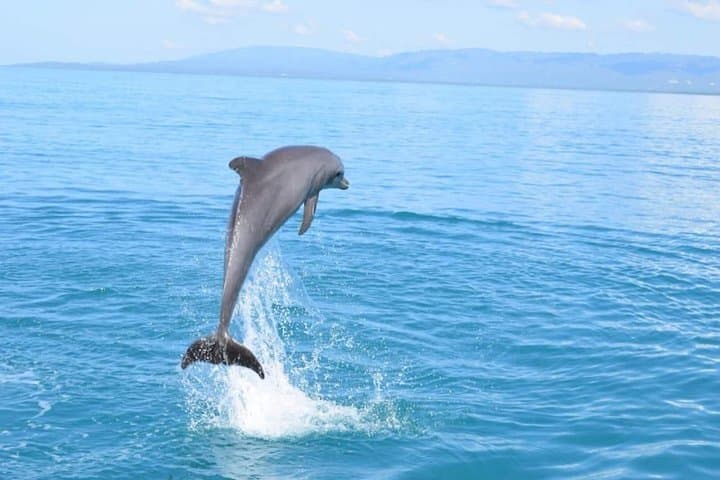
This route threads Jamaica’s layered history: colonial sugar economies, Maroon communities that resisted, and coastal villages whose livelihoods still depend on fishing and shrimping. Geology is obvious in Negril’s west end—flat Miocene limestone cliffs that drop into the Caribbean, offering dramatic sunsets at Rick’s Cafe and seven miles of sand stretching east. Pelican Bar, built on a sandbank offshore, is a local invention of wood and resilience; it’s also a place to watch dolphins carve arcs in the morning sea.
Practical guidance: the tour is a mix of short hikes, boat rides, and long transfers—expect several hours on the road. Carry your passport, cash for local purchases and tips, reef-safe sunscreen, and a quick-dry change of clothes for boat swims. Comfortable walking shoes with good grip are useful for docks and uneven village paths. Hot water can be intermittent in smaller guest houses; bring a light fleece for breezy evenings on the cliffs. Book optional activities (scuba, cliff jumps) locally if you want to upgrade time on the water. Hydrate between stops and plan for variable cell coverage outside larger towns.
easy.
3 days.
Suitable for travelers comfortable with several hours of travel, short walks, boarding small boats and occasional uneven terrain
Yes—the tour departs from Kingston with a designated meeting point and may offer hotel pickup depending on operator arrangements; confirm pickup details before travel.
Two breakfasts are included; other meals, snacks and optional excursions (dolphin interactions, scuba) are extra and typically paid locally.
Boat safaris are family-friendly but require supervision—children should wear life jackets provided and follow crew instructions near crocodile habitats.
Accommodations are double occupancy by default; single rooms can usually be arranged for an extra fee—contact the operator to request this before travel.
The south coast route moves through landscapes shaped by sugarcane plantations and Maroon resistance; Appleton Estate reflects Jamaica’s long rum-making legacy tied to colonial-era agriculture.
The Black River Morass and coastal reefs are sensitive—choose operators who use reef-safe products, avoid touching coral, and follow local guidelines to minimize disturbance.
DaVinci Jamaica Vacations operates guided outdoor trips and adventures with an emphasis on safety, stewardship, and memorable experiences.
The bus pulls out of Kingston before dawn and the island unfolds: low limestone hills, fields of sugarcane bowing in the breeze, and the road unspooling toward Treasure Beach. By midday you’re standing at the Appleton Estate, where fermenting vats and white sugarcane fields explain a century of trade and taste. The Black River pushes through mangrove morass—muddy, vocal, and alive—where a small boat slips upstream and crocodiles lazily patrol the overhangs.
The bus pulls out of Kingston before dawn and the island unfolds: low limestone hills, fields of sugarcane bowing in the breeze, and the road unspooling toward Treasure Beach. By midday you’re standing at the Appleton Estate, where fermenting vats and white sugarcane fields explain a century of trade and taste. The Black River pushes through mangrove morass—muddy, vocal, and alive—where a small boat slips upstream and crocodiles lazily patrol the overhangs.
This route threads Jamaica’s layered history: colonial sugar economies, Maroon communities that resisted, and coastal villages whose livelihoods still depend on fishing and shrimping. Geology is obvious in Negril’s west end—flat Miocene limestone cliffs that drop into the Caribbean, offering dramatic sunsets at Rick’s Cafe and seven miles of sand stretching east. Pelican Bar, built on a sandbank offshore, is a local invention of wood and resilience; it’s also a place to watch dolphins carve arcs in the morning sea.
Practical guidance: the tour is a mix of short hikes, boat rides, and long transfers—expect several hours on the road. Carry your passport, cash for local purchases and tips, reef-safe sunscreen, and a quick-dry change of clothes for boat swims. Comfortable walking shoes with good grip are useful for docks and uneven village paths. Hot water can be intermittent in smaller guest houses; bring a light fleece for breezy evenings on the cliffs. Book optional activities (scuba, cliff jumps) locally if you want to upgrade time on the water. Hydrate between stops and plan for variable cell coverage outside larger towns.