THE ADVENTURE COLLECTIVE® · Independent discovery and booking for outdoor travel

A compact three-day circuit from Palmas that pairs towering sand dunes with buoyant fervedouros and remote waterfalls. Expect dusty 4x4 roads, quilombola culture, and clear-water pools ideal for cooling off.
A compact three-day circuit from Palmas that pairs towering sand dunes with buoyant fervedouros and remote waterfalls. Expect dusty 4x4 roads, quilombola culture, and clear-water pools ideal for cooling off.
A wind-whipped crest of gold waits as the vehicle slows onto the track — the dunes of Jalapão rise like waves of sand, catching late-afternoon light. Over three days, travelers move from Palmas’ tidy streets into a landscape shaped by iron-rich soils, ochre rivers and isolated spring pools that refuse to mix with their surroundings: the fervedouros.
Verified experiences and guided adventures in the surrounding area.
Operated by Jalatoca Tour 4x4 · Palmas, Tocantins
A wind-whipped crest of gold waits as the vehicle slows onto the track — the dunes of Jalapão rise like waves of sand, catching late-afternoon light. Over three days, travelers move from Palmas’ tidy streets into a landscape shaped by iron-rich soils, ochre rivers and isolated spring pools that refuse to mix with their surroundings: the fervedouros.
Jalapão sits in Brazil’s cerrado, a savanna where quartz sand, laterite and seasonal rivers carve canyons and pockets of crystalline water. The region’s history mixes indigenous routes, quilombola (Afro-Brazilian) communities such as Mumbuca, and relatively recent conservation efforts that protect unique plateaus and waterfalls.
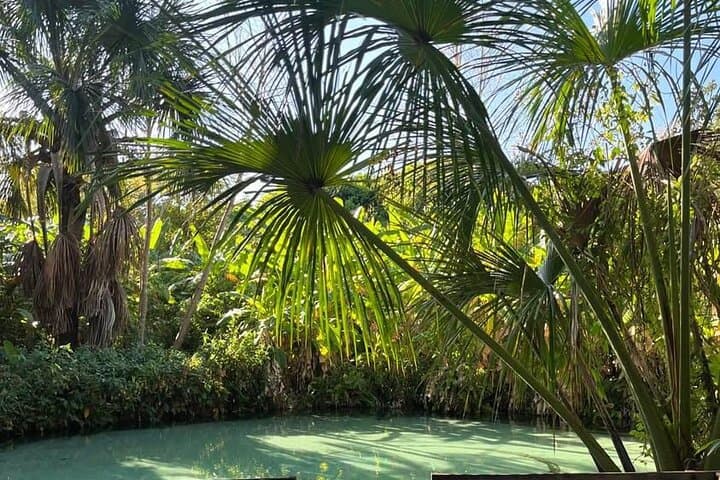
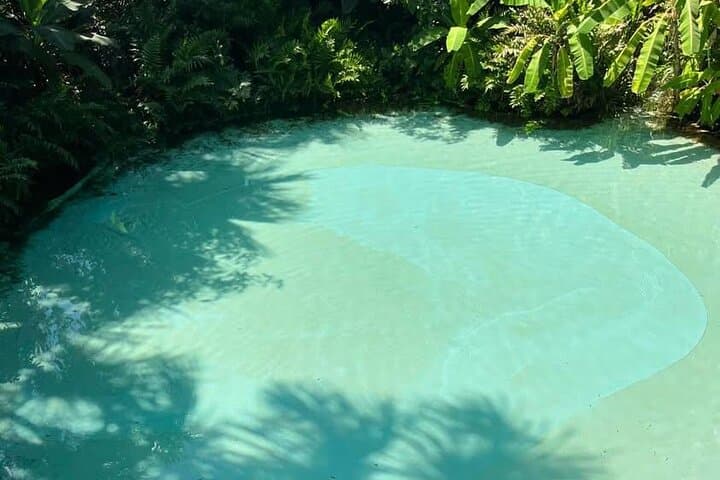
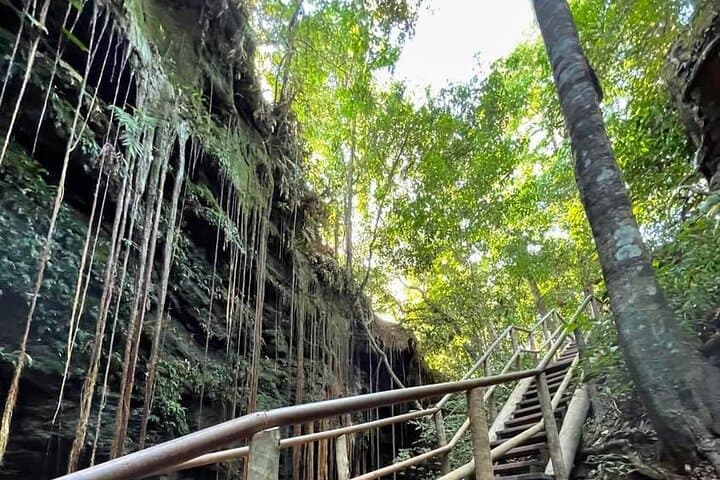
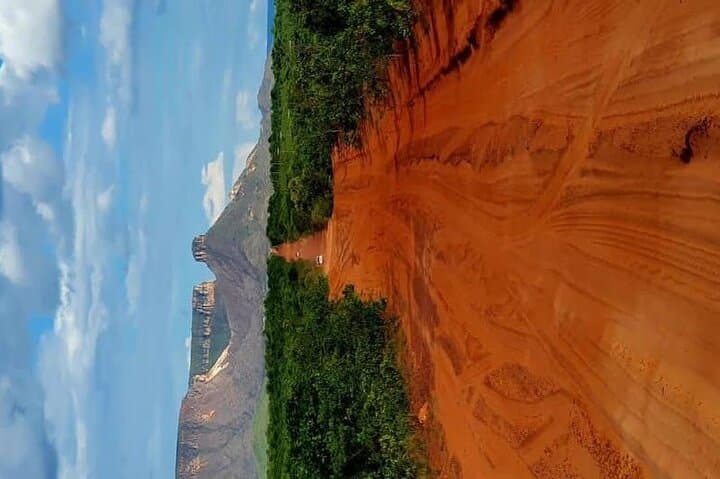
Expect long stretches on unpaved 4x4 roads, sudden bends to canyon overlooks like Sussuapara, and shallow river fords after rains. Fervedouros are buoyant springs with fine sand bottoms; standing in them feels like being gently lifted by the water. Serra da Catedral and Mateiros’ waterfalls offer cooler microclimates and photographic contrasts: red rocks, green scrub and white falling water.
Practically, pack for heat and sun by day, cooler nights, and dusty travel: breathable layers, sturdy footwear, and plenty of water. Timing matters — early mornings and late afternoons bring softer light and lower temperatures for dune climbs and photography. Respect local communities: ask before photographing people or craft demonstrations, and follow guides’ directions at springs and falls to minimize erosion. With moderate fitness and a sense of curiosity, this three-day circuit delivers stark landscapes, cultural encounters and hands-on access to one of Brazil’s most elemental wilds.
moderate.
3 days.
Moderate fitness—able to handle several hours of walking, dune climbs and vehicle transfers over bumpy roads.
Jalapão is reached by several hours of driving on unpaved roads from Palmas; most multi-day tours include transfers to and from the capital.
Fervedouros are artesian springs with strong upward flow that creates buoyancy; they are generally safe under guide supervision, but avoid diving and follow local rules to protect fragile bottoms.
This tour is not recommended for pregnant travelers or those with serious back or heart conditions; check provider policies for specific age limits and child-seat availability.
The dry season (roughly May–September) offers easier road conditions and clearer skies; the wet season brings lush scenery but can make some routes muddy or impassable.
The region has long been used by indigenous peoples and later by quilombola communities; Mumbuca is known for its Afro-Brazilian heritage and traditional handicrafts.
Jalapão faces pressure from tourism and off-road traffic; stick to marked paths, use local guides and support community-run services to reduce impact.
Jalatoca Tour 4x4 operates guided outdoor trips and adventures with an emphasis on safety, stewardship, and memorable experiences.
A wind-whipped crest of gold waits as the vehicle slows onto the track — the dunes of Jalapão rise like waves of sand, catching late-afternoon light. Over three days, travelers move from Palmas’ tidy streets into a landscape shaped by iron-rich soils, ochre rivers and isolated spring pools that refuse to mix with their surroundings: the fervedouros.
A wind-whipped crest of gold waits as the vehicle slows onto the track — the dunes of Jalapão rise like waves of sand, catching late-afternoon light. Over three days, travelers move from Palmas’ tidy streets into a landscape shaped by iron-rich soils, ochre rivers and isolated spring pools that refuse to mix with their surroundings: the fervedouros.
Jalapão sits in Brazil’s cerrado, a savanna where quartz sand, laterite and seasonal rivers carve canyons and pockets of crystalline water. The region’s history mixes indigenous routes, quilombola (Afro-Brazilian) communities such as Mumbuca, and relatively recent conservation efforts that protect unique plateaus and waterfalls.
Expect long stretches on unpaved 4x4 roads, sudden bends to canyon overlooks like Sussuapara, and shallow river fords after rains. Fervedouros are buoyant springs with fine sand bottoms; standing in them feels like being gently lifted by the water. Serra da Catedral and Mateiros’ waterfalls offer cooler microclimates and photographic contrasts: red rocks, green scrub and white falling water.
Practically, pack for heat and sun by day, cooler nights, and dusty travel: breathable layers, sturdy footwear, and plenty of water. Timing matters — early mornings and late afternoons bring softer light and lower temperatures for dune climbs and photography. Respect local communities: ask before photographing people or craft demonstrations, and follow guides’ directions at springs and falls to minimize erosion. With moderate fitness and a sense of curiosity, this three-day circuit delivers stark landscapes, cultural encounters and hands-on access to one of Brazil’s most elemental wilds.