THE ADVENTURE COLLECTIVE® · Independent discovery and booking for outdoor travel

A compact three-day journey from Glasgow that stitches together Loch Lomond, Glencoe, Glenfinnan Viaduct, a full day on the Isle of Skye, and a Loch Ness cruise. Perfect for travelers who want maximum Highland scenery with minimal logistics.
A compact three-day journey from Glasgow that stitches together Loch Lomond, Glencoe, Glenfinnan Viaduct, a full day on the Isle of Skye, and a Loch Ness cruise. Perfect for travelers who want maximum Highland scenery with minimal logistics.
The coach sighs out of Glasgow before dawn and the cityscape shrinks into a smear of brick and river. Within an hour the River Clyde gives way to open lochs and slate-rimmed hills; peat smoke and salt ride the windows. On this three-day loop, you move through landscape that feels designed to surprise: glassy loch reflections, wind-carved ridges, a steam-era viaduct that insists on stealing the show.
Verified experiences and guided adventures in the surrounding area.
Operated by Experience Scotland's Wild · Glasgow, Scotland
The coach sighs out of Glasgow before dawn and the cityscape shrinks into a smear of brick and river. Within an hour the River Clyde gives way to open lochs and slate-rimmed hills; peat smoke and salt ride the windows. On this three-day loop, you move through landscape that feels designed to surprise: glassy loch reflections, wind-carved ridges, a steam-era viaduct that insists on stealing the show.
Day one threads the Trossachs and Rannoch Moor—an expanse of bog and heather that preserves Scotland’s ice-scraped bones—before the tour pauses at Glenfinnan. Here the railway viaduct arcs across the valley, an elegant splice of Victorian engineering that now draws camera shutters and movie memories. A short hike brings a wider view; rain or shine the viaduct holds its drama.
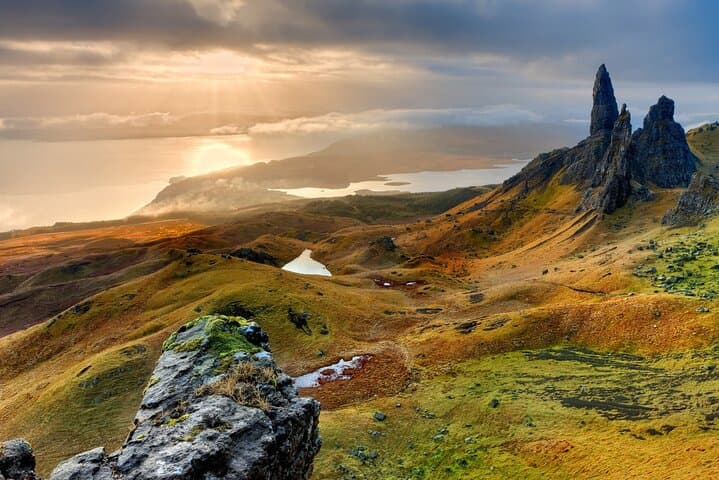
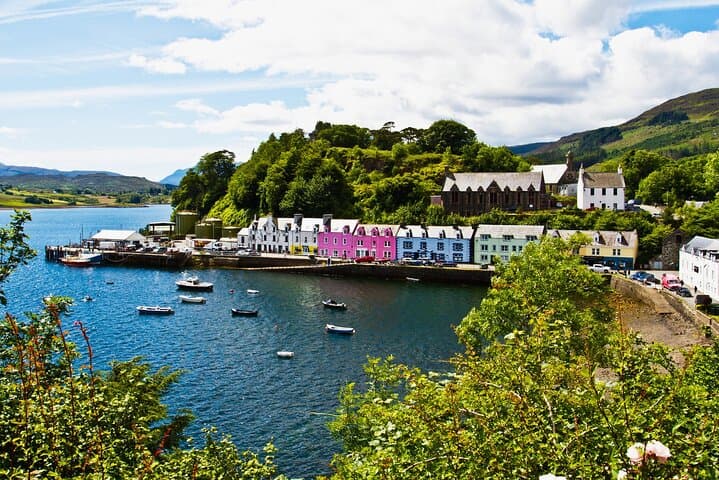
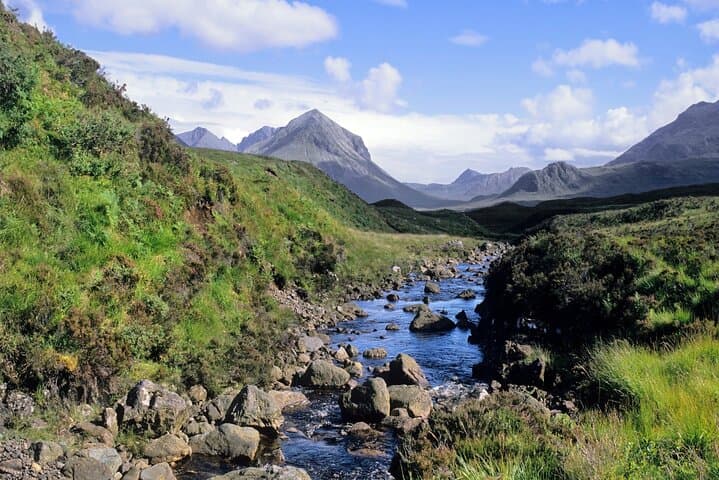
The Isle of Skye, on day two, reads like a geology primer: basalt columns at Kilt Rock, the jagged Trotternish Ridge where massive landslips left pinnacles such as the Old Man of Storr. Culture is close at hand—Portree’s pastel harbor, Dunvegan Castle’s clan stories and gardens, and ruined clifftop fortresses that tell of Norse raids and clan feuds.
On the final day the group visits Eilean Donan, the picture-postcard castle guarding a sea loch, then crosses through Cairngorms country with a finale: a cruise on Loch Ness. The search for Nessie is mostly good-natured myth-making, but the loch’s scale and depth impress on their own terms.
Practical edge: this is a small-group, coach-based tour with short guided walks—nothing technical, but expect long travel days and brisk coastal weather. Footwear with stout grip, a waterproof layer, and a daypack are non-negotiable. Ferry crossings and narrow, single-track roads on Skye mean luggage should be compact; bring motion-sickness remedies if you’re sensitive to winding roads.
Timing matters—sunlight is generous in summer but brief in winter, and midges become a credible nuisance in late spring and summer evenings; pack repellent. The tour is ideal for travelers who want concentrated exposure to Highland landscapes without the logistics of driving and ferries. Guides thread history and geology into the route: Jacobite lore at Glenfinnan, clan histories on Skye, and the Victorian romance that shaped Pitlochry.
If you go: stand at sunrise near the Old Man of Storr for dramatic silhouettes, leave the castle grounds early to avoid tour crowds, and allow quiet time on the loch cruise—sometimes the weather, not the monster, provides the best spectacle. The Highlands have weathered centuries of change; on this tour, they’ll ask you to slow down and look.
moderate.
3 days.
Good for travelers comfortable with full days on a coach plus several short to moderate walks (10–90 minutes).
Walks are generally short—20–90 minutes—designed to reach viewpoints like Glenfinnan Viaduct, boardwalks on Skye, and castle grounds; nothing requires technical hiking.
Yes; the tour lists accommodation options as part of the package so you’ll have overnight stays on Skye and other stops.
The tour operates in most weather; some short walks may be shortened for safety, and ferry schedules can affect timing.
The itinerary is family-friendly but includes long travel days and short hikes; it’s not recommended for travelers with significant mobility issues.
Travel within the UK requires a valid passport for international visitors; check visa requirements based on your nationality before booking.
Both are unpredictable—Aurora visibility depends on solar activity and clear, dark skies; Loch Ness cruises offer scenic views but not guaranteed monster sightings.
The route crosses lands marked by clan history, Norse influence on Skye, and Jacobite-era events—Glenfinnan and Eilean Donan hold particular historical weight.
Peatlands and coastal machair are sensitive—stick to paths to prevent erosion, and support local businesses to keep tourism benefits local.
Experience Scotland's Wild operates guided outdoor trips and adventures with an emphasis on safety, stewardship, and memorable experiences.
The coach sighs out of Glasgow before dawn and the cityscape shrinks into a smear of brick and river. Within an hour the River Clyde gives way to open lochs and slate-rimmed hills; peat smoke and salt ride the windows. On this three-day loop, you move through landscape that feels designed to surprise: glassy loch reflections, wind-carved ridges, a steam-era viaduct that insists on stealing the show.
The coach sighs out of Glasgow before dawn and the cityscape shrinks into a smear of brick and river. Within an hour the River Clyde gives way to open lochs and slate-rimmed hills; peat smoke and salt ride the windows. On this three-day loop, you move through landscape that feels designed to surprise: glassy loch reflections, wind-carved ridges, a steam-era viaduct that insists on stealing the show.
Day one threads the Trossachs and Rannoch Moor—an expanse of bog and heather that preserves Scotland’s ice-scraped bones—before the tour pauses at Glenfinnan. Here the railway viaduct arcs across the valley, an elegant splice of Victorian engineering that now draws camera shutters and movie memories. A short hike brings a wider view; rain or shine the viaduct holds its drama.
The Isle of Skye, on day two, reads like a geology primer: basalt columns at Kilt Rock, the jagged Trotternish Ridge where massive landslips left pinnacles such as the Old Man of Storr. Culture is close at hand—Portree’s pastel harbor, Dunvegan Castle’s clan stories and gardens, and ruined clifftop fortresses that tell of Norse raids and clan feuds.
On the final day the group visits Eilean Donan, the picture-postcard castle guarding a sea loch, then crosses through Cairngorms country with a finale: a cruise on Loch Ness. The search for Nessie is mostly good-natured myth-making, but the loch’s scale and depth impress on their own terms.
Practical edge: this is a small-group, coach-based tour with short guided walks—nothing technical, but expect long travel days and brisk coastal weather. Footwear with stout grip, a waterproof layer, and a daypack are non-negotiable. Ferry crossings and narrow, single-track roads on Skye mean luggage should be compact; bring motion-sickness remedies if you’re sensitive to winding roads.
Timing matters—sunlight is generous in summer but brief in winter, and midges become a credible nuisance in late spring and summer evenings; pack repellent. The tour is ideal for travelers who want concentrated exposure to Highland landscapes without the logistics of driving and ferries. Guides thread history and geology into the route: Jacobite lore at Glenfinnan, clan histories on Skye, and the Victorian romance that shaped Pitlochry.
If you go: stand at sunrise near the Old Man of Storr for dramatic silhouettes, leave the castle grounds early to avoid tour crowds, and allow quiet time on the loch cruise—sometimes the weather, not the monster, provides the best spectacle. The Highlands have weathered centuries of change; on this tour, they’ll ask you to slow down and look.