THE ADVENTURE COLLECTIVE® · Independent discovery and booking for outdoor travel

A concentrated, three-day voyage along the classic Inca Trail that finishes at Machu Picchu through the Sun Gate. Expect high passes, ancient ruins each day, tent camping, and strict permit rules—this is a challenging, high-altitude trek best suited to fit, prepared hikers.
A concentrated, three-day voyage along the classic Inca Trail that finishes at Machu Picchu through the Sun Gate. Expect high passes, ancient ruins each day, tent camping, and strict permit rules—this is a challenging, high-altitude trek best suited to fit, prepared hikers.
Dawn on the high Andean pass is thin and electric—breath visible, footsteps crunching over frost-stiffened grass as the path threads fingers of cloud between steep terraces. On day two the trail climbs toward its highest saddle near 4,200 m, where the wind seems to push you forward and the stonework of centuries-old steps keeps time like a steady heartbeat.
Verified experiences and guided adventures in the surrounding area.
Operated by Inca Trail Specialist · Cusco, Cusco Region
Dawn on the high Andean pass is thin and electric—breath visible, footsteps crunching over frost-stiffened grass as the path threads fingers of cloud between steep terraces. On day two the trail climbs toward its highest saddle near 4,200 m, where the wind seems to push you forward and the stonework of centuries-old steps keeps time like a steady heartbeat.
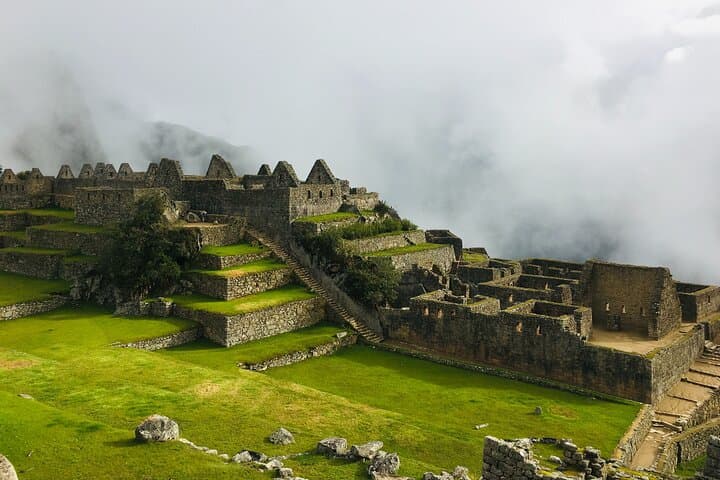
The Inca Trail follows sections of the imperial Qhapaq Ñan, linking ceremonial sites and mountain shrines that supported imperial logistics and pilgrimage. Geologically, the route cuts the eastern fringe of the high Andes, where glacially carved valleys give way to cloud forest and steep sandstone ridges. Culturally, the trek passes through a sequence of archaeological sites—Runkurakay, Sayacmarca, Phuyupatamarca—each offering different masonry styles and strategic viewpoints used by the Incas.
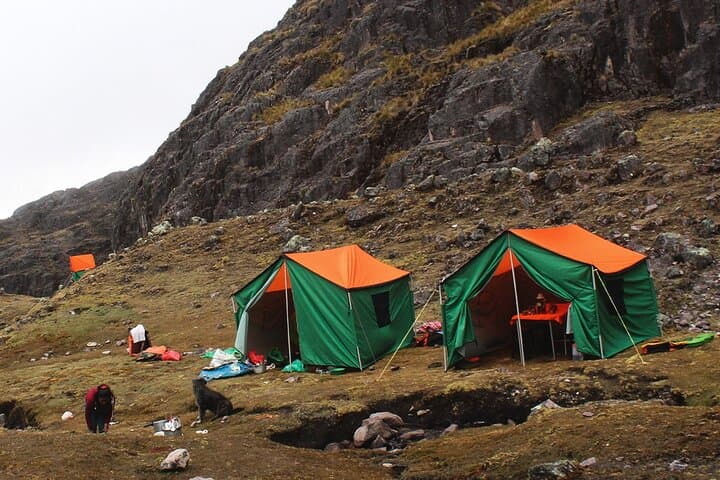
Practical guidance is simple and strict: permits are limited and must be booked in advance; porters carry equipment and each trekker is usually allowed a small personal bag (this tour includes a 7 kg porter allowance). Expect long days—6–9 hours on uneven, sometimes steep stone staircases—and variable weather from cold dawns to humid afternoons. Hydrate at altitude, layer for rapid temperature shifts, and protect feet with broken-in boots and good socks. Campsites are basic tents; meals are shared and designed for high-calorie recovery.
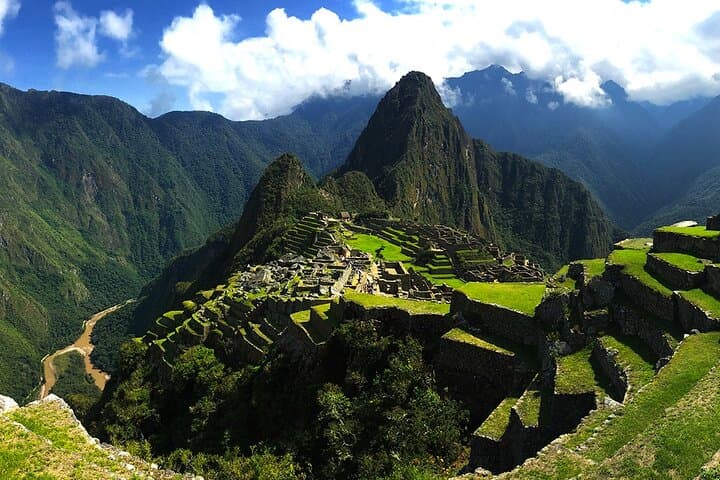
Arriving through the Sun Gate at sunrise, Machu Picchu unfolds as a quiet, organized ruin—reward after three days of concentration, altitude, and communal rhythm. Respect site rules, pack out waste, and consider extra acclimatization time in Cusco before departure to improve comfort and safety.
challenging.
3 days.
Requires strong cardiovascular fitness, experience with full days of hiking and the ability to ascend/descend steep stone steps at altitude.
It’s challenging: expect 6–9 hour hiking days, steep ascents to ~4,200 m, and uneven stone steps—good fitness and acclimatization are essential.
Yes. Inca Trail permits are required and limited; this tour includes the necessary trail and Machu Picchu tickets booked in advance.
Porters typically carry group gear and each trekker’s personal porter allowance (this trip includes a porter for ~7 kg/15 lb); valuables should stay with you.
Dry season (May–Sept) offers more stable trails and clearer views; shoulder months can be quieter but wetter—prepare for rain any time of year.
Sections of the route were part of the Inca royal road system connecting administrative and ceremonial centers; many ruins served as control points and tambos for travelers.
Visitor numbers are restricted and regulated—follow Leave No Trace practices, minimize single-use plastics, and support local porter welfare by tipping through recognized programs.
Inca Trail Specialist operates guided outdoor trips and adventures with an emphasis on safety, stewardship, and memorable experiences.

Dawn on the high Andean pass is thin and electric—breath visible, footsteps crunching over frost-stiffened grass as the path threads fingers of cloud between steep terraces. On day two the trail climbs toward its highest saddle near 4,200 m, where the wind seems to push you forward and the stonework of centuries-old steps keeps time like a steady heartbeat.
Dawn on the high Andean pass is thin and electric—breath visible, footsteps crunching over frost-stiffened grass as the path threads fingers of cloud between steep terraces. On day two the trail climbs toward its highest saddle near 4,200 m, where the wind seems to push you forward and the stonework of centuries-old steps keeps time like a steady heartbeat.
The Inca Trail follows sections of the imperial Qhapaq Ñan, linking ceremonial sites and mountain shrines that supported imperial logistics and pilgrimage. Geologically, the route cuts the eastern fringe of the high Andes, where glacially carved valleys give way to cloud forest and steep sandstone ridges. Culturally, the trek passes through a sequence of archaeological sites—Runkurakay, Sayacmarca, Phuyupatamarca—each offering different masonry styles and strategic viewpoints used by the Incas.
Practical guidance is simple and strict: permits are limited and must be booked in advance; porters carry equipment and each trekker is usually allowed a small personal bag (this tour includes a 7 kg porter allowance). Expect long days—6–9 hours on uneven, sometimes steep stone staircases—and variable weather from cold dawns to humid afternoons. Hydrate at altitude, layer for rapid temperature shifts, and protect feet with broken-in boots and good socks. Campsites are basic tents; meals are shared and designed for high-calorie recovery.
Arriving through the Sun Gate at sunrise, Machu Picchu unfolds as a quiet, organized ruin—reward after three days of concentration, altitude, and communal rhythm. Respect site rules, pack out waste, and consider extra acclimatization time in Cusco before departure to improve comfort and safety.