THE ADVENTURE COLLECTIVE® · Independent discovery and booking for outdoor travel

Swap the crowded Inca Trail for a high-energy three-day route of biking, rafting, zip-lining and hiking that finishes at Machu Picchu. This tour blends dirt-road descents, cloud-forest zip lines and a riverside walk to Aguas Calientes for a hands-on, active approach to the citadel.
Swap the crowded Inca Trail for a high-energy three-day route of biking, rafting, zip-lining and hiking that finishes at Machu Picchu. This tour blends dirt-road descents, cloud-forest zip lines and a riverside walk to Aguas Calientes for a hands-on, active approach to the citadel.
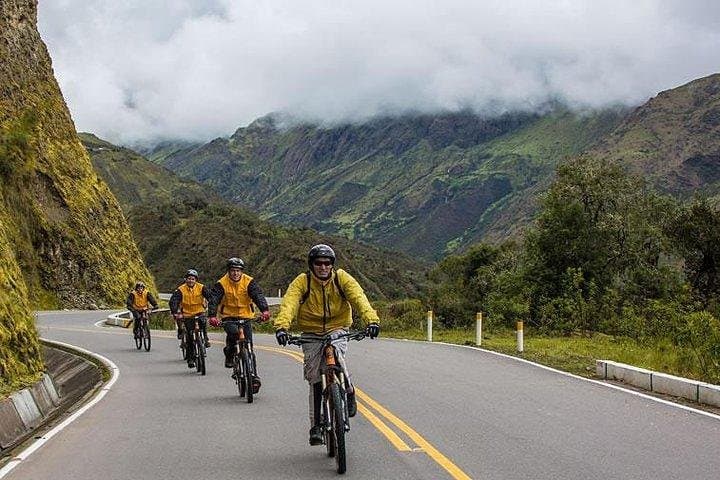
Dawn breaks over Abra Málaga and the air carries the sharper scent of high Andean grass; you clip into a mountain bike, tires crunch on volcanic gravel, and the valley below unfurls like a map of weathered terraces and coffee farms. Over three days you move through altitudes and ecosystems—high puna, cloud forest corridors and the humid gorge that leads to Aguas Calientes—each demanding a different pace and attention.
Verified experiences and guided adventures in the surrounding area.
Operated by Chullos Travel Peru · Cusco, Cusco
Dawn breaks over Abra Málaga and the air carries the sharper scent of high Andean grass; you clip into a mountain bike, tires crunch on volcanic gravel, and the valley below unfurls like a map of weathered terraces and coffee farms. Over three days you move through altitudes and ecosystems—high puna, cloud forest corridors and the humid gorge that leads to Aguas Calientes—each demanding a different pace and attention.
The route is a modern detour around the classic Inca Trail: built for travelers seeking adrenaline without the permit squeeze. The landscape records Andean geology—folded volcanic ridges giving way to river-cut canyons—and human layers from small Inca sites like Huamanmarca to Spanish colonial-era mountain roads. Local culture is present in roadside markets, farmers tending maize and eucalyptus groves, and the steady hospitality of family run hostales in Santa María and Santa Teresa.
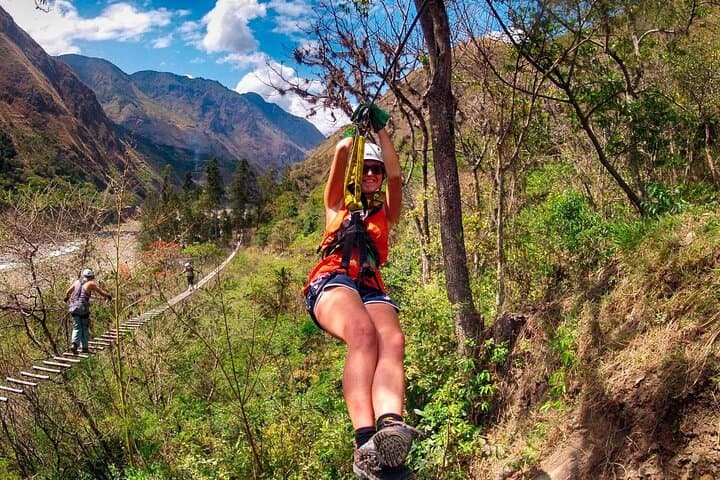
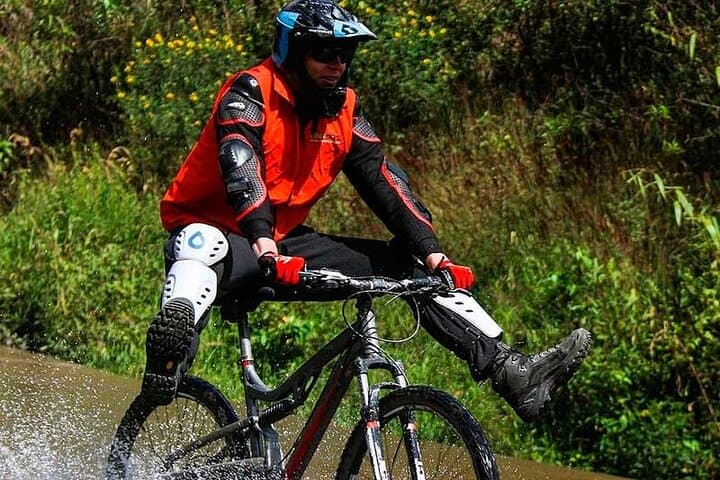
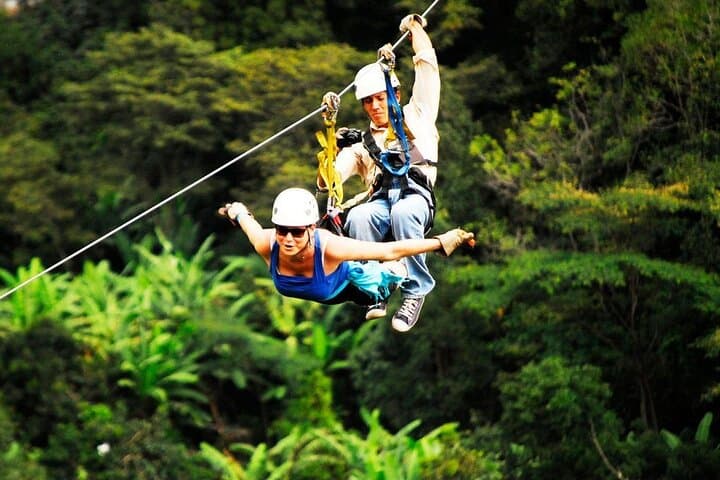
Expect active days: downhill and singletrack on dirt roads, class II–III rafting on the Urubamba tributaries, zip lines suspended over regenerating forest, and a final 2–3 hour hike from Hidroeléctrica to Aguas Calientes before the early approach to Machu Picchu.
Practical guidance: hydrate at altitude and pace exertion on the first day to limit headache risk. Bring layered clothing for wet-to-dry microclimates, a light rain shell, and a small daypack for essentials. Footwear should handle slick stone and muddy trails. Guided logistics include transport from Cusco, two nights in hostal, train from Aguas Calientes to Ollantaytambo, and Machu Picchu entrance—so confirm train times and passport details ahead of travel.
moderate.
3 days.
Moderately fit—able to bike for several hours, hike uphill on uneven terrain, and paddle during rafting segments.
Basic mountain biking experience is recommended—comfortable shifting, braking and handling descending gravel; guides adjust pace for groups.
Yes—rafts run class II–III sections with guides and safety briefings; communicate medical issues beforehand.
Yes—entrance to Machu Picchu and a guided tour are included, but you must present the passport used at booking.
Expect a pre-dawn walk to the Puente Ruinas control point, stairs up to the citadel, a ~2.5-hour guided tour and optional extra exploration time afterward.
This route follows modern roads and Inca-era paths used for local travel; it offers alternate access to Machu Picchu developed as an adventure-focused route to relieve pressure on the classic Inca Trail.
Operators typically encourage ‘leave no trace’ practices; travelers should stick to marked trails, avoid single-use plastics, and respect local communities to limit impact.
Chullos Travel Peru operates guided outdoor trips and adventures with an emphasis on safety, stewardship, and memorable experiences.
Dawn breaks over Abra Málaga and the air carries the sharper scent of high Andean grass; you clip into a mountain bike, tires crunch on volcanic gravel, and the valley below unfurls like a map of weathered terraces and coffee farms. Over three days you move through altitudes and ecosystems—high puna, cloud forest corridors and the humid gorge that leads to Aguas Calientes—each demanding a different pace and attention.
Dawn breaks over Abra Málaga and the air carries the sharper scent of high Andean grass; you clip into a mountain bike, tires crunch on volcanic gravel, and the valley below unfurls like a map of weathered terraces and coffee farms. Over three days you move through altitudes and ecosystems—high puna, cloud forest corridors and the humid gorge that leads to Aguas Calientes—each demanding a different pace and attention.
The route is a modern detour around the classic Inca Trail: built for travelers seeking adrenaline without the permit squeeze. The landscape records Andean geology—folded volcanic ridges giving way to river-cut canyons—and human layers from small Inca sites like Huamanmarca to Spanish colonial-era mountain roads. Local culture is present in roadside markets, farmers tending maize and eucalyptus groves, and the steady hospitality of family run hostales in Santa María and Santa Teresa.
Expect active days: downhill and singletrack on dirt roads, class II–III rafting on the Urubamba tributaries, zip lines suspended over regenerating forest, and a final 2–3 hour hike from Hidroeléctrica to Aguas Calientes before the early approach to Machu Picchu.
Practical guidance: hydrate at altitude and pace exertion on the first day to limit headache risk. Bring layered clothing for wet-to-dry microclimates, a light rain shell, and a small daypack for essentials. Footwear should handle slick stone and muddy trails. Guided logistics include transport from Cusco, two nights in hostal, train from Aguas Calientes to Ollantaytambo, and Machu Picchu entrance—so confirm train times and passport details ahead of travel.