THE ADVENTURE COLLECTIVE® · Independent discovery and booking for outdoor travel

Three days of Morocco’s imperial centers and mountain-blue alleys: panoramic Casablanca, Roman Volubilis, the labyrinthine medina of Fez and the Rif slopes above Chefchaouen. Expect historic sites, artisan quarters and a short mountain hike with sweeping views.
Three days of Morocco’s imperial centers and mountain-blue alleys: panoramic Casablanca, Roman Volubilis, the labyrinthine medina of Fez and the Rif slopes above Chefchaouen. Expect historic sites, artisan quarters and a short mountain hike with sweeping views.
You step out into Casablanca’s broad esplanade where the Atlantic wind pushes against the city’s Art Deco façades and the Hassan II Mosque’s minaret slices the sky. By late morning the road folds inland; plains give way to the ochre stone and olive groves around Meknes and the rumpled green of the Rif as the driver threads toward the mountains.
Verified experiences and guided adventures in the surrounding area.
Operated by Fez Excursions · Casablanca, Casablanca-Settat
You step out into Casablanca’s broad esplanade where the Atlantic wind pushes against the city’s Art Deco façades and the Hassan II Mosque’s minaret slices the sky. By late morning the road folds inland; plains give way to the ochre stone and olive groves around Meknes and the rumpled green of the Rif as the driver threads toward the mountains.
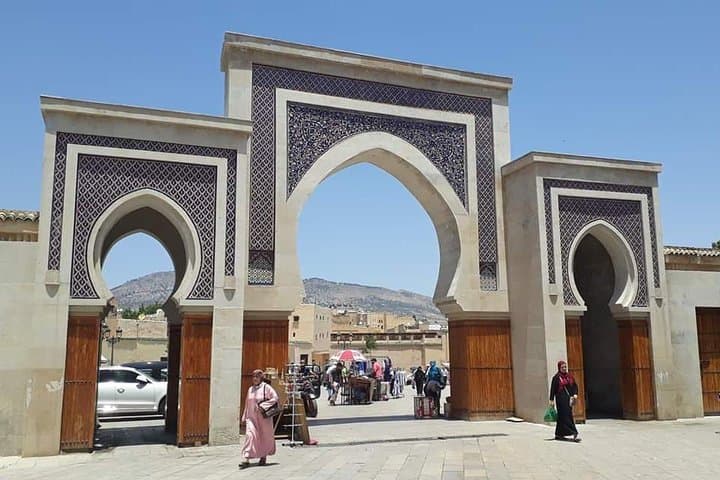
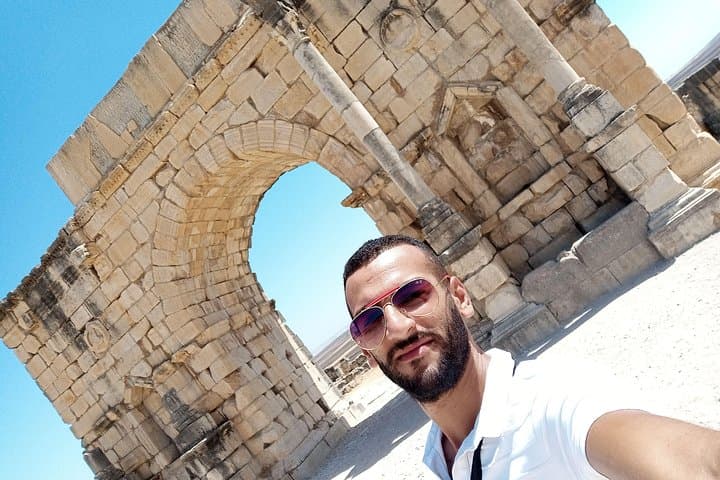
This three-day route stitches Morocco’s imperial and rural histories: Casablanca’s modern commercial pulse, Rabat’s Almohad monuments and royal gates, Meknes’ fortified walls and the Roman footprints at Volubilis. Fez holds the largest medieval medina in the Arab world — alleys packed with medrassas, artisan workshops and the famed tanneries — while Chefchaouen’s blue-washed lanes sit under the Rif, where folded limestone and ancient river valleys shape the view.
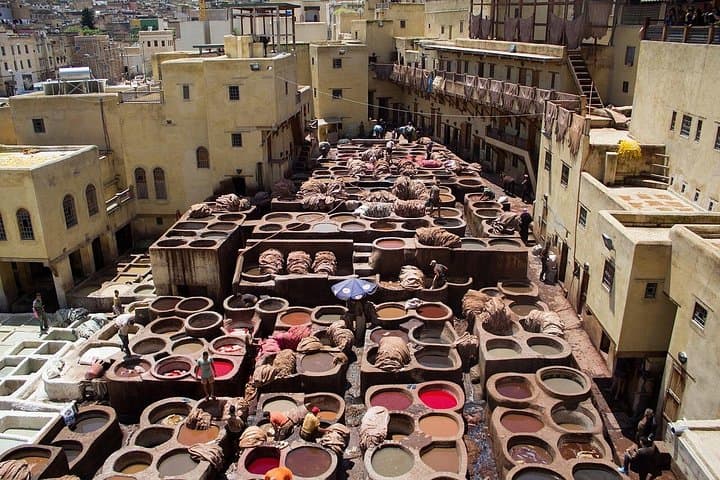
Expect a mix of short urban walks and a 30-minute hill hike above Chefchaouen to the Spanish Mosque lookout. The medina tour in Fez is predominantly pedestrian and involves uneven stone, narrow stairways and crowded souks; the tanneries are visually striking but strong-smelling. Cultural rhythm matters here: prayer times thin midday activity, markets peak in the morning and late afternoon.
Practical guidance: travel light with a daypack, bring cash (smaller dirham notes) for souks and tips, wear sturdy shoes with good grip, and layer for temperature swings between coast, plains and mountain passes. Hydrate frequently—Morocco’s inland sun can be intense—and allow time for slow bargaining and unexpected side streets; those are often where the best finds wait.
moderate.
3 days (72 hours).
Suitable for travelers in good general health; involves several hours of walking on uneven ground and a short uphill hike of ~30 minutes.
Yes; the private tour is organized from Casablanca with private transportation and driver included as part of the itinerary.
The listing specifies guided visits and transport; check the booking details for which specific monuments or museum admissions are included, as some sites require separate tickets.
While transport and many viewpoints are accessible, the medina walking in Fez and the narrow lanes of Chefchaouen involve uneven surfaces and stairs, so it may be challenging for those with limited mobility.
Bring a mix of small-denomination dirhams for local purchases and tipping; having the equivalent of €50–€100 in small notes per person is a reasonable starting point depending on shopping plans.
The route links Morocco’s imperial centers—Rabat, Meknes and Fez—spanning Almohad and Marinid dynastic architecture and the nearby Roman ruins at Volubilis, which mark the region’s classical past.
The medinas are fragile historic environments; stick to marked paths, avoid single-use plastics, and support local artisans to keep traditional crafts viable.
Fez Excursions operates guided outdoor trips and adventures with an emphasis on safety, stewardship, and memorable experiences.
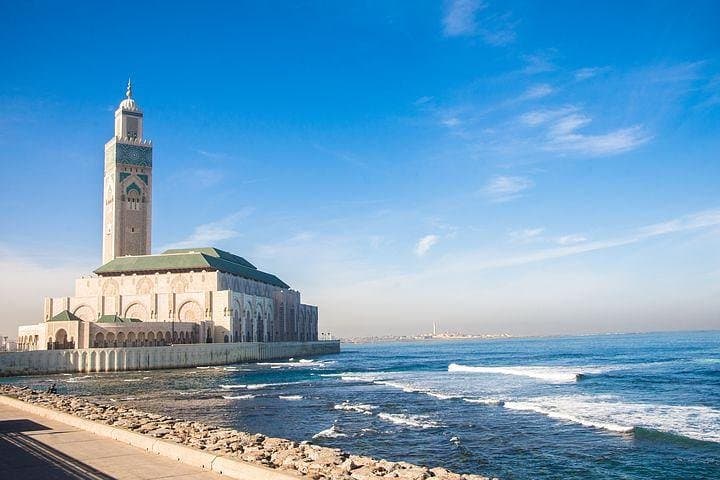
You step out into Casablanca’s broad esplanade where the Atlantic wind pushes against the city’s Art Deco façades and the Hassan II Mosque’s minaret slices the sky. By late morning the road folds inland; plains give way to the ochre stone and olive groves around Meknes and the rumpled green of the Rif as the driver threads toward the mountains.
You step out into Casablanca’s broad esplanade where the Atlantic wind pushes against the city’s Art Deco façades and the Hassan II Mosque’s minaret slices the sky. By late morning the road folds inland; plains give way to the ochre stone and olive groves around Meknes and the rumpled green of the Rif as the driver threads toward the mountains.
This three-day route stitches Morocco’s imperial and rural histories: Casablanca’s modern commercial pulse, Rabat’s Almohad monuments and royal gates, Meknes’ fortified walls and the Roman footprints at Volubilis. Fez holds the largest medieval medina in the Arab world — alleys packed with medrassas, artisan workshops and the famed tanneries — while Chefchaouen’s blue-washed lanes sit under the Rif, where folded limestone and ancient river valleys shape the view.
Expect a mix of short urban walks and a 30-minute hill hike above Chefchaouen to the Spanish Mosque lookout. The medina tour in Fez is predominantly pedestrian and involves uneven stone, narrow stairways and crowded souks; the tanneries are visually striking but strong-smelling. Cultural rhythm matters here: prayer times thin midday activity, markets peak in the morning and late afternoon.
Practical guidance: travel light with a daypack, bring cash (smaller dirham notes) for souks and tips, wear sturdy shoes with good grip, and layer for temperature swings between coast, plains and mountain passes. Hydrate frequently—Morocco’s inland sun can be intense—and allow time for slow bargaining and unexpected side streets; those are often where the best finds wait.