THE ADVENTURE COLLECTIVE® · Independent discovery and booking for outdoor travel

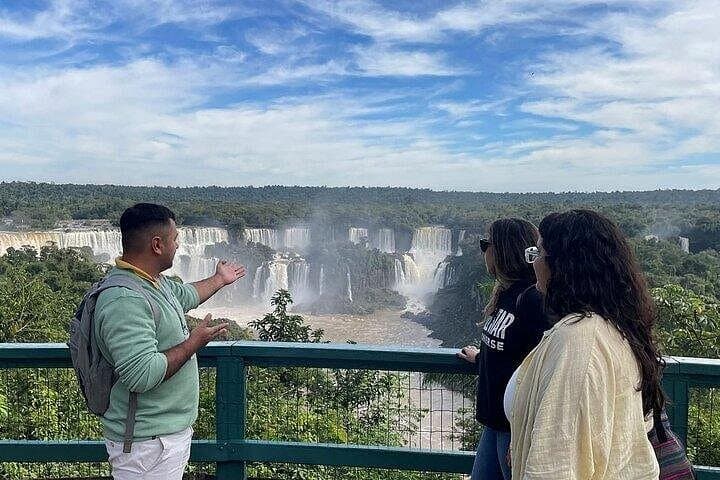
A quick air hop from Buenos Aires puts you within earshot of one of South America’s great waterfalls. This three-day tour combines Argentina’s intimate boardwalks with Brazil’s sweeping viewpoints for full-system views of Iguazu.
A quick air hop from Buenos Aires puts you within earshot of one of South America’s great waterfalls. This three-day tour combines Argentina’s intimate boardwalks with Brazil’s sweeping viewpoints for full-system views of Iguazu.
You step off the short flight into humid air and hear it before you see it: a persistent roar that the forest echoes back, as if the river is daring you closer.
Verified experiences and guided adventures in the surrounding area.
Operated by Tangol · Puerto Iguazú, Misiones
You step off the short flight into humid air and hear it before you see it: a persistent roar that the forest echoes back, as if the river is daring you closer.
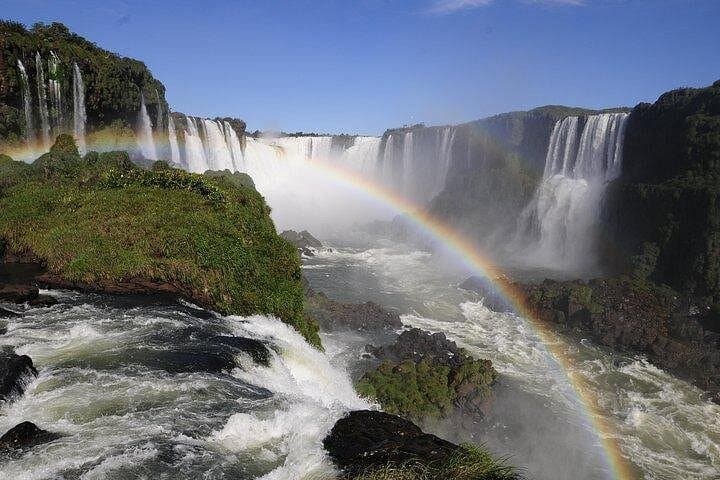
Over three days based in Puerto Iguazú, this itinerary puts you on both sides of Iguazu—Argentina’s intimate boardwalks and Brazil’s wide panoramas—so you experience the system that spills across an international border. Geologically the falls sit where basalt flows fractured, forcing the Iguazú River into a jagged line of cataracts; Devil’s Throat is the largest of more than 200 drops and throws spray like a moving wall.
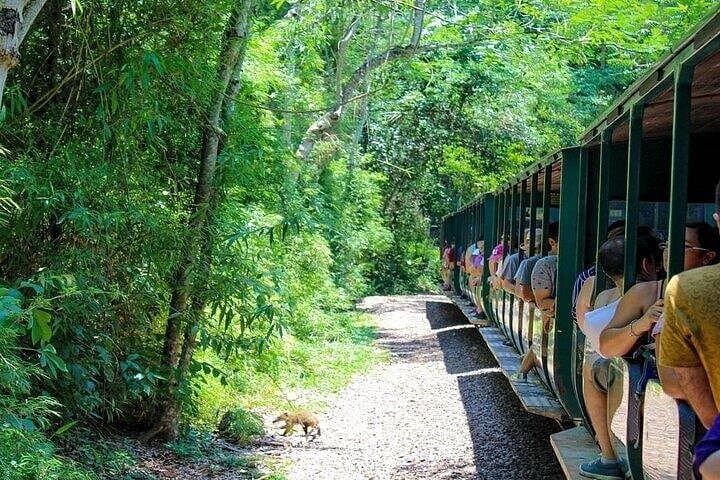
The area is also Guaraní country; the name Iguazu comes from Guaraní for “big water,” and local communities have long ties to the river and forest. Wildlife is lively: coatis prowl parking areas and toucans flash in canopy gaps.
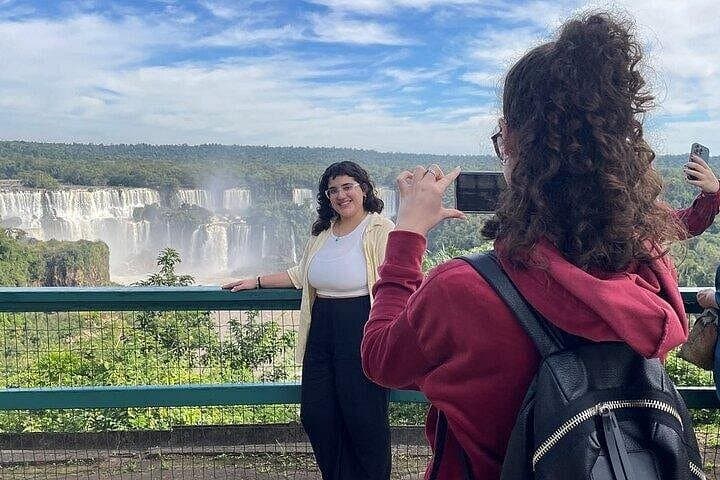
Practical guidance: days two and three are park-focused—boardwalk trains, short paved trails and stair-stepped viewpoints—so good walking shoes and a lightweight rain shell are essential. Expect heavy spray at closer overlooks; cameras need quick-dry cases. Bring your passport for optional crossings, and plan early starts to avoid busier midday hours.
Tours include round-trip flights from Buenos Aires, two breakfasts and hotel nights in Puerto Iguazú, with guided transfers to both national parks. If you want sweeping, photogenic panoramas and close-up, thunderous encounters with the falls, this three-day loop delivers a balanced mix of spectacle and accessible hiking.
easy.
3 days.
Suitable for travelers in average fitness who can walk 1–3 miles on paved or boardwalk surfaces and manage stairs.
Yes—entering the Brazilian park requires crossing the international border; passport and any required visas should be valid for travel.
Park admissions are generally not included in the standard tour price; confirm at booking whether entrance fees are covered.
Many viewpoints are wheelchair-accessible on the Brazilian side, but some Argentine boardwalks have stairs; check accessibility details with the operator in advance.
Flows are high during the rainy season (roughly November–March) for dramatic water volume, while drier months offer clearer views and slightly cooler conditions.
Spanish explorer Álvar Núñez Cabeza de Vaca recorded the falls in the 16th century; the Guaraní name 'Yguazú' means 'big water.'
Both parks are UNESCO-protected with strict boardwalk routes to limit erosion and habitat disturbance—stay on marked trails and avoid feeding wildlife.
Tangol operates guided outdoor trips and adventures with an emphasis on safety, stewardship, and memorable experiences.
You step off the short flight into humid air and hear it before you see it: a persistent roar that the forest echoes back, as if the river is daring you closer.
You step off the short flight into humid air and hear it before you see it: a persistent roar that the forest echoes back, as if the river is daring you closer.
Over three days based in Puerto Iguazú, this itinerary puts you on both sides of Iguazu—Argentina’s intimate boardwalks and Brazil’s wide panoramas—so you experience the system that spills across an international border. Geologically the falls sit where basalt flows fractured, forcing the Iguazú River into a jagged line of cataracts; Devil’s Throat is the largest of more than 200 drops and throws spray like a moving wall.
The area is also Guaraní country; the name Iguazu comes from Guaraní for “big water,” and local communities have long ties to the river and forest. Wildlife is lively: coatis prowl parking areas and toucans flash in canopy gaps.
Practical guidance: days two and three are park-focused—boardwalk trains, short paved trails and stair-stepped viewpoints—so good walking shoes and a lightweight rain shell are essential. Expect heavy spray at closer overlooks; cameras need quick-dry cases. Bring your passport for optional crossings, and plan early starts to avoid busier midday hours.
Tours include round-trip flights from Buenos Aires, two breakfasts and hotel nights in Puerto Iguazú, with guided transfers to both national parks. If you want sweeping, photogenic panoramas and close-up, thunderous encounters with the falls, this three-day loop delivers a balanced mix of spectacle and accessible hiking.