THE ADVENTURE COLLECTIVE® · Independent discovery and booking for outdoor travel

Drive the Karakoram Highway into Hunza for three days of sharp peaks, blue lake waters, and heritage forts. Short walks, a boat ride on Attabad Lake, and guided village visits make this a compact introduction to Pakistan’s northern highlands.
Drive the Karakoram Highway into Hunza for three days of sharp peaks, blue lake waters, and heritage forts. Short walks, a boat ride on Attabad Lake, and guided village visits make this a compact introduction to Pakistan’s northern highlands.
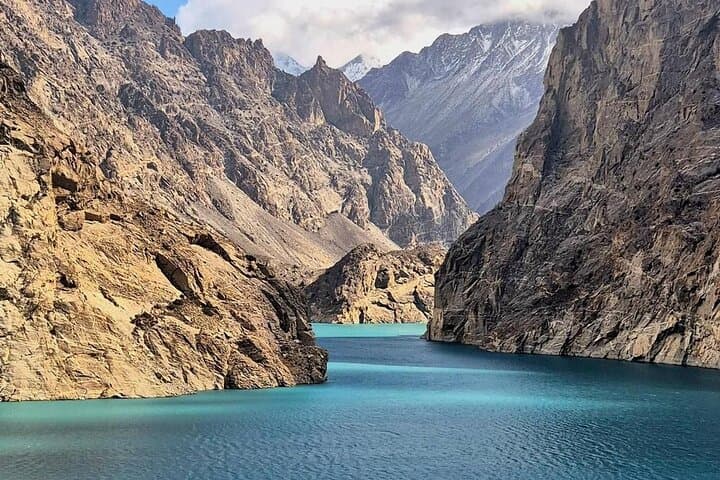
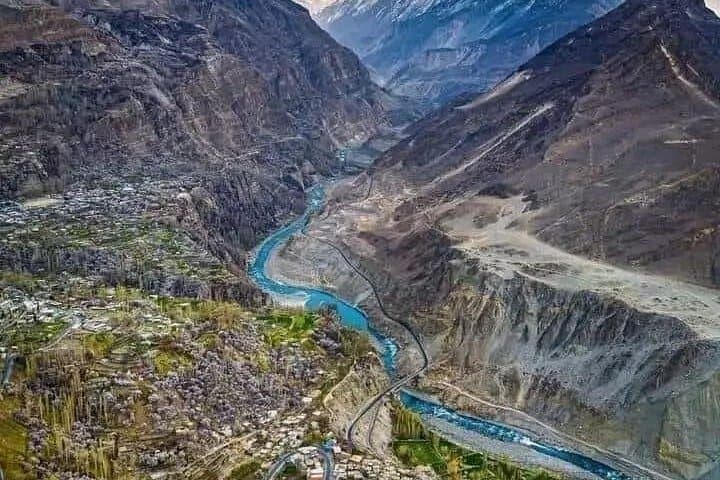
Morning light fractures over razor-edged peaks as the convoy eases onto the Karakoram Highway—granite faces and river canyons daring you forward. Over three days, travelers move from highplateau panoramas to the glass-blue calm of Attabad Lake, guided through village lanes and the terraces of Baltit and Altit Forts.
Verified experiences and guided adventures in the surrounding area.
Operated by Kazakhstan Namaste · Karimabad, Gilgit-Baltistan
Morning light fractures over razor-edged peaks as the convoy eases onto the Karakoram Highway—granite faces and river canyons daring you forward. Over three days, travelers move from highplateau panoramas to the glass-blue calm of Attabad Lake, guided through village lanes and the terraces of Baltit and Altit Forts.
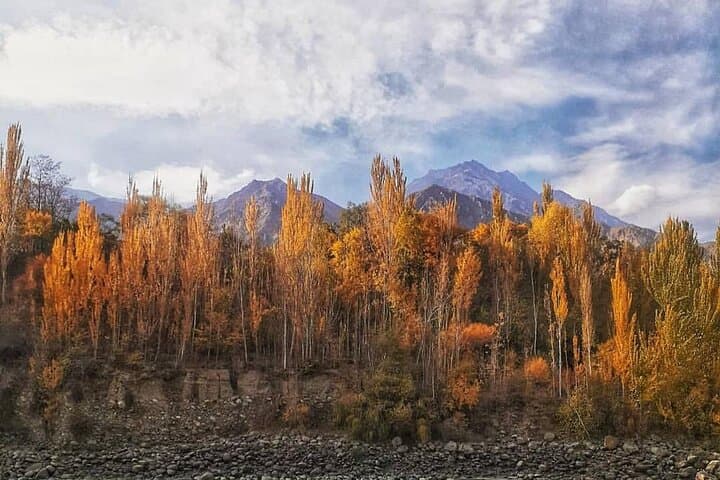
Hunza sits where Silk Road history meets active geology: glacially carved valleys, ancient irrigation channels (karez), and the 2010 Attabad landslide that reshaped the Hunza landscape and created the lake visitors now boat across. Local culture is visible in stone houses, apricot orchards, and a cuisine built on barley, meat, and walnuts; Balti and Wakhi traditions remain tangible in hospitality and handicrafts.
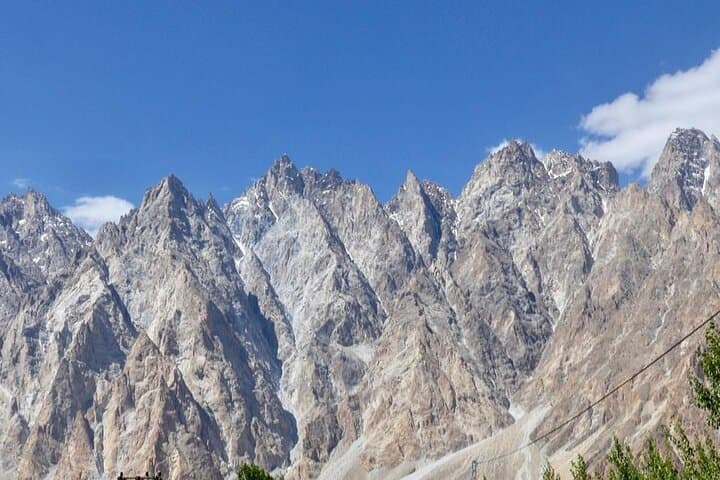
Expect short guided walks, scenic stops—Passu Cones’ jagged profile and the viewpoint at Duikar—and a boat ride through Attabad’s cobalt waters. Elevations climb and fall but routes are primarily by vehicle with gentle walking; high-altitude weather changes fast, so layers are a must. Guides handle permits and navigation; travelers should pace themselves for 3 days of sightseeing and light hiking.
Practical notes: travel from Lahore is long; acclimatize in Gilgit or go slowly on arrival. Bring sunscreen and warm layers, carry refillable water, and prepare for dusty roads. Respect local dress and ask before photographing people. With attentive packing and a flexible schedule, this compact itinerary delivers mountain peaks, living history, and a close-up look at the fragile glacial systems that shape northern Pakistan.
easy.
3 days.
Suitable for travelers in average fitness; involves short walks and vehicle transfers rather than technical hiking.
Domestic travelers usually do not need special permits for Hunza Valley; your tour operator handles local entry fees and vehicle paperwork.
Hunza’s inhabited valleys sit around 2,400–3,000 m; mild symptoms can occur—ascend gradually, hydrate, and avoid heavy exertion on day one.
Late spring through early autumn (May–October) offers the most stable weather and open roads; winters bring heavy snow and limited access.
Direct road travel from Lahore is long (well over 24 hours); many tours include flights to Gilgit or start regionally to reduce transit time.
Hunza sits along historic Silk Road corridors; Baltit and Altit Forts reflect centuries of regional trade and local khanate heritage.
The 2010 Attabad landslide altered local hydrology—tourism supports local economies but visitors should minimize waste and avoid disturbing fragile alpine vegetation.
Kazakhstan Namaste operates guided outdoor trips and adventures with an emphasis on safety, stewardship, and memorable experiences.
Morning light fractures over razor-edged peaks as the convoy eases onto the Karakoram Highway—granite faces and river canyons daring you forward. Over three days, travelers move from highplateau panoramas to the glass-blue calm of Attabad Lake, guided through village lanes and the terraces of Baltit and Altit Forts.
Morning light fractures over razor-edged peaks as the convoy eases onto the Karakoram Highway—granite faces and river canyons daring you forward. Over three days, travelers move from highplateau panoramas to the glass-blue calm of Attabad Lake, guided through village lanes and the terraces of Baltit and Altit Forts.
Hunza sits where Silk Road history meets active geology: glacially carved valleys, ancient irrigation channels (karez), and the 2010 Attabad landslide that reshaped the Hunza landscape and created the lake visitors now boat across. Local culture is visible in stone houses, apricot orchards, and a cuisine built on barley, meat, and walnuts; Balti and Wakhi traditions remain tangible in hospitality and handicrafts.
Expect short guided walks, scenic stops—Passu Cones’ jagged profile and the viewpoint at Duikar—and a boat ride through Attabad’s cobalt waters. Elevations climb and fall but routes are primarily by vehicle with gentle walking; high-altitude weather changes fast, so layers are a must. Guides handle permits and navigation; travelers should pace themselves for 3 days of sightseeing and light hiking.
Practical notes: travel from Lahore is long; acclimatize in Gilgit or go slowly on arrival. Bring sunscreen and warm layers, carry refillable water, and prepare for dusty roads. Respect local dress and ask before photographing people. With attentive packing and a flexible schedule, this compact itinerary delivers mountain peaks, living history, and a close-up look at the fragile glacial systems that shape northern Pakistan.