THE ADVENTURE COLLECTIVE® · Independent discovery and booking for outdoor travel

A compact, high-altitude alternative to the classic Inca Trail, the 3-day Huchuy Qosqo Trek links alpine passes, narrow Incan canyons and the Sacred Valley before delivering you to Machu Picchu. Expect remote ruins, high pastures and early starts for sunrise at the citadel.
A compact, high-altitude alternative to the classic Inca Trail, the 3-day Huchuy Qosqo Trek links alpine passes, narrow Incan canyons and the Sacred Valley before delivering you to Machu Picchu. Expect remote ruins, high pastures and early starts for sunrise at the citadel.
You step out of the bus at Tambomachay with cold mountain air that sharpens every sound—hooves on grass, the river nudging rocks, and the distant rumble of glaciers. The trail climbs through puna grasslands and skims highpasses where Veronica and Pitusiray watch over the valley. On day one you cross Pukamarca (≈4,200 m) and slip into a narrow canyon—Leon Punku—where carved Incan stairs and bridges force you to slow down and look closely at stone that still fits like a key.
Verified experiences and guided adventures in the surrounding area.
Operated by Valencia Travel Agency S.a.c. · Cusco, Cusco
You step out of the bus at Tambomachay with cold mountain air that sharpens every sound—hooves on grass, the river nudging rocks, and the distant rumble of glaciers. The trail climbs through puna grasslands and skims highpasses where Veronica and Pitusiray watch over the valley. On day one you cross Pukamarca (≈4,200 m) and slip into a narrow canyon—Leon Punku—where carved Incan stairs and bridges force you to slow down and look closely at stone that still fits like a key.
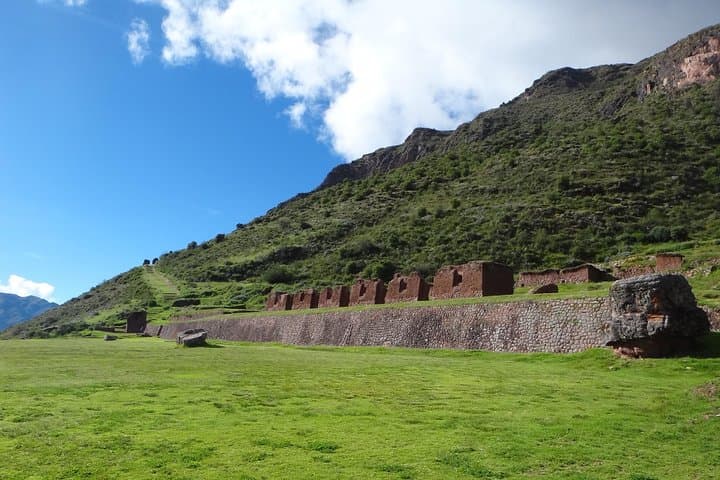
Huchuy Qosqo is a compact archaeological complex perched above the Sacred Valley; its terraces and storehouses reflect imperial logistics rather than ceremonial spectacle. Geology here is dominated by uplifted volcanic and metamorphic rock, with steep ravines carved by meltwater and seasonal rivers that during the wet season push everything they can downhill.
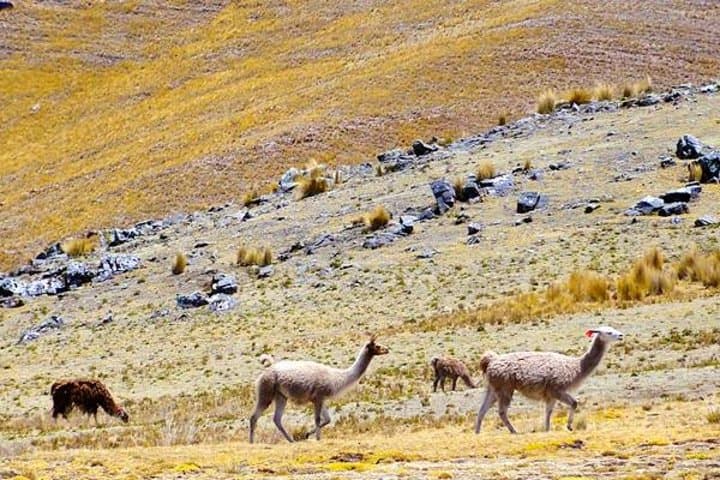
Culturally the route threads small Quechua-speaking communities where agriculture—potatoes, tarwi, and herds of llamas—still organizes daily life. Expect simple hospitality: porters manage camp logistics while guides interpret ruins and local practices.
Practical guidance: this private 3-day trek covers roughly 17 km of hiking with altitude ranging from ~3,600 m to 4,400 m. Plan for slow, steady pacing, and prioritize acclimatization in Cusco for 24–48 hours beforehand. Bring layered insulation, a waterproof shell, and a 2–3 liter hydration system. Trail footing varies from compacted Inca stone to loose scree; trekking poles help on descents. The itinerary finishes with an afternoon train to Aguas Calientes and a sunrise visit to Machu Picchu—expect early mornings and a full day of walking in high sun. Best travel window is the dry season (April–October).
moderate.
3 days.
Moderate fitness required—able to hike 5–8 hours across uneven terrain at high altitude and carry a daypack.
No formal experience required, but you should be comfortable walking multiple hours at altitude; allow time to acclimatize in Cusco before starting.
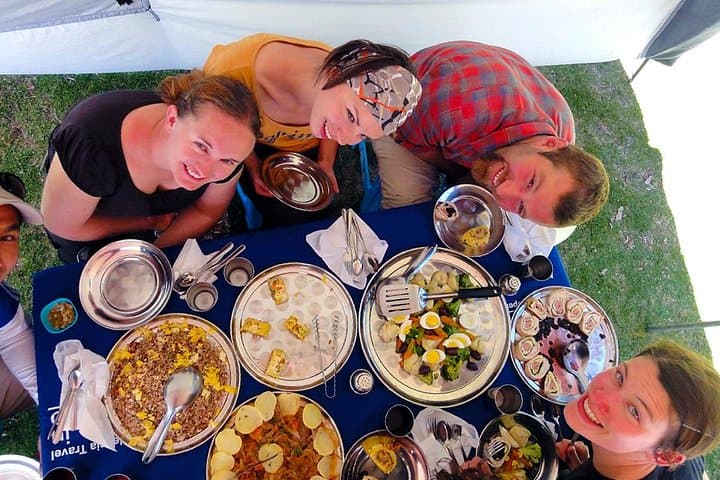
Typical inclusions are guided trekking, porters for communal gear, meals on trek, camping equipment, one hotel night in Aguas Calientes, train back to Cusco and entry guidance to Machu Picchu as listed by the operator.
Days include uphill passes near 4,200–4,400 m and long descents; expect 4–7 hours of walking with variable terrain—pacing and rest breaks make the route manageable.
Yes—the itinerary usually includes an early morning bus to Machu Picchu on day three for a guided visit and time to explore afterward.
Huchuy Qosqo was an Incan administrative and agricultural site overlooking the Sacred Valley; its terraces and storehouses point to logistical uses tied to the empire’s control of the region.
Stick to designated trails, avoid disturbing archaeological features, and use local guides and porters to support community economies while minimizing campsite impact.
Valencia Travel Agency S.a.c. operates guided outdoor trips and adventures with an emphasis on safety, stewardship, and memorable experiences.
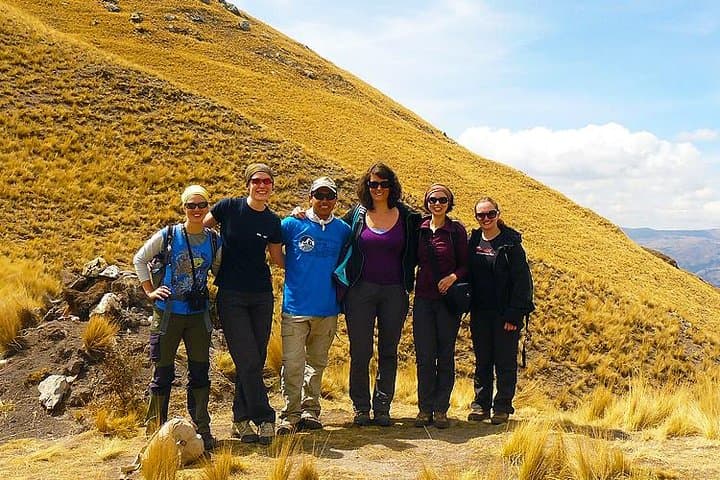
You step out of the bus at Tambomachay with cold mountain air that sharpens every sound—hooves on grass, the river nudging rocks, and the distant rumble of glaciers. The trail climbs through puna grasslands and skims highpasses where Veronica and Pitusiray watch over the valley. On day one you cross Pukamarca (≈4,200 m) and slip into a narrow canyon—Leon Punku—where carved Incan stairs and bridges force you to slow down and look closely at stone that still fits like a key.
You step out of the bus at Tambomachay with cold mountain air that sharpens every sound—hooves on grass, the river nudging rocks, and the distant rumble of glaciers. The trail climbs through puna grasslands and skims highpasses where Veronica and Pitusiray watch over the valley. On day one you cross Pukamarca (≈4,200 m) and slip into a narrow canyon—Leon Punku—where carved Incan stairs and bridges force you to slow down and look closely at stone that still fits like a key.
Huchuy Qosqo is a compact archaeological complex perched above the Sacred Valley; its terraces and storehouses reflect imperial logistics rather than ceremonial spectacle. Geology here is dominated by uplifted volcanic and metamorphic rock, with steep ravines carved by meltwater and seasonal rivers that during the wet season push everything they can downhill.
Culturally the route threads small Quechua-speaking communities where agriculture—potatoes, tarwi, and herds of llamas—still organizes daily life. Expect simple hospitality: porters manage camp logistics while guides interpret ruins and local practices.
Practical guidance: this private 3-day trek covers roughly 17 km of hiking with altitude ranging from ~3,600 m to 4,400 m. Plan for slow, steady pacing, and prioritize acclimatization in Cusco for 24–48 hours beforehand. Bring layered insulation, a waterproof shell, and a 2–3 liter hydration system. Trail footing varies from compacted Inca stone to loose scree; trekking poles help on descents. The itinerary finishes with an afternoon train to Aguas Calientes and a sunrise visit to Machu Picchu—expect early mornings and a full day of walking in high sun. Best travel window is the dry season (April–October).