THE ADVENTURE COLLECTIVE® · Independent discovery and booking for outdoor travel

A compact, guided 3-day tour that threads Brussels, Luxembourg, Verdun, Metz and Strasbourg into a single historical route. Ideal for travelers who want concentrated context—battlefields, castles, and contested border cities—with hotel stays and private transport included.
A compact, guided 3-day tour that threads Brussels, Luxembourg, Verdun, Metz and Strasbourg into a single historical route. Ideal for travelers who want concentrated context—battlefields, castles, and contested border cities—with hotel stays and private transport included.
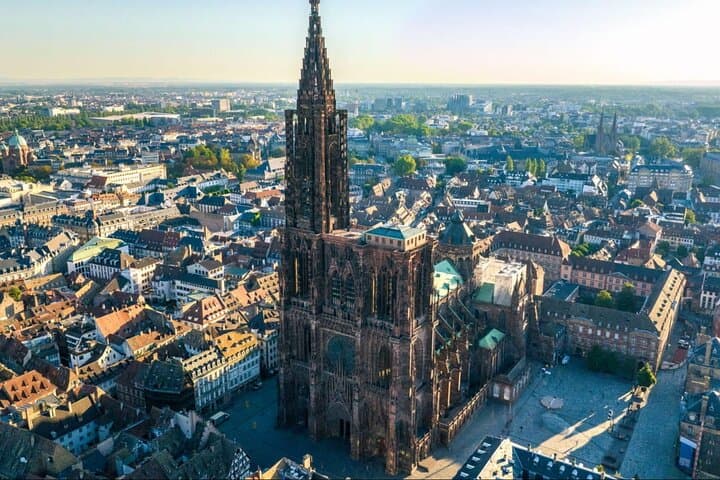
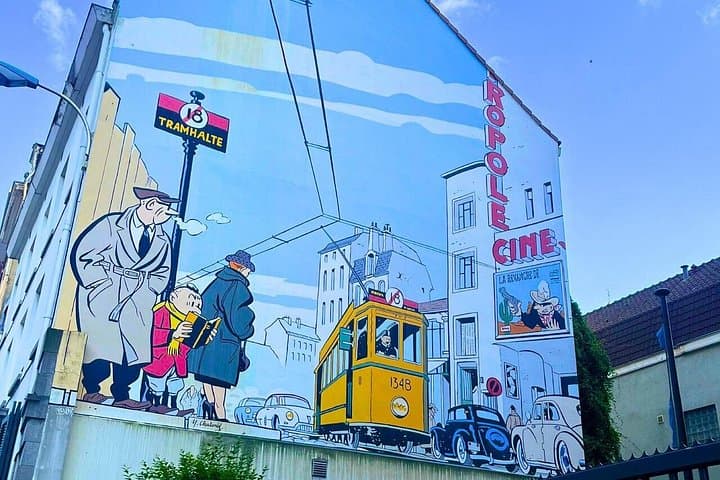
Morning light hits the Grand Place and the tour sets off—cars hum, trams nudge, and the guide threads the group through narrow streets toward the ring road that leads south. Over three days travelers move from Belgian boulevards into Luxembourg’s rolling valleys, cross battle-scarred fields around Verdun, skirt the Moselle to Metz, and finish beneath Strasbourg’s layered facades.
Verified experiences and guided adventures in the surrounding area.
Operated by Cognosimo · Brussels, Brussels-Capital Region
Morning light hits the Grand Place and the tour sets off—cars hum, trams nudge, and the guide threads the group through narrow streets toward the ring road that leads south. Over three days travelers move from Belgian boulevards into Luxembourg’s rolling valleys, cross battle-scarred fields around Verdun, skirt the Moselle to Metz, and finish beneath Strasbourg’s layered facades.
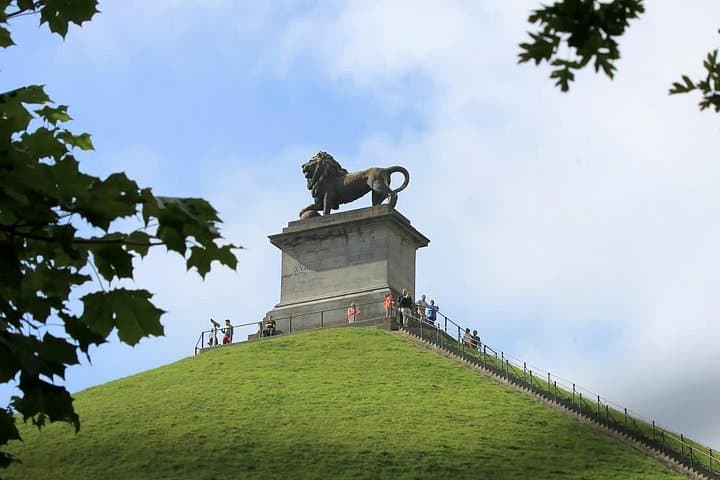
The route stitches together eras: Napoleon’s final stand at Waterloo, the tenacity of Bastogne in WWII, and the grinding attrition of Verdun in WWI. Geology shifts subtly—limestone outcrops in Luxembourg give way to the chalky plateaus and river-carved meanders of northeastern France—while architecture records contested borders, with Germanic brickwork rubbing shoulders with French stone in Metz and Strasbourg.
Culturally the itinerary is compact: castles in Vianden and Bourscheid, quiet ossuaries, and civic squares where local markets still pulse. Guides balance context and cadence—pointing to plaques, opening doors to unexpected courtyards, and suggesting regional dishes when there’s time.
Practical notes: expect regular short walks and some uneven surfaces at memorial sites; bring a rain layer year-round and comfortable walking shoes. Days are car-supported with hotel stays in 3–4 star properties; breakfast is included. Passports and any EU travel documents should be on hand. For quieter moments, step off the main squares to find a side street café or a park bench where the Rhine and Vosges nearly whisper history back at you.
moderate.
3 days.
Participants should have a moderate fitness level—able to walk 2–4 miles (3–6 km) across a day with short standing tours.
Two breakfasts and select admission fees are included; lunches and most dinners are at your expense unless specified.
Guides typically operate in English and may offer French; confirm language when booking.
The tour offers pickup in Brussels (and sometimes Amsterdam if arranged); a specific pickup point is requested at booking.
Yes—Day 3 has an option for Verdun’s battlefield tour or a walking tour of Metz; choose when you book or on day two with the guide.
This corridor has repeatedly shifted between powers; sites from Waterloo to Verdun reflect Napoleonic, Franco-German and WWI/WWII upheavals that shaped modern Europe.
Many memorials and natural areas ask visitors to stay on marked paths, avoid disturbing fragile trenches or memorial sites, and support local museums to fund preservation.
Cognosimo operates guided outdoor trips and adventures with an emphasis on safety, stewardship, and memorable experiences.
Morning light hits the Grand Place and the tour sets off—cars hum, trams nudge, and the guide threads the group through narrow streets toward the ring road that leads south. Over three days travelers move from Belgian boulevards into Luxembourg’s rolling valleys, cross battle-scarred fields around Verdun, skirt the Moselle to Metz, and finish beneath Strasbourg’s layered facades.
Morning light hits the Grand Place and the tour sets off—cars hum, trams nudge, and the guide threads the group through narrow streets toward the ring road that leads south. Over three days travelers move from Belgian boulevards into Luxembourg’s rolling valleys, cross battle-scarred fields around Verdun, skirt the Moselle to Metz, and finish beneath Strasbourg’s layered facades.
The route stitches together eras: Napoleon’s final stand at Waterloo, the tenacity of Bastogne in WWII, and the grinding attrition of Verdun in WWI. Geology shifts subtly—limestone outcrops in Luxembourg give way to the chalky plateaus and river-carved meanders of northeastern France—while architecture records contested borders, with Germanic brickwork rubbing shoulders with French stone in Metz and Strasbourg.
Culturally the itinerary is compact: castles in Vianden and Bourscheid, quiet ossuaries, and civic squares where local markets still pulse. Guides balance context and cadence—pointing to plaques, opening doors to unexpected courtyards, and suggesting regional dishes when there’s time.
Practical notes: expect regular short walks and some uneven surfaces at memorial sites; bring a rain layer year-round and comfortable walking shoes. Days are car-supported with hotel stays in 3–4 star properties; breakfast is included. Passports and any EU travel documents should be on hand. For quieter moments, step off the main squares to find a side street café or a park bench where the Rhine and Vosges nearly whisper history back at you.