THE ADVENTURE COLLECTIVE® · Independent discovery and booking for outdoor travel

Spend three days traveling from Windhoek into Kaokoland to meet the Himba people in a private, lodge-based cultural visit. This immersive tour balances vehicle travel with guided village time, offering direct cultural exchange and insight into northern Namibia’s arid landscape.
Spend three days traveling from Windhoek into Kaokoland to meet the Himba people in a private, lodge-based cultural visit. This immersive tour balances vehicle travel with guided village time, offering direct cultural exchange and insight into northern Namibia’s arid landscape.
You leave Windhoek before dawn and the asphalt thins into red dust; the land opens into scorched plains and low hills that seem to watch you travel north. By the second day you are standing at the edge of a Himba settlement, where ochre-smoothed skin and braided hair greet the breeze like living history. Conversation here is practical and direct — livestock, water, and family lineage are daily currencies — and visitors come to listen and learn.
Verified experiences and guided adventures in the surrounding area.
Operated by Motema Tours and Safaris Namibia · Windhoek, Khomas
You leave Windhoek before dawn and the asphalt thins into red dust; the land opens into scorched plains and low hills that seem to watch you travel north. By the second day you are standing at the edge of a Himba settlement, where ochre-smoothed skin and braided hair greet the breeze like living history. Conversation here is practical and direct — livestock, water, and family lineage are daily currencies — and visitors come to listen and learn.
The Himba descend from Herero pastoralists who moved into Kaokoland centuries ago. Geologically, the region is ancient: fractured dolomite and granite underlie thin soils and seasonal rivers that dictate movement. Culturally, the visit is intimate — expect demonstrations of skin paste, jewelry making, and explanations of semi-nomadic life tied to cattle and goats. Nearby community-run craft markets, and the Cheetah Conservation Fund outside Otjiwarongo, reveal modern conservation and economic tensions.
Practically, this private, lodge-based tour mixes long drives with short, on-foot village visits. Accommodations are simple lodges with basic amenities; nights are dry and star-bright. Respect is central: ask before photographing, accept invitations to sit, and follow guides’ directions about where to walk.
Bring sun protection, cash in small notes for crafts, and patience for unhurried conversations. A three-day itinerary gives a meaningful cultural exchange without extensive trekking — ideal for travelers who want depth over distance.
easy.
3 days (about 72 hours).
Suitable for most fitness levels; involves short guided walks and vehicle transfers over long distances
Visa requirements depend on your nationality—check Namibia’s current entry rules well before travel; most nationalities can obtain a visa on arrival or require pre-arranged visas.
Many visits are arranged through community programs and provide genuine cultural exchange, though some demonstrations are adapted for visitors—ask your guide about community-run fees and how proceeds support the village.
Yes—infants and small children can join; the tour notes stroller accessibility and infant seats, but long drives may be tiring for very young children.
Routine travel vaccinations are recommended; consult a travel clinic about typhoid, hepatitis A, and malaria risk in northern Namibia and bring a basic first-aid kit.
The Himba are descendants of Herero groups who moved northwest centuries ago; their semi-nomadic pastoral culture remains closely tied to cattle and seasonal water sources.
Responsible tourism supports community income and helps mitigate pressures on scarce water and grazing; stay on paths, avoid single-use plastics, and follow guide advice to reduce impact.
Motema Tours and Safaris Namibia operates guided outdoor trips and adventures with an emphasis on safety, stewardship, and memorable experiences.
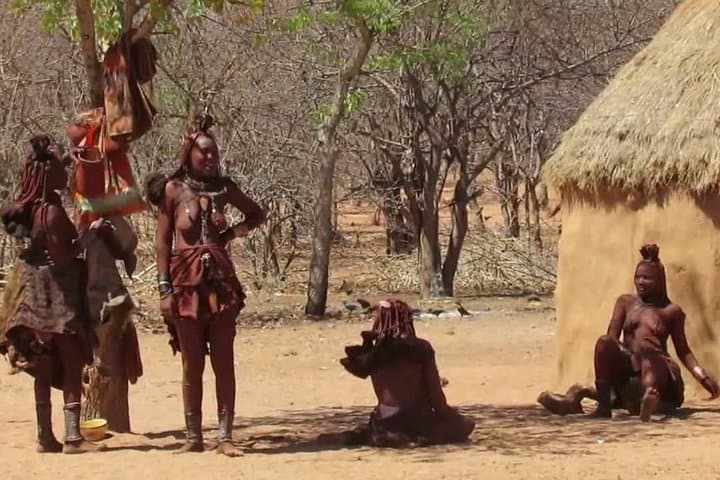
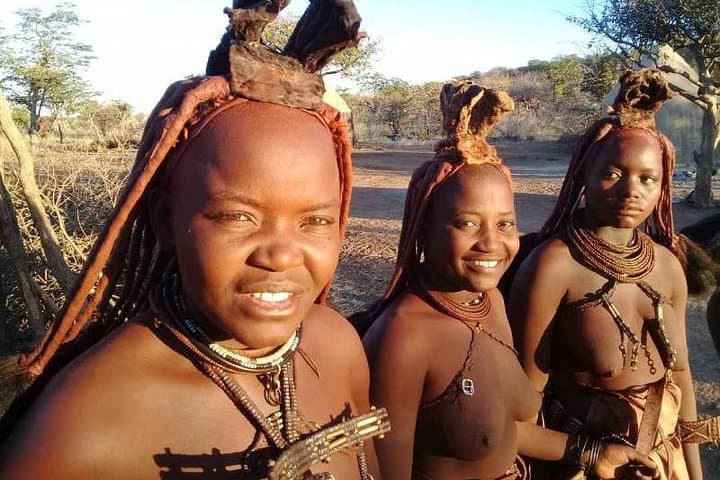
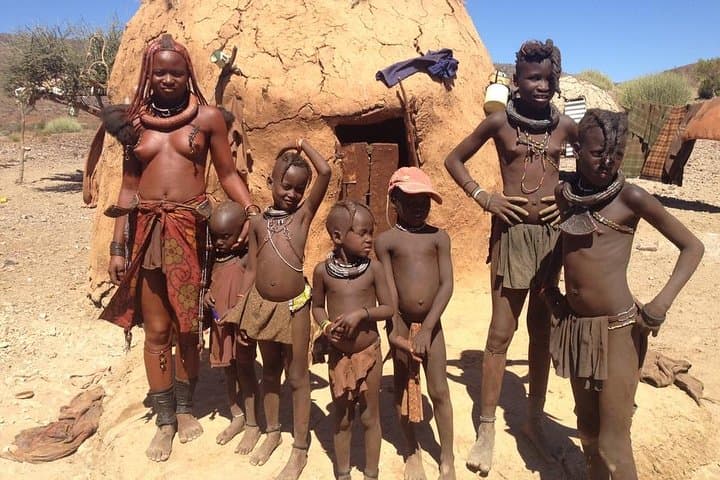
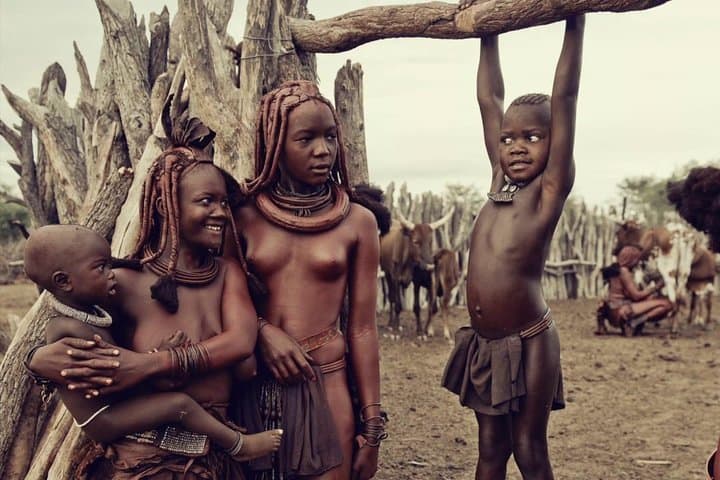
You leave Windhoek before dawn and the asphalt thins into red dust; the land opens into scorched plains and low hills that seem to watch you travel north. By the second day you are standing at the edge of a Himba settlement, where ochre-smoothed skin and braided hair greet the breeze like living history. Conversation here is practical and direct — livestock, water, and family lineage are daily currencies — and visitors come to listen and learn.
You leave Windhoek before dawn and the asphalt thins into red dust; the land opens into scorched plains and low hills that seem to watch you travel north. By the second day you are standing at the edge of a Himba settlement, where ochre-smoothed skin and braided hair greet the breeze like living history. Conversation here is practical and direct — livestock, water, and family lineage are daily currencies — and visitors come to listen and learn.
The Himba descend from Herero pastoralists who moved into Kaokoland centuries ago. Geologically, the region is ancient: fractured dolomite and granite underlie thin soils and seasonal rivers that dictate movement. Culturally, the visit is intimate — expect demonstrations of skin paste, jewelry making, and explanations of semi-nomadic life tied to cattle and goats. Nearby community-run craft markets, and the Cheetah Conservation Fund outside Otjiwarongo, reveal modern conservation and economic tensions.
Practically, this private, lodge-based tour mixes long drives with short, on-foot village visits. Accommodations are simple lodges with basic amenities; nights are dry and star-bright. Respect is central: ask before photographing, accept invitations to sit, and follow guides’ directions about where to walk.
Bring sun protection, cash in small notes for crafts, and patience for unhurried conversations. A three-day itinerary gives a meaningful cultural exchange without extensive trekking — ideal for travelers who want depth over distance.