THE ADVENTURE COLLECTIVE® · Independent discovery and booking for outdoor travel

Drive the Ha Giang Loop over three days from Hanoi to reach Ma Pi Leng Pass, Dong Van and H’mong highland villages. Expect karst panoramas, homestays with private rooms, and close cultural encounters along rugged mountain roads.
Drive the Ha Giang Loop over three days from Hanoi to reach Ma Pi Leng Pass, Dong Van and H’mong highland villages. Expect karst panoramas, homestays with private rooms, and close cultural encounters along rugged mountain roads.
You step off a night sleeper bus into a thin, cool air and the road immediately begins to climb. Jagged limestone ridges cut across the horizon while terraced rice fields spill down to narrow valleys; the Jeep hums, the driver negotiates hairpins, and the Nho Que River dares you to look down from Ma Pi Leng.
Verified experiences and guided adventures in the surrounding area.
Operated by BCFamilyTour.com · Ha Giang, Ha Giang Province
You step off a night sleeper bus into a thin, cool air and the road immediately begins to climb. Jagged limestone ridges cut across the horizon while terraced rice fields spill down to narrow valleys; the Jeep hums, the driver negotiates hairpins, and the Nho Que River dares you to look down from Ma Pi Leng.
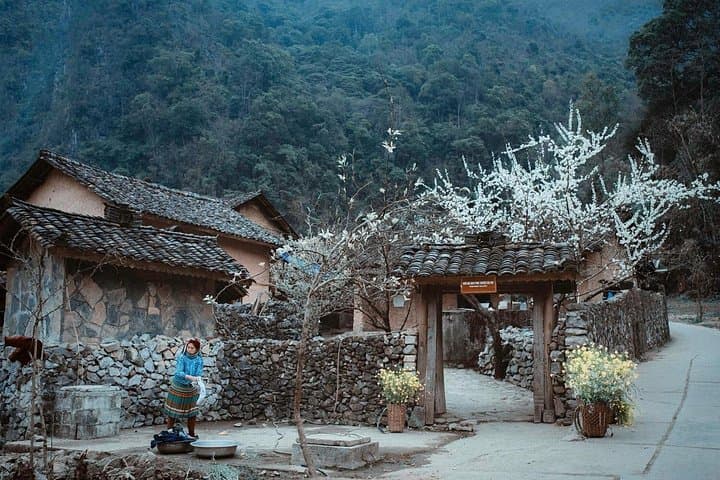
This three-day loop threads through the Dong Van Karst Plateau, a UNESCO-recognized geopark of ancient limestone sculpted by time. The route visits Quan Ba’s Twin Mountains and Heaven Gate, the H’mong King’s residence in Dong Van, and Ma Pi Leng Pass — geological highpoints where exposed rock, steep ravines, and microclimates tell a story of uplift and erosion. Along the way you’ll encounter H’mong and other highland communities whose woven clothing and terraced fields reflect centuries of mountain agriculture.
Expect a mix of paved and rough mountain roads best experienced by Jeep or sturdy car. Accommodations are private rooms in local homestays with simple comforts and home-cooked meals. Bring layered clothing (temperatures swing from dawn chill to strong sun), plenty of cash for remote towns, and a sense of patience—travel times expand for stops at viewpoints and villages.
Practical tip: aim to travel in the dry season for clearer views, but be ready for sudden wind and rain. Hydrate on longer drives and wear sturdy shoes for short walks around viewpoints. The trip combines cinematic scenery with hands-on cultural encounters; plan for early departures, modest facilities, and unforgettable overlooks that reward the effort.
moderate.
3 days.
Moderate fitness; mostly vehicle-based with short walks at viewpoints and village visits—should be comfortable walking up short steeper sections.
Most tours include a night luxury cabin bus from Hanoi to Ha Giang; private transfers by car are also possible if arranged in advance.
Yes — this specific tour provides private rooms in local homestays during the loop, but facilities are basic compared with city hotels.
Heavy rain can make secondary roads slick and reduce visibility at passes; operators will usually continue when safe but expect schedule changes.
Because the tour uses mountain roads with stops at viewpoints and village steps, it’s best for travelers who can manage short walks and modest mobility demands.
The Dong Van Karst Plateau is a geopark formed from ancient limestone uplift and erosion; the Vuong family residence in Dong Van reflects the region’s H’mong royal heritage and cross-border trade history.
Travelers should respect fragile karst soils and terraces—stay on paths, avoid leaving waste, and support local homestays that reinvest tourism income into communities.
BCFamilyTour.com operates guided outdoor trips and adventures with an emphasis on safety, stewardship, and memorable experiences.
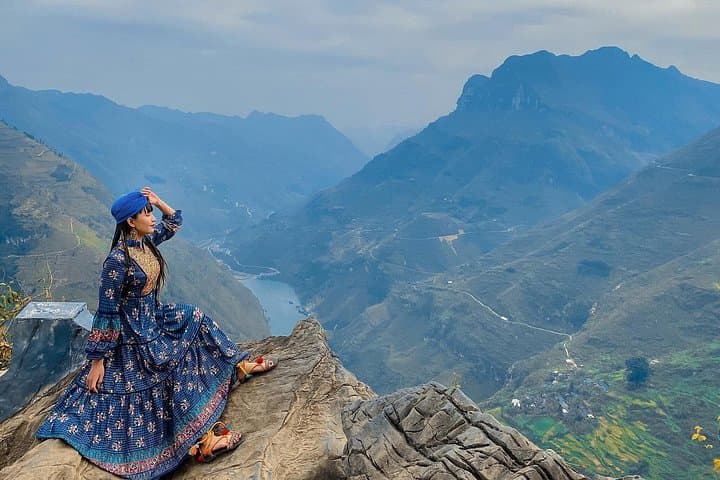
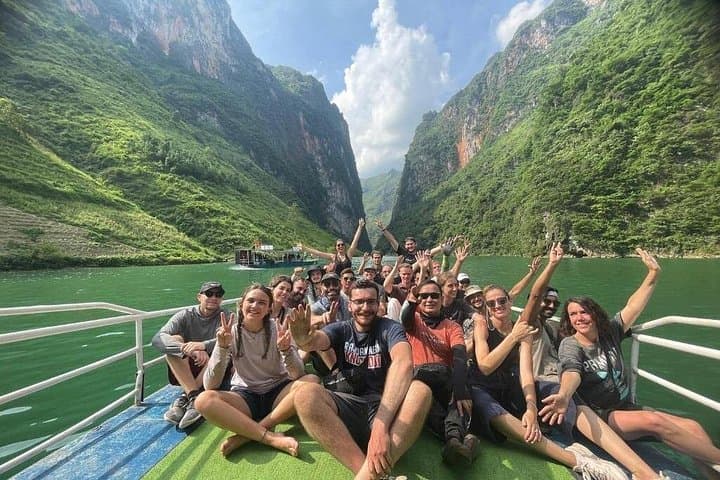
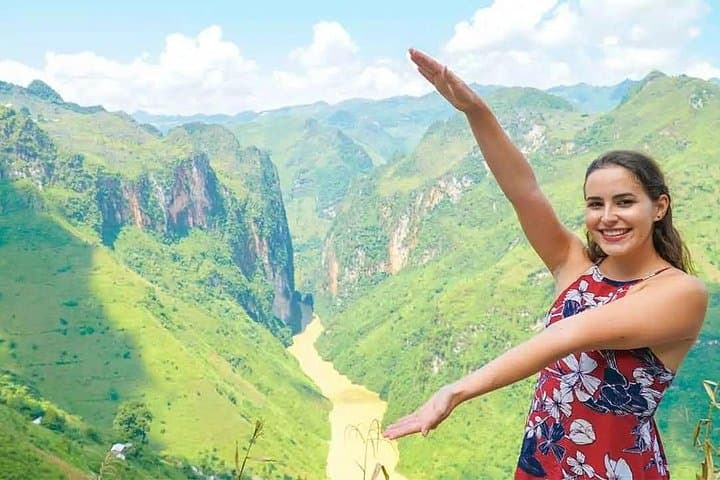
You step off a night sleeper bus into a thin, cool air and the road immediately begins to climb. Jagged limestone ridges cut across the horizon while terraced rice fields spill down to narrow valleys; the Jeep hums, the driver negotiates hairpins, and the Nho Que River dares you to look down from Ma Pi Leng.
You step off a night sleeper bus into a thin, cool air and the road immediately begins to climb. Jagged limestone ridges cut across the horizon while terraced rice fields spill down to narrow valleys; the Jeep hums, the driver negotiates hairpins, and the Nho Que River dares you to look down from Ma Pi Leng.
This three-day loop threads through the Dong Van Karst Plateau, a UNESCO-recognized geopark of ancient limestone sculpted by time. The route visits Quan Ba’s Twin Mountains and Heaven Gate, the H’mong King’s residence in Dong Van, and Ma Pi Leng Pass — geological highpoints where exposed rock, steep ravines, and microclimates tell a story of uplift and erosion. Along the way you’ll encounter H’mong and other highland communities whose woven clothing and terraced fields reflect centuries of mountain agriculture.
Expect a mix of paved and rough mountain roads best experienced by Jeep or sturdy car. Accommodations are private rooms in local homestays with simple comforts and home-cooked meals. Bring layered clothing (temperatures swing from dawn chill to strong sun), plenty of cash for remote towns, and a sense of patience—travel times expand for stops at viewpoints and villages.
Practical tip: aim to travel in the dry season for clearer views, but be ready for sudden wind and rain. Hydrate on longer drives and wear sturdy shoes for short walks around viewpoints. The trip combines cinematic scenery with hands-on cultural encounters; plan for early departures, modest facilities, and unforgettable overlooks that reward the effort.