THE ADVENTURE COLLECTIVE® · Independent discovery and booking for outdoor travel

Three days on the Ha Giang Loop deliver towering karst cliffs, the Ma Pi Leng Pass and cultural encounters with Hmong, Dao and Tay communities. This guide covers what to expect, practical tips, and how to prepare for variable mountain weather.
Three days on the Ha Giang Loop deliver towering karst cliffs, the Ma Pi Leng Pass and cultural encounters with Hmong, Dao and Tay communities. This guide covers what to expect, practical tips, and how to prepare for variable mountain weather.
A cold dawn in Hanoi yields to the rhythm of a sleeper bus and, by morning, the road unfurls into jagged limestone and rice terraces. You arrive in Ha Giang province where switchbacks climb and the wind shapes the landscape; the Ma Pi Leng Pass soon appears—sheer cliffs dropping to the Nho Que River that seems to dare you to look down.
Verified experiences and guided adventures in the surrounding area.
Operated by Joy Tourist · Ha Giang, Ha Giang Province
A cold dawn in Hanoi yields to the rhythm of a sleeper bus and, by morning, the road unfurls into jagged limestone and rice terraces. You arrive in Ha Giang province where switchbacks climb and the wind shapes the landscape; the Ma Pi Leng Pass soon appears—sheer cliffs dropping to the Nho Que River that seems to dare you to look down.
This three-day loop threads through the Dong Van Karst Plateau, a UNESCO-recognized geopark formed by ancient marine limestone uplifted and carved over millennia. Expect stops at the Hmong King’s Palace to learn about local Vuong family history, overnight homestays where Hmong, Dao and Tay hospitality centers daily life, and the Sky Path trek for wide valley panoramas.
Culturally, the region is defined by terrace agriculture, handwoven textiles and seasonal festivals; villages retain distinct dress and craft traditions. Geologically, the karst towers and sinkholes are both dramatic scenery and fragile terrain—stick to trails and respect grazing areas.
Practical side: the days mix motorbike legs (easy rider) with short to moderate hikes; bring layers for altitude chill, waterproofs for unpredictable mountain rain, and sturdy shoes for uneven stone paths. Hydrate and pace yourself—elevations near Ma Pi Leng reach about 2,000 m—plan mornings for the clearest views and afternoons for homestay relaxation. Expect basic accommodations, hearty local food, and guide-led transfers; this loop rewards travelers who want raw mountain scenery paired with direct cultural contact.
moderate.
3 days.
Moderate fitness required—able to handle multiple short hikes, uneven trails and long transfer legs.
Hikes are generally short to moderate—mostly lookout trails and uneven paths rather than long summit climbs; moderate fitness is adequate.
Accommodation alternates between simple homestays and basic mountain guesthouses; rooms are comfortable but not luxurious, with shared facilities in some villages.
Guides use experienced easy riders; wearing helmets and following rider instructions keeps risk low, though roads are narrow and weather can make conditions tricky.
Foreign visitors need a valid Vietnam visa or e-visa as required by nationality; carry ID/passport details requested at booking for permits and homestay registration.
The Dong Van Karst Plateau is recognized as a UNESCO Global Geopark for its unique karst geology and long human settlement by highland ethnic groups.
The karst landscape and village ecosystems are fragile—stay on trails, minimize plastic waste, and support local homestays to benefit communities.
Joy Tourist operates guided outdoor trips and adventures with an emphasis on safety, stewardship, and memorable experiences.
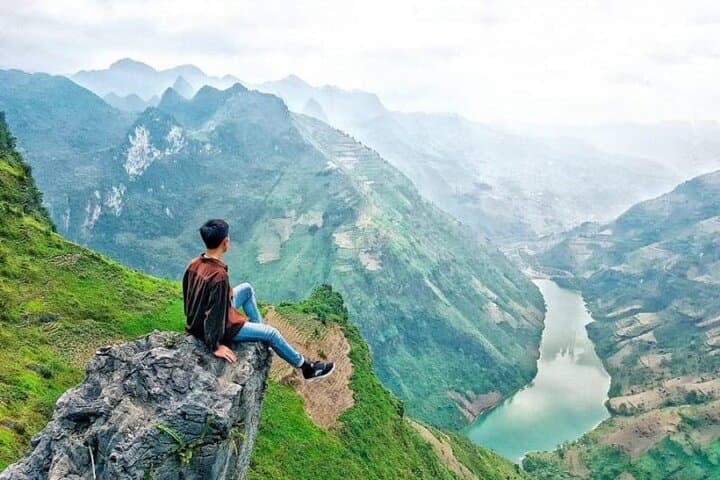
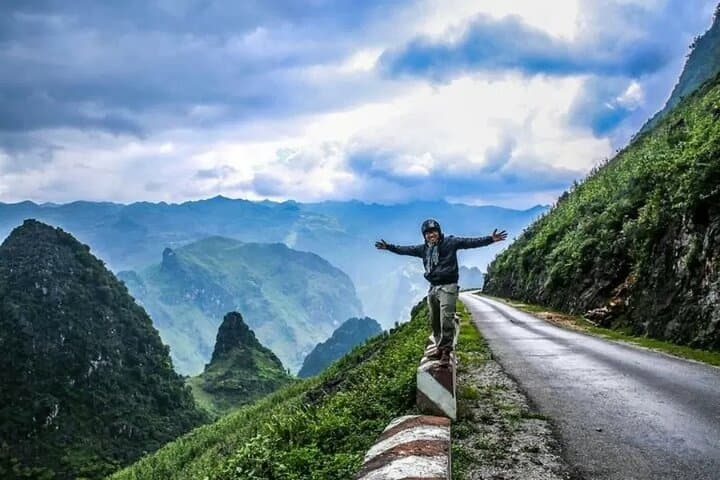
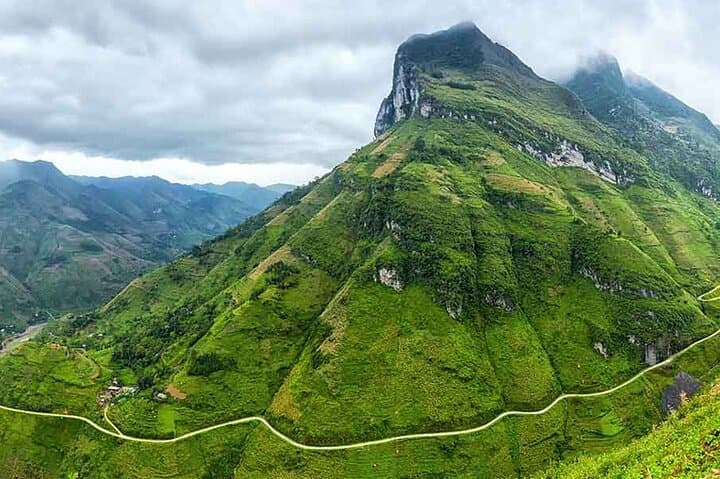
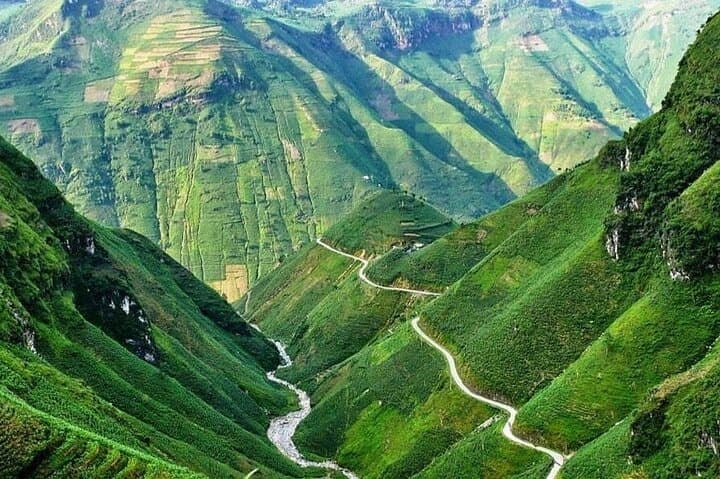
A cold dawn in Hanoi yields to the rhythm of a sleeper bus and, by morning, the road unfurls into jagged limestone and rice terraces. You arrive in Ha Giang province where switchbacks climb and the wind shapes the landscape; the Ma Pi Leng Pass soon appears—sheer cliffs dropping to the Nho Que River that seems to dare you to look down.
A cold dawn in Hanoi yields to the rhythm of a sleeper bus and, by morning, the road unfurls into jagged limestone and rice terraces. You arrive in Ha Giang province where switchbacks climb and the wind shapes the landscape; the Ma Pi Leng Pass soon appears—sheer cliffs dropping to the Nho Que River that seems to dare you to look down.
This three-day loop threads through the Dong Van Karst Plateau, a UNESCO-recognized geopark formed by ancient marine limestone uplifted and carved over millennia. Expect stops at the Hmong King’s Palace to learn about local Vuong family history, overnight homestays where Hmong, Dao and Tay hospitality centers daily life, and the Sky Path trek for wide valley panoramas.
Culturally, the region is defined by terrace agriculture, handwoven textiles and seasonal festivals; villages retain distinct dress and craft traditions. Geologically, the karst towers and sinkholes are both dramatic scenery and fragile terrain—stick to trails and respect grazing areas.
Practical side: the days mix motorbike legs (easy rider) with short to moderate hikes; bring layers for altitude chill, waterproofs for unpredictable mountain rain, and sturdy shoes for uneven stone paths. Hydrate and pace yourself—elevations near Ma Pi Leng reach about 2,000 m—plan mornings for the clearest views and afternoons for homestay relaxation. Expect basic accommodations, hearty local food, and guide-led transfers; this loop rewards travelers who want raw mountain scenery paired with direct cultural contact.