THE ADVENTURE COLLECTIVE® · Independent discovery and booking for outdoor travel

A three-day loop from Hanoi into Ha Giang takes you over Ma Pi Leng Pass and through Dong Van’s karst plateau, with homestays, H’Mong history and river-cut gorges. Expect long drives, dramatic viewpoints and authentic village nights.
A three-day loop from Hanoi into Ha Giang takes you over Ma Pi Leng Pass and through Dong Van’s karst plateau, with homestays, H’Mong history and river-cut gorges. Expect long drives, dramatic viewpoints and authentic village nights.
Morning light in Hanoi shuffles the city awake; by noon the traffic thins and the road becomes a ribbon carrying travelers into the north’s hard, folding country. Over three days you trade rice paddies for razor ridges, watch tea terraces recede and feel the winds of the karst plateaus dare you as the bus climbs toward Quan Ba and the Dong Van karst plateau.
Verified experiences and guided adventures in the surrounding area.
Operated by Old Quarter Travel · Ha Giang, Ha Giang
Morning light in Hanoi shuffles the city awake; by noon the traffic thins and the road becomes a ribbon carrying travelers into the north’s hard, folding country. Over three days you trade rice paddies for razor ridges, watch tea terraces recede and feel the winds of the karst plateaus dare you as the bus climbs toward Quan Ba and the Dong Van karst plateau.
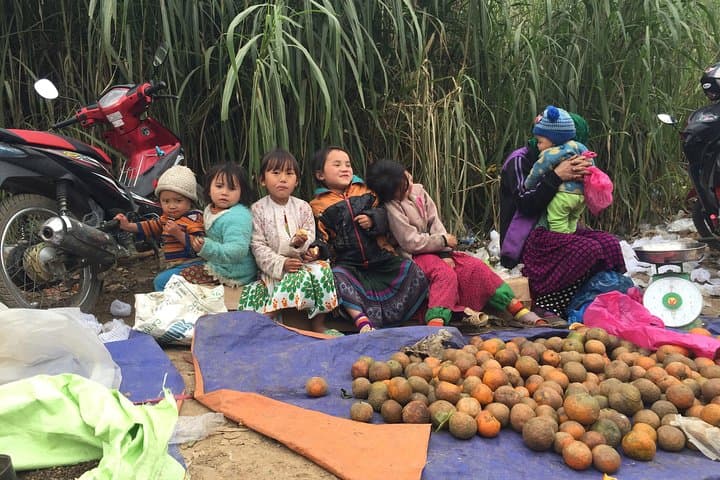
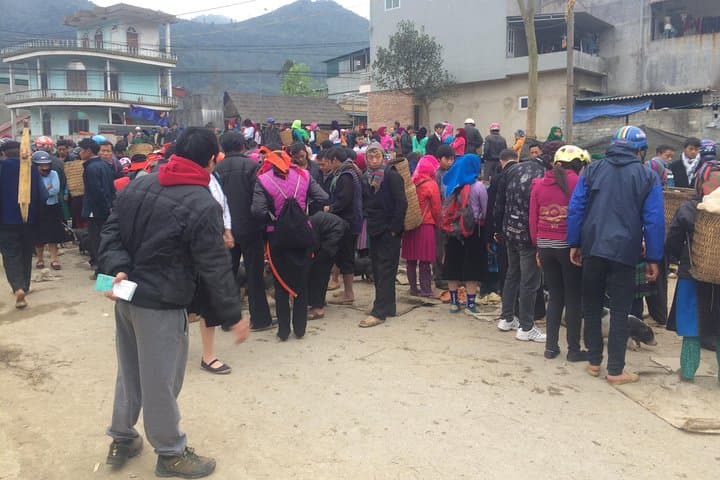
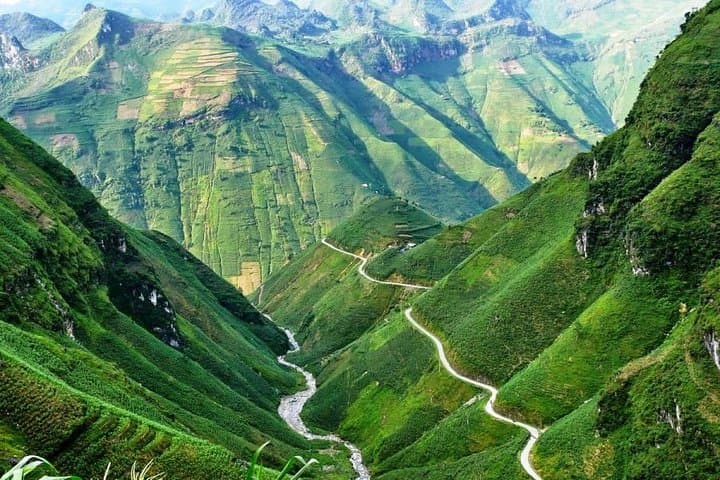
The region sits on ancient limestone and shale uplifted by tectonic pressure; valleys carved by rivers create the dramatic passes that define the Ha Giang Loop. Cultural history is visible in the H’Mong palace’s mixed French-Chinese architecture and in homestays where traditional costumes and highland farming rhythms persist. Lung Cu Flag Tower marks the northern edge of national identity while Ma Pi Leng Pass offers one of Vietnam’s most vertiginous viewpoints, where the Nho Que River threads the valley below.
Expect long drives between highlights, several short walks and immersive homestay nights where local meals are part of the experience. Roads can be narrow and weather-changeable; bring layers and expect early starts to make light of mountain mists and to capture clearer views.
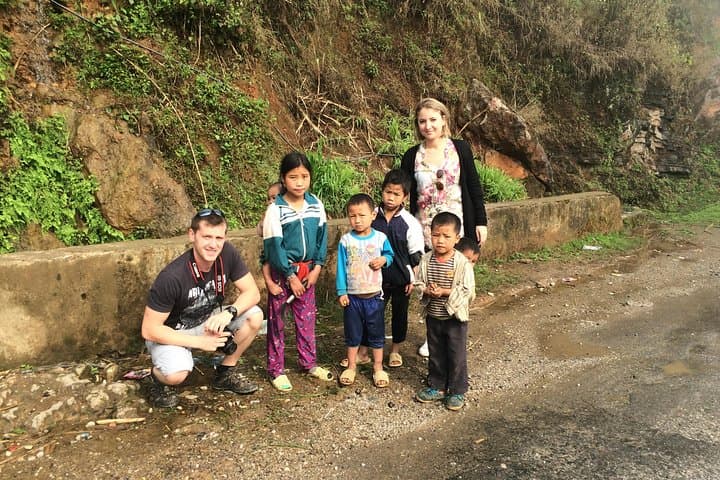
Practical tips: carry cash for remote villages, pack a rain shell and sturdy footwear for short hikes, and plan for motion sickness on winding mountain roads. Respect local customs—ask before photographing people—and leave no trace: these landscapes and communities remain fragile and dependent on low-impact tourism.
moderate.
3 days.
Moderate—able to handle several hours of travel daily and short hikes; comfortable with basic mobility.
Yes—ATMs are limited in remote areas; carry Vietnamese dong for meals, entrance fees and homestay payments.
You’ll stay in local homestays and budget hotels; expect simple rooms, shared facilities in some homestays and home-cooked meals.
Moderate—most days involve long drives with short walks and standing at viewpoints; a moderate fitness level is recommended.
Yes—mountain weather can force adjustments; the operator may alter stops or schedules for safety and visibility.
Ha Giang’s highlands are home to multiple ethnic groups, notably H’Mong and Dao communities; the H’Mong palace reflects a 20th-century local elite influenced by colonial-era styles.
Tourism is a growing income source but can strain water and waste systems; stick to trails, avoid single-use plastics and support local homestays to keep benefits local.
Old Quarter Travel operates guided outdoor trips and adventures with an emphasis on safety, stewardship, and memorable experiences.
Morning light in Hanoi shuffles the city awake; by noon the traffic thins and the road becomes a ribbon carrying travelers into the north’s hard, folding country. Over three days you trade rice paddies for razor ridges, watch tea terraces recede and feel the winds of the karst plateaus dare you as the bus climbs toward Quan Ba and the Dong Van karst plateau.
Morning light in Hanoi shuffles the city awake; by noon the traffic thins and the road becomes a ribbon carrying travelers into the north’s hard, folding country. Over three days you trade rice paddies for razor ridges, watch tea terraces recede and feel the winds of the karst plateaus dare you as the bus climbs toward Quan Ba and the Dong Van karst plateau.
The region sits on ancient limestone and shale uplifted by tectonic pressure; valleys carved by rivers create the dramatic passes that define the Ha Giang Loop. Cultural history is visible in the H’Mong palace’s mixed French-Chinese architecture and in homestays where traditional costumes and highland farming rhythms persist. Lung Cu Flag Tower marks the northern edge of national identity while Ma Pi Leng Pass offers one of Vietnam’s most vertiginous viewpoints, where the Nho Que River threads the valley below.
Expect long drives between highlights, several short walks and immersive homestay nights where local meals are part of the experience. Roads can be narrow and weather-changeable; bring layers and expect early starts to make light of mountain mists and to capture clearer views.
Practical tips: carry cash for remote villages, pack a rain shell and sturdy footwear for short hikes, and plan for motion sickness on winding mountain roads. Respect local customs—ask before photographing people—and leave no trace: these landscapes and communities remain fragile and dependent on low-impact tourism.