THE ADVENTURE COLLECTIVE® · Independent discovery and booking for outdoor travel

Spend three days between Morelia, Pátzcuaro and Angangueo following the monarch migration to its highland sanctuaries. Experience colonial towns, copper artisans and the awe of millions of butterflies clustered in fir forests.
Spend three days between Morelia, Pátzcuaro and Angangueo following the monarch migration to its highland sanctuaries. Experience colonial towns, copper artisans and the awe of millions of butterflies clustered in fir forests.
Dawn light filters through pine and oyamel fir as you climb the switchbacks toward a cathedral of wings. The forest holds its breath; millions of monarchs cling to branches and sway like weathered flags. On this three‑day loop from coastal pickup to highland sanctuaries you move between colonial plazas, copper workshops and the cool, fragrant slopes where the butterflies overwinter.
Verified experiences and guided adventures in the surrounding area.
Operated by Ketavi Tourist Excursions · Angangueo, Michoacán
Dawn light filters through pine and oyamel fir as you climb the switchbacks toward a cathedral of wings. The forest holds its breath; millions of monarchs cling to branches and sway like weathered flags. On this three‑day loop from coastal pickup to highland sanctuaries you move between colonial plazas, copper workshops and the cool, fragrant slopes where the butterflies overwinter.
The route threads through Michoacán’s layered past: Purépecha towns that became Tarascan centers, Spanish colonial architecture in Pátzcuaro and Morelia, and a long history of forested volcanic ranges that trap moisture and create the microclimates monarchs need. Geologically, the reserve sits on the Trans‑Mexican Volcanic Belt—elevations near 2,500–3,100 m—with volcanic soils and steep canyons that influence local weather and butterfly clustering.
Culturally the region balances artisan traditions—copper making in Santa Clara del Cobre—and communal stewardship of butterfly groves. Guides explain seasonal rhythms: monarchs arrive in late autumn and concentrate in overwintering clusters through winter before returning north in spring.
Practical guidance: expect high altitude, cool mornings (near freezing some seasons) and moderate, sometimes steep footpaths in the sanctuaries. Bring layered clothing, waterproof footwear, and a steady pair of legs for 1–3 km hikes with short, steep sections. Sunrise and late afternoon offer the best viewing and light for photos; mid‑day can be warmer but less active. Respect quiet zones, stay on marked trails, and follow local guides—your presence is low impact when you keep distance and avoid flash photography.
easy.
3 days.
Suitable for travelers in average physical condition; involves short hikes (1–3 km) with some steep sections and high altitude.
Peak viewing runs from late November through February when overwintering colonies are largest and most stable.
Trails are short but can be steep and uneven; expect 30–90 minute hikes with some uphill sections and uneven footing.
Sanctuary access typically requires entrance fees and guided access in certain reserves—your tour includes transport and guidance but check for local park fees included in the itinerary.
Many areas can accommodate children and moderate mobility limitations, but some viewpoints require uphill walking; inquire about transport options and altitude concerns.
The area was central to the Purépecha (Tarascan) state and later Spanish colonial towns—Pátzcuaro served as an important regional center from pre‑Columbian times through the colonial era.
Local communities and NGOs manage roosting groves through community concessions and reforestation; visitors reduce impact by staying on trails and following guide instructions.
Ketavi Tourist Excursions operates guided outdoor trips and adventures with an emphasis on safety, stewardship, and memorable experiences.
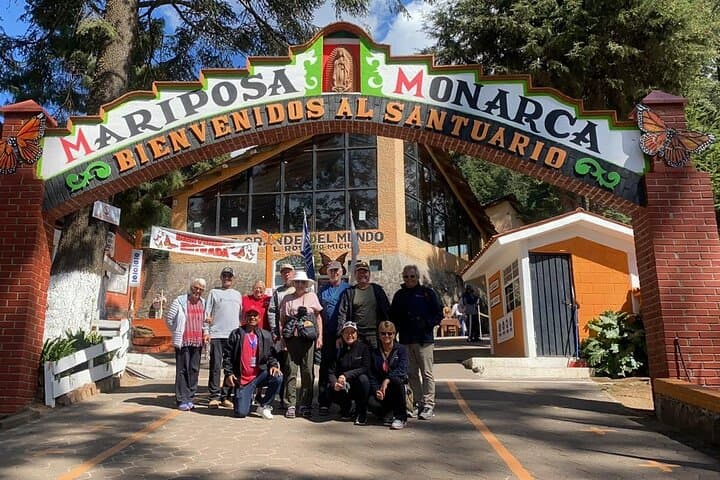
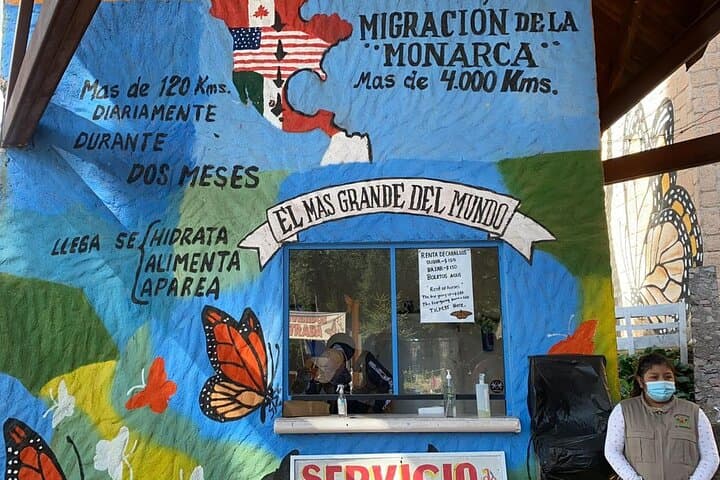
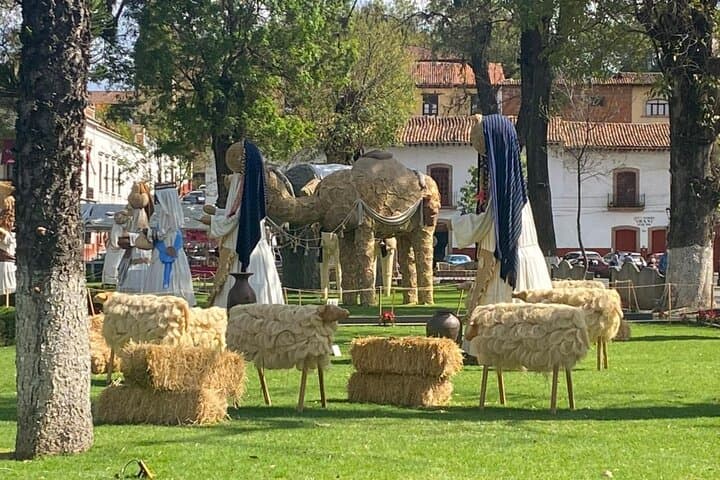
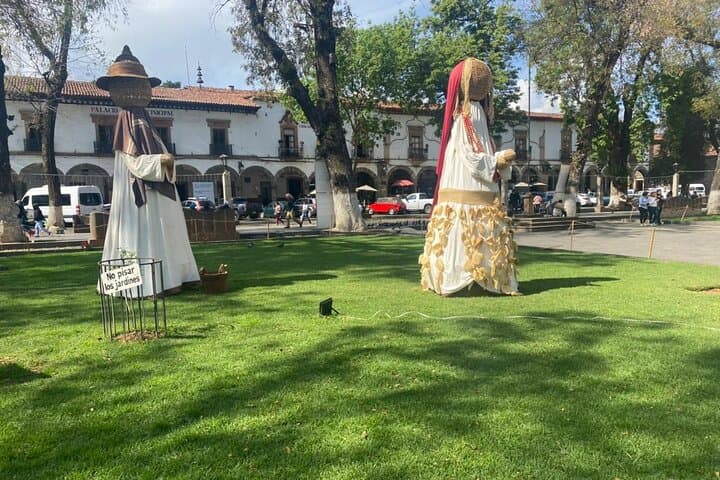
Dawn light filters through pine and oyamel fir as you climb the switchbacks toward a cathedral of wings. The forest holds its breath; millions of monarchs cling to branches and sway like weathered flags. On this three‑day loop from coastal pickup to highland sanctuaries you move between colonial plazas, copper workshops and the cool, fragrant slopes where the butterflies overwinter.
Dawn light filters through pine and oyamel fir as you climb the switchbacks toward a cathedral of wings. The forest holds its breath; millions of monarchs cling to branches and sway like weathered flags. On this three‑day loop from coastal pickup to highland sanctuaries you move between colonial plazas, copper workshops and the cool, fragrant slopes where the butterflies overwinter.
The route threads through Michoacán’s layered past: Purépecha towns that became Tarascan centers, Spanish colonial architecture in Pátzcuaro and Morelia, and a long history of forested volcanic ranges that trap moisture and create the microclimates monarchs need. Geologically, the reserve sits on the Trans‑Mexican Volcanic Belt—elevations near 2,500–3,100 m—with volcanic soils and steep canyons that influence local weather and butterfly clustering.
Culturally the region balances artisan traditions—copper making in Santa Clara del Cobre—and communal stewardship of butterfly groves. Guides explain seasonal rhythms: monarchs arrive in late autumn and concentrate in overwintering clusters through winter before returning north in spring.
Practical guidance: expect high altitude, cool mornings (near freezing some seasons) and moderate, sometimes steep footpaths in the sanctuaries. Bring layered clothing, waterproof footwear, and a steady pair of legs for 1–3 km hikes with short, steep sections. Sunrise and late afternoon offer the best viewing and light for photos; mid‑day can be warmer but less active. Respect quiet zones, stay on marked trails, and follow local guides—your presence is low impact when you keep distance and avoid flash photography.