THE ADVENTURE COLLECTIVE® · Independent discovery and booking for outdoor travel

A compact, three-day camping circuit from Arusha that visits Tarangire’s elephant herds, the world-famous Ngorongoro Crater and bird-rich Lake Manyara. Expect morning game drives, picnic lunches and campsite nights with guided wildlife viewing.
A compact, three-day camping circuit from Arusha that visits Tarangire’s elephant herds, the world-famous Ngorongoro Crater and bird-rich Lake Manyara. Expect morning game drives, picnic lunches and campsite nights with guided wildlife viewing.
Dawn breaks over red dust and whispering acacias as a Toyota Land Cruiser threads a ribbon of road north from Arusha. The first light finds tall baobabs outlined against open grassland and the low rumble of elephant herds moving through Tarangire’s dry-season funnels. Camp is a tidy cluster of canvas and cooking fires where guides map the next day’s descent into the green bowl of Ngorongoro.
Verified experiences and guided adventures in the surrounding area.
Operated by Nasikia Safaris · Arusha, Arusha Region
Dawn breaks over red dust and whispering acacias as a Toyota Land Cruiser threads a ribbon of road north from Arusha. The first light finds tall baobabs outlined against open grassland and the low rumble of elephant herds moving through Tarangire’s dry-season funnels. Camp is a tidy cluster of canvas and cooking fires where guides map the next day’s descent into the green bowl of Ngorongoro.
This loop stitches three contrasting East African environments: Tarangire’s elephant-rich woodlands, the volcanic geology of Ngorongoro — a 600-metre-walled caldera with its own microclimate — and Lake Manyara’s soda-lake edge where flamingos and tree-climbing lions stake a claim. The area has long been inhabited by Maasai communities; their grazing patterns and cultural knowledge remain visible at homestead edges and crater rims. Geologically, Ngorongoro is the world’s largest intact caldera, formed when a volcano collapsed roughly two to three million years ago.
Expect game drives from morning light to late afternoon, picnic lunches in shaded sites, and nights at established campsites with provided equipment and a private chef. Wildlife viewing is strongest in the dry months (June–October) when animals concentrate around water. Guides use pop-up roofs for photography and unlimited game-drive mileage to follow movement.
Practical notes: pack layered clothing for chilly crater mornings, carry binoculars and a good camera, and be prepared for unpaved roads. Mobility is moderate — you’ll spend hours standing or sitting on game drives. Respect distance rules around wildlife and follow your guide’s instructions; these landscapes are powerful but fragile, and local communities depend on them.
moderate.
3 days.
Moderate fitness required—comfortable sitting for long drives, short walks around picnic sites and occasional uneven terrain.
Yes—tents, sleeping mats and communal camp gear are included; personal sleeping bags are recommended if you prefer extra warmth.
Ngorongoro crater admission is included in the itinerary; confirm specifics at booking since policies can change.
Malaria risk exists—consult a travel clinic for recommended prophylaxis and bring insect repellent and long sleeves for evenings.
Groups are typically small (up to 6 per shared tour) traveling in Toyota Land Cruisers with pop-up roofs for viewing and photography.
The Ngorongoro Conservation Area has been both a World Heritage Site and a grazing homeland for Maasai pastoralists for generations, balancing wildlife preservation with traditional land use.
Visitor presence funds park management and local community programs; stick to designated roads and camps to minimize erosion and disturbance.
Nasikia Safaris operates guided outdoor trips and adventures with an emphasis on safety, stewardship, and memorable experiences.


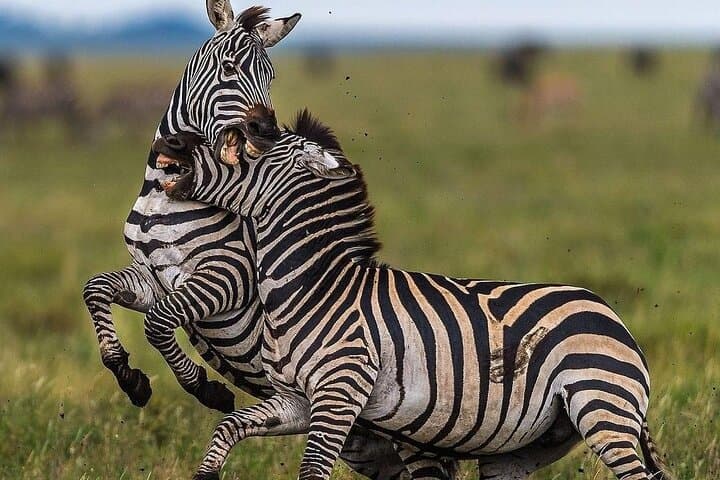
Dawn breaks over red dust and whispering acacias as a Toyota Land Cruiser threads a ribbon of road north from Arusha. The first light finds tall baobabs outlined against open grassland and the low rumble of elephant herds moving through Tarangire’s dry-season funnels. Camp is a tidy cluster of canvas and cooking fires where guides map the next day’s descent into the green bowl of Ngorongoro.
Dawn breaks over red dust and whispering acacias as a Toyota Land Cruiser threads a ribbon of road north from Arusha. The first light finds tall baobabs outlined against open grassland and the low rumble of elephant herds moving through Tarangire’s dry-season funnels. Camp is a tidy cluster of canvas and cooking fires where guides map the next day’s descent into the green bowl of Ngorongoro.
This loop stitches three contrasting East African environments: Tarangire’s elephant-rich woodlands, the volcanic geology of Ngorongoro — a 600-metre-walled caldera with its own microclimate — and Lake Manyara’s soda-lake edge where flamingos and tree-climbing lions stake a claim. The area has long been inhabited by Maasai communities; their grazing patterns and cultural knowledge remain visible at homestead edges and crater rims. Geologically, Ngorongoro is the world’s largest intact caldera, formed when a volcano collapsed roughly two to three million years ago.
Expect game drives from morning light to late afternoon, picnic lunches in shaded sites, and nights at established campsites with provided equipment and a private chef. Wildlife viewing is strongest in the dry months (June–October) when animals concentrate around water. Guides use pop-up roofs for photography and unlimited game-drive mileage to follow movement.
Practical notes: pack layered clothing for chilly crater mornings, carry binoculars and a good camera, and be prepared for unpaved roads. Mobility is moderate — you’ll spend hours standing or sitting on game drives. Respect distance rules around wildlife and follow your guide’s instructions; these landscapes are powerful but fragile, and local communities depend on them.