THE ADVENTURE COLLECTIVE® · Independent discovery and booking for outdoor travel

Cross from Kigali into the moss-draped slopes of Bwindi for a three-day trek that pairs intimate mountain gorilla encounters with a Batwa village visit. Expect steep, muddy trails, expert local trackers, and strict park rules that ensure close—but respectful—views of these rare apes.
Cross from Kigali into the moss-draped slopes of Bwindi for a three-day trek that pairs intimate mountain gorilla encounters with a Batwa village visit. Expect steep, muddy trails, expert local trackers, and strict park rules that ensure close—but respectful—views of these rare apes.
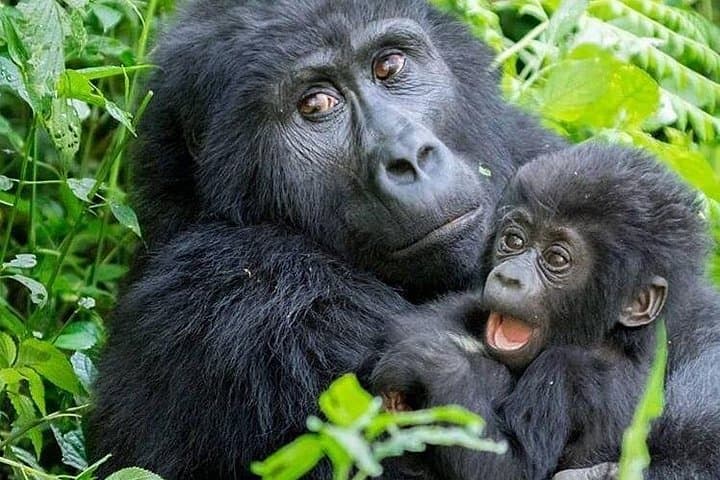
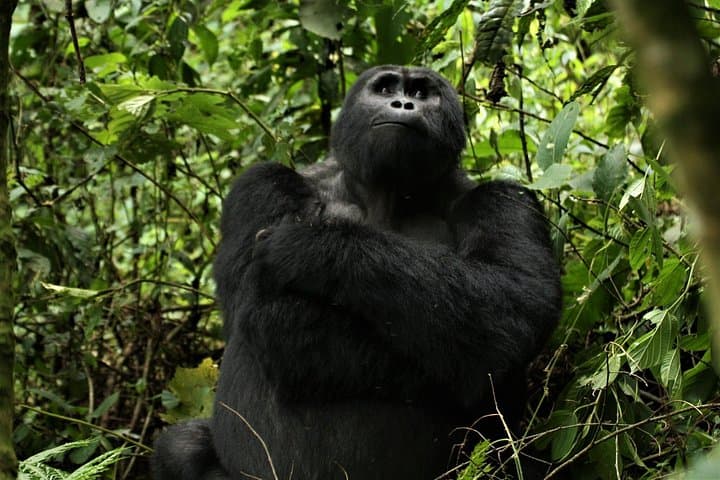
Morning mist clings to the slopes as you cross the border from Kigali and climb toward the shadowed heart of Bwindi. The forest feels alive: ferns whisper underfoot and vines reach like curious hands. By the second day, the canopy tightens and your guides—local trackers whose eyes know the gorilla families—lead you through narrow animal trails until you step into a clearing and meet a silverback’s steady gaze.
Verified experiences and guided adventures in the surrounding area.
Operated by Gorilla Explorers · Kisoro, Kisoro District
Morning mist clings to the slopes as you cross the border from Kigali and climb toward the shadowed heart of Bwindi. The forest feels alive: ferns whisper underfoot and vines reach like curious hands. By the second day, the canopy tightens and your guides—local trackers whose eyes know the gorilla families—lead you through narrow animal trails until you step into a clearing and meet a silverback’s steady gaze.
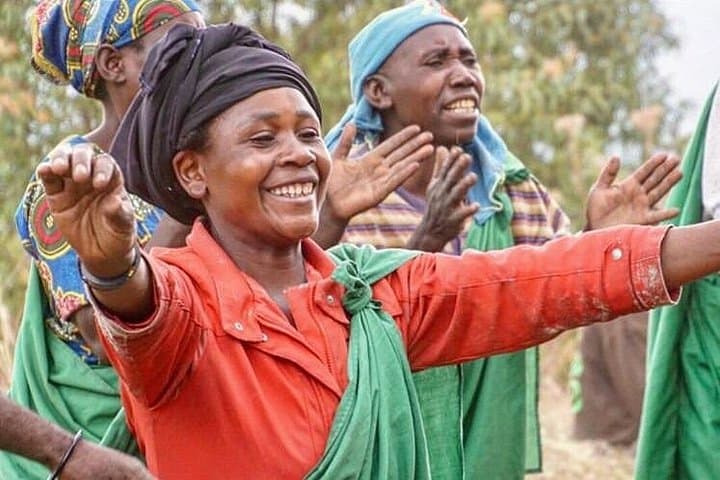
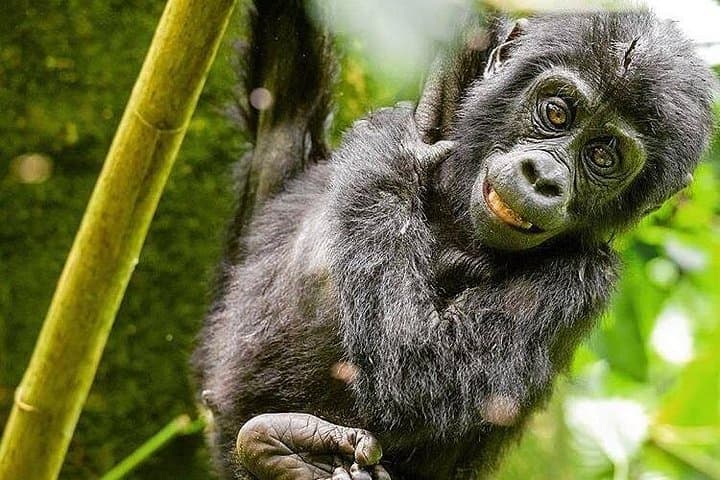
Bwindi Impenetrable National Park protects more than half of the world’s remaining mountain gorillas; its steep ridges and ancient soils are remnants of volcanic activity that shaped the Albertine Rift. The region’s people—Batwa and Bakiga—have long histories of forest stewardship and, increasingly, community tourism partnerships that share both livelihoods and stories.
Practically: expect full-day trekking on uneven, often muddy slopes with 200–800 m of elevation change on search days. Treks have briefings, small guided groups, and strict viewing rules—one hour with a permitted family, quiet voices, and a 7-meter distance unless rangers advise otherwise. Accommodation is typically lodge-based near park edges; operators may include transfers, meals, and permits but always confirm details and permit coverage before booking.
Plan for wet weather, slippery roots and sudden climbs; lightweight rain gear, grippy boots and gaiters will repay every step. Respect the wildlife and local customs—bring small cash for community projects and tipping trackers. The reward is rare: sustained eye contact with a family of mountain gorillas, the hush of the forest, and the human stories that stitch conservation to daily life.
moderate.
3 days.
Moderate fitness; able to hike 4–8 hours on uneven, steep and muddy trails with short bursts of exertion
Yes—gorilla permits are required and limited; confirm with your operator whether the permit is included in the tour price or must be purchased separately.
Rangers enforce a standard viewing distance of about 7 meters; exceptions are rare and guided—follow ranger instructions to reduce stress on the animals.
Many operators state the treks are suitable for a range of fitness levels, but trails can be physically demanding—short, steep, and muddy—so basic stamina and mobility are important.
Vaccinations and malaria prevention are recommended for travel to the region; consult a travel health clinic for up-to-date advice before departure.
Bwindi was gazetted as a national park in 1991 and is recognized for protecting over half the world’s mountain gorillas; local Batwa communities have long-standing cultural ties to the forest.
Strict permit limits, guided small-group viewing, and community-based tourism help fund protection and give local people a stake in conserving gorillas and habitat.
Gorilla Explorers operates guided outdoor trips and adventures with an emphasis on safety, stewardship, and memorable experiences.
Morning mist clings to the slopes as you cross the border from Kigali and climb toward the shadowed heart of Bwindi. The forest feels alive: ferns whisper underfoot and vines reach like curious hands. By the second day, the canopy tightens and your guides—local trackers whose eyes know the gorilla families—lead you through narrow animal trails until you step into a clearing and meet a silverback’s steady gaze.
Morning mist clings to the slopes as you cross the border from Kigali and climb toward the shadowed heart of Bwindi. The forest feels alive: ferns whisper underfoot and vines reach like curious hands. By the second day, the canopy tightens and your guides—local trackers whose eyes know the gorilla families—lead you through narrow animal trails until you step into a clearing and meet a silverback’s steady gaze.
Bwindi Impenetrable National Park protects more than half of the world’s remaining mountain gorillas; its steep ridges and ancient soils are remnants of volcanic activity that shaped the Albertine Rift. The region’s people—Batwa and Bakiga—have long histories of forest stewardship and, increasingly, community tourism partnerships that share both livelihoods and stories.
Practically: expect full-day trekking on uneven, often muddy slopes with 200–800 m of elevation change on search days. Treks have briefings, small guided groups, and strict viewing rules—one hour with a permitted family, quiet voices, and a 7-meter distance unless rangers advise otherwise. Accommodation is typically lodge-based near park edges; operators may include transfers, meals, and permits but always confirm details and permit coverage before booking.
Plan for wet weather, slippery roots and sudden climbs; lightweight rain gear, grippy boots and gaiters will repay every step. Respect the wildlife and local customs—bring small cash for community projects and tipping trackers. The reward is rare: sustained eye contact with a family of mountain gorillas, the hush of the forest, and the human stories that stitch conservation to daily life.