THE ADVENTURE COLLECTIVE® · Independent discovery and booking for outdoor travel

Track mountain gorillas through dense, mist-swathed rainforest on a three-day expedition based from Buhoma. This practical guide outlines what to expect on the trail, permit logistics, and how to prepare for steep, often muddy terrain.
Track mountain gorillas through dense, mist-swathed rainforest on a three-day expedition based from Buhoma. This practical guide outlines what to expect on the trail, permit logistics, and how to prepare for steep, often muddy terrain.
You step off the vehicle into a humid, green hush: broad-leafed trees drip with moss, vines wrap trunks like rope, and the soil gives underfoot as the forest seems to breathe around you.
Verified experiences and guided adventures in the surrounding area.
Operated by Terrace Uganda Safaris and Tours LTD · Buhoma, Western Region
You step off the vehicle into a humid, green hush: broad-leafed trees drip with moss, vines wrap trunks like rope, and the soil gives underfoot as the forest seems to breathe around you.
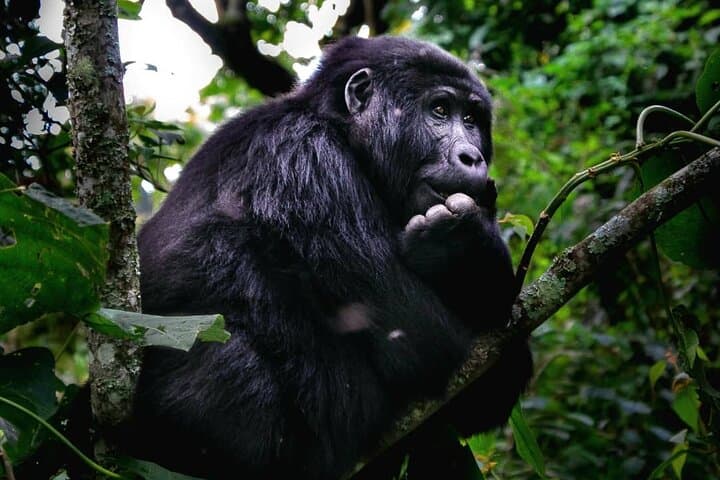
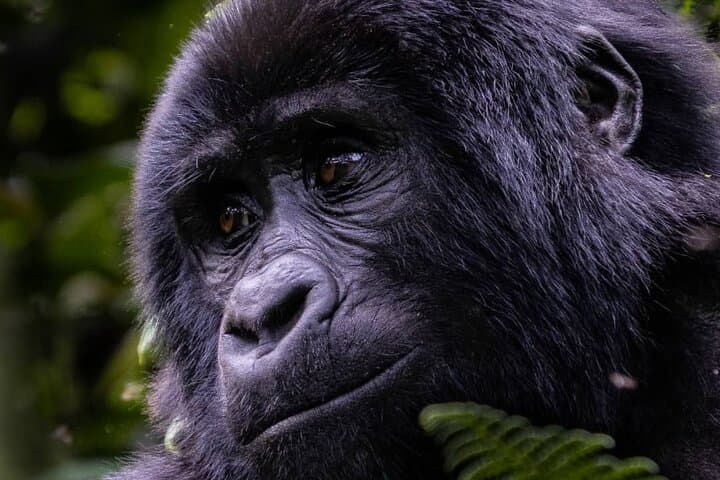
Bwindi’s understory presses close; every rustle could be a bird or a troop of monkeys, but you are here for the gorillas—the slow, deliberate presence at the heart of this ancient forest. The park rises from roughly 1,160 to 2,607 meters, its slopes carved by volcanic activity and time into steep ridges and valleys; fog often crowns the canopy, and visibility can change minute by minute.
Human history here is woven with resilience: communities around Buhoma have long managed forest access, and Bwindi gained national-park status in 1991 to protect about half the world’s mountain gorillas. Cultural stops—like Igongo on the return to Kampala—offer insight into western Uganda’s crafts and food.
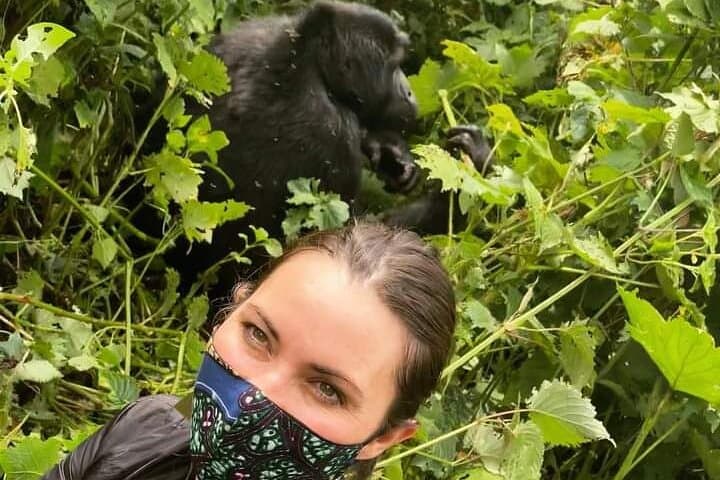
Practically: permits are required and typically arranged ahead; expect a dawn start, variable trekking time from one to six hours, and muddy, steep terrain. Hire a porter if you have heavy gear or limited mobility. Guides will brief you on etiquette—no sudden movements, no flash photography, and a regulated one-hour observation window at a safe distance.
Pack waterproof layers, sturdy ankle-support boots, insect repellent, water, and snacks; bring a camera with a telephoto lens and respect the animals’ space. Arrive a day early in Kampala or Kisoro to acclimatize; the forest demands patience, steady breathing, and reverence more than speed.
moderate.
3 days.
Participants should have a moderate level of fitness—comfortable walking on uneven, steep and muddy trails for several hours.
Yes—gorilla permits are mandatory, limited in number, and often arranged before travel; this tour includes the permit in its inclusions.
Trekking time varies widely—from under an hour to a full day—depending on gorilla movements; expect steep, uneven and muddy conditions and plan accordingly.
Uganda’s minimum age for gorilla trekking is typically 15 years; children under the limit cannot join gorilla-viewing groups for conservation and safety reasons.
Yes—porters are available at park headquarters to carry gear and assist on difficult sections, and guides provided by the park lead each group.
Bwindi Impenetrable National Park was designated a national park in 1991 and later inscribed as a UNESCO World Heritage site for protecting roughly half of the world’s mountain gorillas.
Gorilla permits directly support conservation and community projects; follow guide instructions, avoid leaving the trail, and minimize disturbance to habitats.
Terrace Uganda Safaris and Tours LTD operates guided outdoor trips and adventures with an emphasis on safety, stewardship, and memorable experiences.
You step off the vehicle into a humid, green hush: broad-leafed trees drip with moss, vines wrap trunks like rope, and the soil gives underfoot as the forest seems to breathe around you.
You step off the vehicle into a humid, green hush: broad-leafed trees drip with moss, vines wrap trunks like rope, and the soil gives underfoot as the forest seems to breathe around you.
Bwindi’s understory presses close; every rustle could be a bird or a troop of monkeys, but you are here for the gorillas—the slow, deliberate presence at the heart of this ancient forest. The park rises from roughly 1,160 to 2,607 meters, its slopes carved by volcanic activity and time into steep ridges and valleys; fog often crowns the canopy, and visibility can change minute by minute.
Human history here is woven with resilience: communities around Buhoma have long managed forest access, and Bwindi gained national-park status in 1991 to protect about half the world’s mountain gorillas. Cultural stops—like Igongo on the return to Kampala—offer insight into western Uganda’s crafts and food.
Practically: permits are required and typically arranged ahead; expect a dawn start, variable trekking time from one to six hours, and muddy, steep terrain. Hire a porter if you have heavy gear or limited mobility. Guides will brief you on etiquette—no sudden movements, no flash photography, and a regulated one-hour observation window at a safe distance.
Pack waterproof layers, sturdy ankle-support boots, insect repellent, water, and snacks; bring a camera with a telephoto lens and respect the animals’ space. Arrive a day early in Kampala or Kisoro to acclimatize; the forest demands patience, steady breathing, and reverence more than speed.