THE ADVENTURE COLLECTIVE® · Independent discovery and booking for outdoor travel

Trek through Bwindi’s dense, mist-slick forest to meet endangered mountain gorillas on an intimate, ranger-led excursion. This three-day circuit combines long scenic drives, local culture with the Batwa, and a full day of guided trekking to see gorilla families in the wild.
Trek through Bwindi’s dense, mist-slick forest to meet endangered mountain gorillas on an intimate, ranger-led excursion. This three-day circuit combines long scenic drives, local culture with the Batwa, and a full day of guided trekking to see gorilla families in the wild.
Mist hangs low between strangler figs as trackers whistle through the undergrowth and the forest seems to breathe around you. On day two of this three-day circuit you leave the open road for narrow, root-strewn trails; vines tug at sleeves, streams dare you to step surefooted, and the forest pushes you deeper toward a family of mountain gorillas.
Verified experiences and guided adventures in the surrounding area.
Operated by Bush craft Safaris · Kisoro, Kisoro District
Mist hangs low between strangler figs as trackers whistle through the undergrowth and the forest seems to breathe around you. On day two of this three-day circuit you leave the open road for narrow, root-strewn trails; vines tug at sleeves, streams dare you to step surefooted, and the forest pushes you deeper toward a family of mountain gorillas.
Bwindi sits on the western edge of the Albertine Rift, its steep valleys carved from ancient volcanic and metamorphic rock. The park’s dense, moss-draped canopy shelters species found nowhere else on Earth and has long been home to the Batwa hunter-gatherers—whose songs and knowledge of the forest add a human layer to the landscape’s story. Colonial-era mapping bypassed this tangled terrain; today, carefully managed tourism and research aim to balance visitor access with protection.
Practically: expect full-day drives from Kampala or Entebbe, rugged trails at roughly 1,100–2,600 m elevation, and trekking windows that vary—some groups find gorillas within an hour, others after a steep half-day. Gorilla permits are required and ranger-led; once with a family, observation time is limited and rules are strict to reduce disease risk. Wear high-traction boots, gaiters, rain protection and bring water, snacks, and a good camera with a quiet shutter. Guides will set the pace; move deliberately, keep voices low, and follow ranger instructions—close encounters are moving but brief. Return to camp that evening with mud on your boots and an unmistakable sense that the forest has just let you in for a moment.
challenging.
Per trek: 3–8 hours; Trip length: 3 days.
Good cardiovascular fitness and steady balance are required—expect steep climbs, slippery roots and sustained walking at altitude.
Yes—permits are mandatory, limited in number, and assigned to specific trekking sectors; buy them through official channels or your tour operator.
Trekking ranges from moderate to very challenging depending on gorilla location—be prepared for steep, muddy terrain and several hours of hiking at elevation.
Age policies vary but most authorities restrict permits to children aged 15 and older; check with the operator before booking.
Bwindi hosts colobus monkeys, forest elephants in rare sightings, numerous bird species, and small primates—bring binoculars for quieter wildlife viewing.
Bwindi was designated a national park in 1991 to protect its unique montane forest and endangered mountain gorillas; the Batwa people have lived in these forests for millennia.
Gorilla tourism funds park protection and local community projects, but strict hygiene and visitation limits are enforced to reduce human-to-wildlife disease transmission.
Bush craft Safaris operates guided outdoor trips and adventures with an emphasis on safety, stewardship, and memorable experiences.
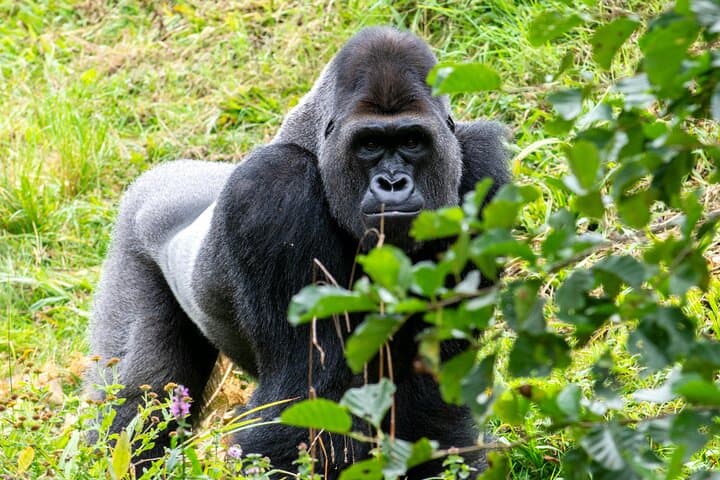
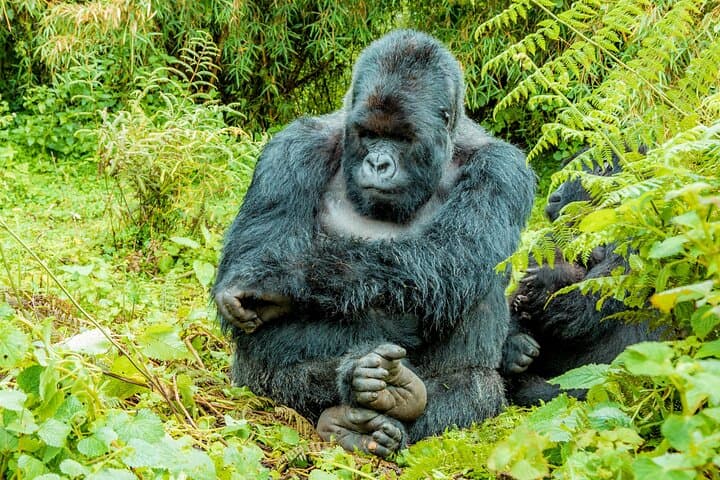
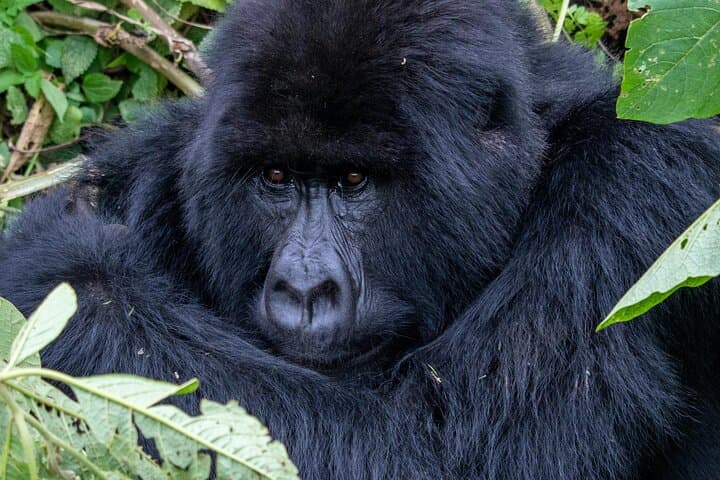
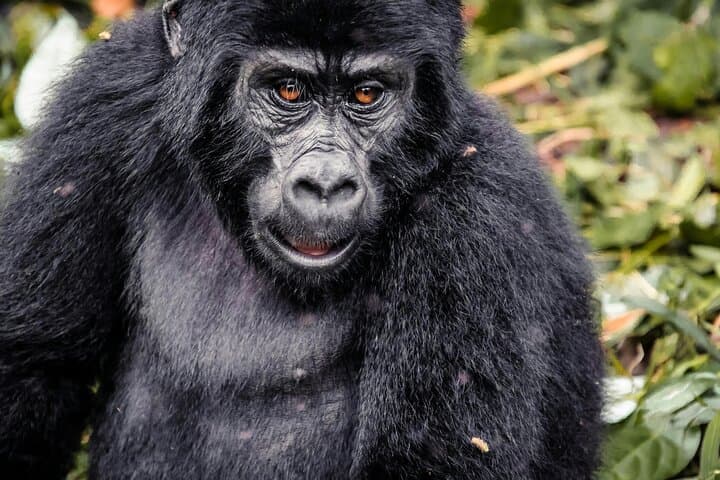
Mist hangs low between strangler figs as trackers whistle through the undergrowth and the forest seems to breathe around you. On day two of this three-day circuit you leave the open road for narrow, root-strewn trails; vines tug at sleeves, streams dare you to step surefooted, and the forest pushes you deeper toward a family of mountain gorillas.
Mist hangs low between strangler figs as trackers whistle through the undergrowth and the forest seems to breathe around you. On day two of this three-day circuit you leave the open road for narrow, root-strewn trails; vines tug at sleeves, streams dare you to step surefooted, and the forest pushes you deeper toward a family of mountain gorillas.
Bwindi sits on the western edge of the Albertine Rift, its steep valleys carved from ancient volcanic and metamorphic rock. The park’s dense, moss-draped canopy shelters species found nowhere else on Earth and has long been home to the Batwa hunter-gatherers—whose songs and knowledge of the forest add a human layer to the landscape’s story. Colonial-era mapping bypassed this tangled terrain; today, carefully managed tourism and research aim to balance visitor access with protection.
Practically: expect full-day drives from Kampala or Entebbe, rugged trails at roughly 1,100–2,600 m elevation, and trekking windows that vary—some groups find gorillas within an hour, others after a steep half-day. Gorilla permits are required and ranger-led; once with a family, observation time is limited and rules are strict to reduce disease risk. Wear high-traction boots, gaiters, rain protection and bring water, snacks, and a good camera with a quiet shutter. Guides will set the pace; move deliberately, keep voices low, and follow ranger instructions—close encounters are moving but brief. Return to camp that evening with mud on your boots and an unmistakable sense that the forest has just let you in for a moment.