THE ADVENTURE COLLECTIVE® · Independent discovery and booking for outdoor travel

Spend three days tracking mountain gorillas through Uganda’s mist-steeped Bwindi Impenetrable Forest. This compact guide covers what to expect on the trail, cultural touches with local Batwa communities, and practical preparation tips for a once-in-a-lifetime wildlife encounter.
Spend three days tracking mountain gorillas through Uganda’s mist-steeped Bwindi Impenetrable Forest. This compact guide covers what to expect on the trail, cultural touches with local Batwa communities, and practical preparation tips for a once-in-a-lifetime wildlife encounter.
Dawn drips through a vaulted canopy as you step from lodge grounds onto a slippery path; mist threads the hills and a distant drumbeat hints at nearby villages. On day two you cross braided streams and climb terraces of moss and fern, following rangers whose radios and tracking dogs read the forest’s signs. Then, quite suddenly, the trees part and a silverback sits within reach, calm and curious, while the rest of the group watches in quiet disbelief.
Verified experiences and guided adventures in the surrounding area.
Operated by Verdoro Safaris Uganda · Bwindi (Buhoma), Western Region
Dawn drips through a vaulted canopy as you step from lodge grounds onto a slippery path; mist threads the hills and a distant drumbeat hints at nearby villages. On day two you cross braided streams and climb terraces of moss and fern, following rangers whose radios and tracking dogs read the forest’s signs. Then, quite suddenly, the trees part and a silverback sits within reach, calm and curious, while the rest of the group watches in quiet disbelief.
Bwindi Impenetrable Forest is an ancient Afromontane rainforest and a UNESCO World Heritage site that protects more than half of the world’s remaining mountain gorillas. Geologically, the park rides a ridge of weathered volcanic slopes, producing steep valleys, boggy gullies and craggy ridgelines that shape unpredictable treks. The region is also home to Batwa communities whose traditional forest knowledge and music enhance cultural visits offered by local guides.
Practically, expect highly variable trekking: encounters can take 2–8 hours depending on gorilla movements and trail conditions. Permits are required and viewing time is strictly one hour per group. Trails are steep, muddy and often narrow—good boots, gaiters and a waterproof layer are essential. Bring snacks, at least 2 liters of water, and a camera with a quiet shutter; rangers enforce minimum distances and hygiene rules to protect gorilla health.
Plan for early starts, flexible schedules and respectful pacing. The reward is intimate wildlife viewing in a living forest that demands both stamina and restraint.
challenging.
3 days (daily treks 2–8 hours).
Good cardiovascular fitness and leg strength recommended; ability to hike on uneven, steep and muddy terrain for several hours.
Yes—gorilla trekking requires an official permit issued by Ugandan authorities; the tour includes the permit in its inclusions.
Trekking can take between 2 and 8 hours depending on gorilla location; once found, visitors spend one regulated hour with the gorilla family.
Not recommended for very young children, pregnant travelers, or those with serious back or heart issues due to terrain and unpredictable exertion.
Yellow fever vaccination is required for entry to Uganda; consult a travel clinic for routine vaccines and malaria prophylaxis, and follow ranger hygiene rules to protect gorillas.
Bwindi protects ancient Afromontane forest and was designated a UNESCO World Heritage Site in 1994 to safeguard mountain gorillas and unique biodiversity.
Tourism is tightly regulated—permits, group size limits and one-hour viewing are enforced to minimize disease and disturbance; choose operators who reinvest in community and conservation.
Verdoro Safaris Uganda operates guided outdoor trips and adventures with an emphasis on safety, stewardship, and memorable experiences.
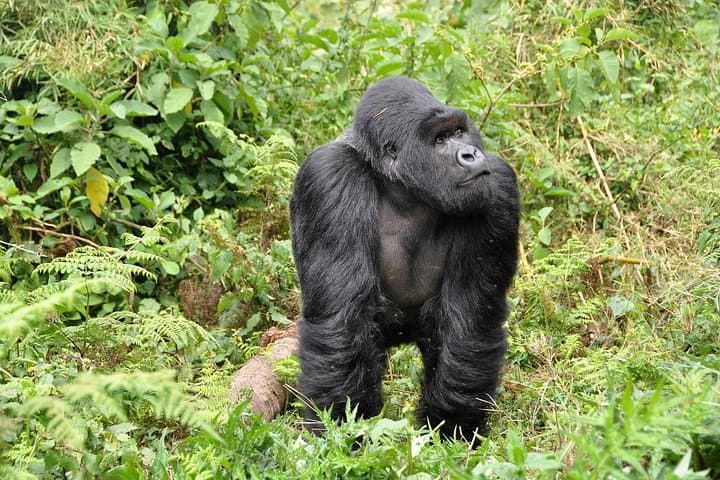
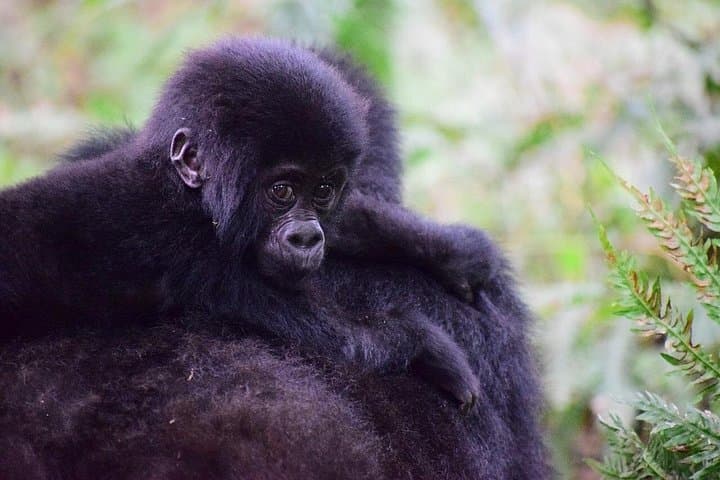
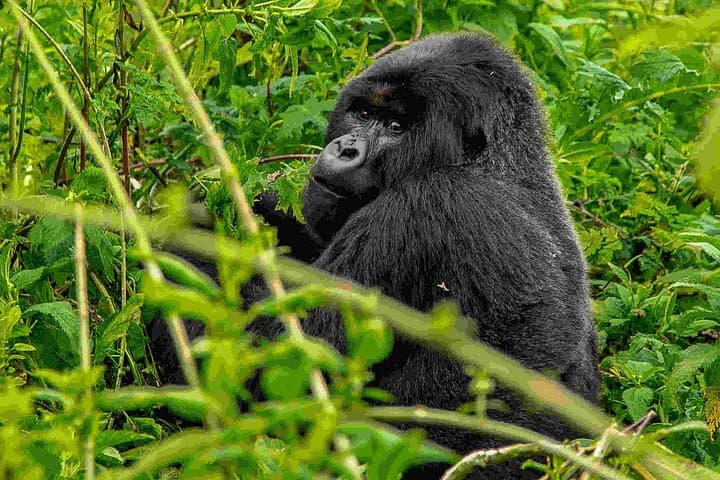
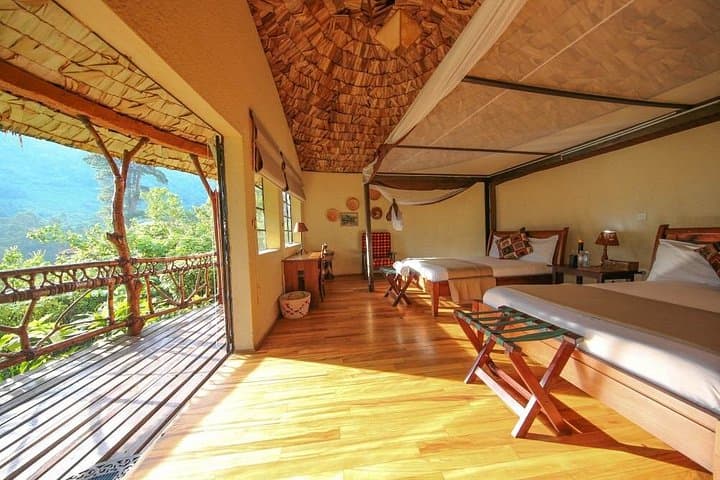
Dawn drips through a vaulted canopy as you step from lodge grounds onto a slippery path; mist threads the hills and a distant drumbeat hints at nearby villages. On day two you cross braided streams and climb terraces of moss and fern, following rangers whose radios and tracking dogs read the forest’s signs. Then, quite suddenly, the trees part and a silverback sits within reach, calm and curious, while the rest of the group watches in quiet disbelief.
Dawn drips through a vaulted canopy as you step from lodge grounds onto a slippery path; mist threads the hills and a distant drumbeat hints at nearby villages. On day two you cross braided streams and climb terraces of moss and fern, following rangers whose radios and tracking dogs read the forest’s signs. Then, quite suddenly, the trees part and a silverback sits within reach, calm and curious, while the rest of the group watches in quiet disbelief.
Bwindi Impenetrable Forest is an ancient Afromontane rainforest and a UNESCO World Heritage site that protects more than half of the world’s remaining mountain gorillas. Geologically, the park rides a ridge of weathered volcanic slopes, producing steep valleys, boggy gullies and craggy ridgelines that shape unpredictable treks. The region is also home to Batwa communities whose traditional forest knowledge and music enhance cultural visits offered by local guides.
Practically, expect highly variable trekking: encounters can take 2–8 hours depending on gorilla movements and trail conditions. Permits are required and viewing time is strictly one hour per group. Trails are steep, muddy and often narrow—good boots, gaiters and a waterproof layer are essential. Bring snacks, at least 2 liters of water, and a camera with a quiet shutter; rangers enforce minimum distances and hygiene rules to protect gorilla health.
Plan for early starts, flexible schedules and respectful pacing. The reward is intimate wildlife viewing in a living forest that demands both stamina and restraint.