THE ADVENTURE COLLECTIVE® · Independent discovery and booking for outdoor travel

A compact, border-crossing safari that pairs golden monkey walks in Volcanoes National Park with gorilla trekking in Bwindi. Expect steep, muddy trails, dramatic rainforest scenery, and strict permit rules — book early.
A compact, border-crossing safari that pairs golden monkey walks in Volcanoes National Park with gorilla trekking in Bwindi. Expect steep, muddy trails, dramatic rainforest scenery, and strict permit rules — book early.
You leave Kigali at dawn and the city’s tidy avenues give way to a landscape that feels older than human plans: steep volcanic ridges, terraced farms, and the low-hanging cloud that the forest wears like a shawl. The drive crosses national boundaries and moods — Rwanda’s highland pastures fade into the dense, green hush of Volcanoes and Bwindi forests where primates shape the day.
Verified experiences and guided adventures in the surrounding area.
Operated by Epic Uganda Vacation · Kigali, Kigali Province
You leave Kigali at dawn and the city’s tidy avenues give way to a landscape that feels older than human plans: steep volcanic ridges, terraced farms, and the low-hanging cloud that the forest wears like a shawl. The drive crosses national boundaries and moods — Rwanda’s highland pastures fade into the dense, green hush of Volcanoes and Bwindi forests where primates shape the day.
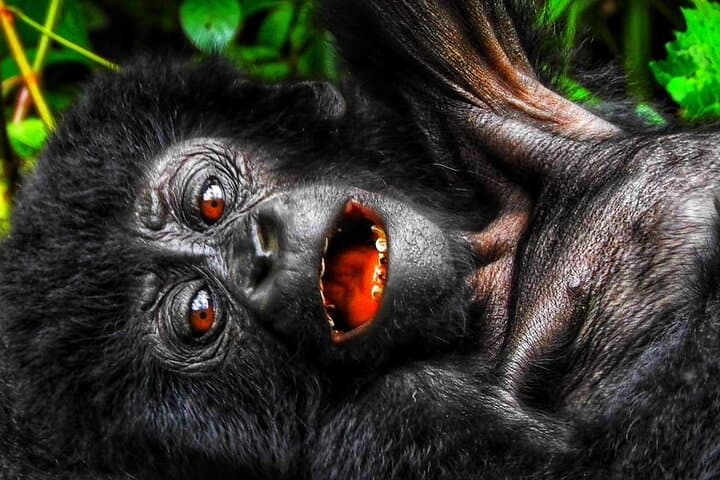
These places sit on the Albertine Rift, a tectonic edge that created rich soils and isolated forests, allowing rare species like mountain gorillas and golden monkeys to evolve. Dian Fossey’s research, centered nearby, brought global attention and a conservation ethic that underpins tourism today. Local communities around the parks have adapted, offering community walks and lodge stays that channel income into anti-poaching and education.
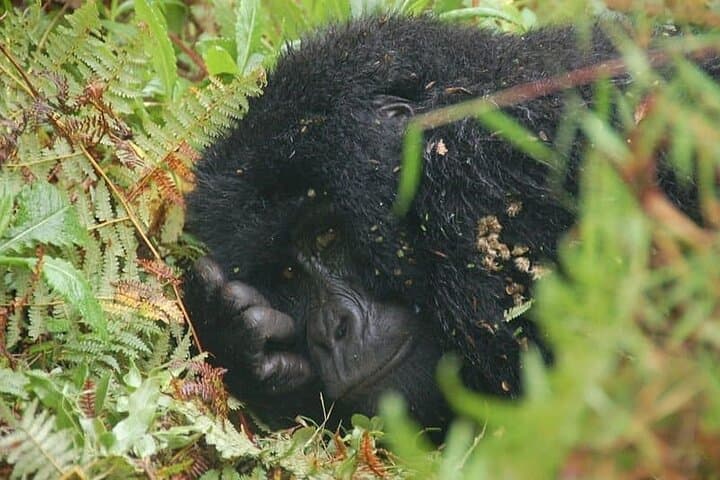
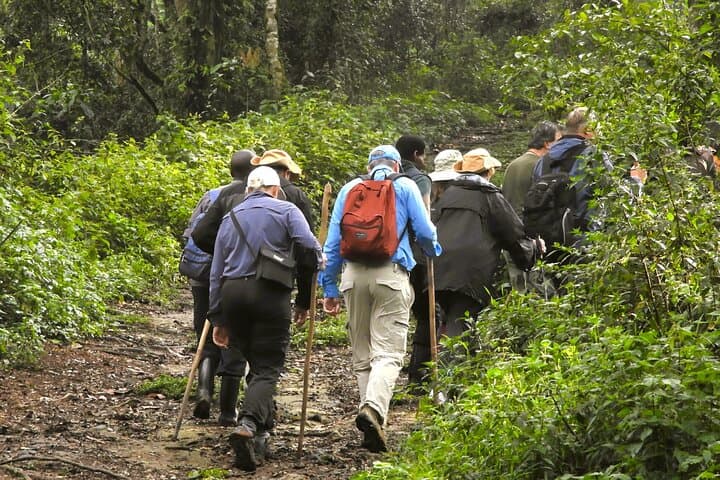
Expect trekking on uneven, often muddy trails with steep steps and root networks; altitudes commonly range from ~1,200–2,600 m in Bwindi and around 2,000–3,000 m in Volcanoes. Track times vary — golden monkey outings can be one to seven hours, gorilla treks from an hour to a full day depending on the group’s movements. Forests will push and open around you: ferns scrape your sleeves, birds call from the canopy, and the gorillas’ presence is immediate and respectfully regulated.
Practical matters: permits are required and limited, so book early; bring rain protection, sturdy boots, and at least 2–3 liters of water per day. Travel light, follow ranger instructions, and allow extra time for the border crossing and road conditions — arriving well-rested before trekking makes the difference between a long day and an unforgettable one.
challenging.
3 days.
Moderately to very fit: able to hike uneven terrain for up to 6–8 hours with elevation changes and muddy sections.
Yes — gorilla permits are mandatory, limited in number, and issued by park authorities; book well in advance through your operator.
Treks vary from short, gentle walks to full-day hikes over steep, muddy terrain; moderate to high fitness and sturdy footwear are recommended.
Guides do everything possible but sightings are not guaranteed; permits and experienced rangers maximize the chance, and many treks result in sightings.
This itinerary includes a border crossing (Rwanda–Uganda); you’ll need a passport and any required visas — confirm visa rules and bring passport details when booking.
Conservation efforts accelerated with Dian Fossey’s work in the 20th century; community-based tourism now funds protection and local livelihoods.
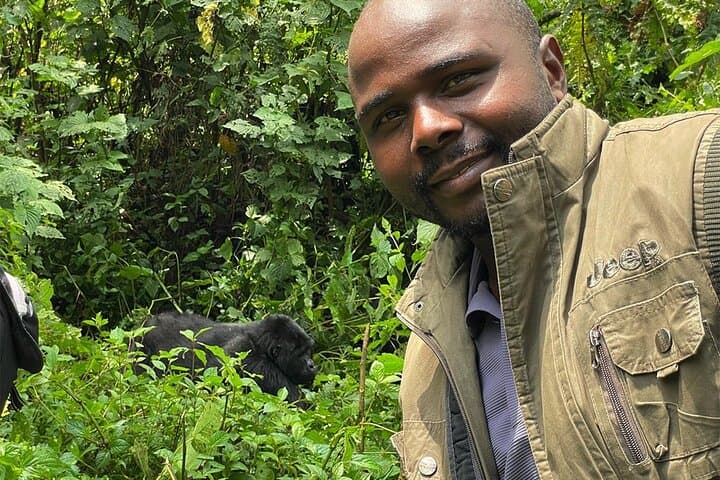
Visits are tightly managed — small group sizes, strict viewing distances and permit systems help minimize disturbance and fund anti-poaching and community programs.
Epic Uganda Vacation operates guided outdoor trips and adventures with an emphasis on safety, stewardship, and memorable experiences.
You leave Kigali at dawn and the city’s tidy avenues give way to a landscape that feels older than human plans: steep volcanic ridges, terraced farms, and the low-hanging cloud that the forest wears like a shawl. The drive crosses national boundaries and moods — Rwanda’s highland pastures fade into the dense, green hush of Volcanoes and Bwindi forests where primates shape the day.
You leave Kigali at dawn and the city’s tidy avenues give way to a landscape that feels older than human plans: steep volcanic ridges, terraced farms, and the low-hanging cloud that the forest wears like a shawl. The drive crosses national boundaries and moods — Rwanda’s highland pastures fade into the dense, green hush of Volcanoes and Bwindi forests where primates shape the day.
These places sit on the Albertine Rift, a tectonic edge that created rich soils and isolated forests, allowing rare species like mountain gorillas and golden monkeys to evolve. Dian Fossey’s research, centered nearby, brought global attention and a conservation ethic that underpins tourism today. Local communities around the parks have adapted, offering community walks and lodge stays that channel income into anti-poaching and education.
Expect trekking on uneven, often muddy trails with steep steps and root networks; altitudes commonly range from ~1,200–2,600 m in Bwindi and around 2,000–3,000 m in Volcanoes. Track times vary — golden monkey outings can be one to seven hours, gorilla treks from an hour to a full day depending on the group’s movements. Forests will push and open around you: ferns scrape your sleeves, birds call from the canopy, and the gorillas’ presence is immediate and respectfully regulated.
Practical matters: permits are required and limited, so book early; bring rain protection, sturdy boots, and at least 2–3 liters of water per day. Travel light, follow ranger instructions, and allow extra time for the border crossing and road conditions — arriving well-rested before trekking makes the difference between a long day and an unforgettable one.