THE ADVENTURE COLLECTIVE® · Independent discovery and booking for outdoor travel

A compact, three-day itinerary that puts Bwindi’s mountain gorillas within reach on a budget. Expect long drives, steep, muddy trails and close, regulated encounters with some of the world’s last wild gorillas.
A compact, three-day itinerary that puts Bwindi’s mountain gorillas within reach on a budget. Expect long drives, steep, muddy trails and close, regulated encounters with some of the world’s last wild gorillas.
Mist hangs low between moss-draped tree trunks as the group steps off the trail and into the hush of Bwindi Impenetrable Forest.
Verified experiences and guided adventures in the surrounding area.
Operated by Bamboo Ecotours · Kabale, Western Region
Mist hangs low between moss-draped tree trunks as the group steps off the trail and into the hush of Bwindi Impenetrable Forest.
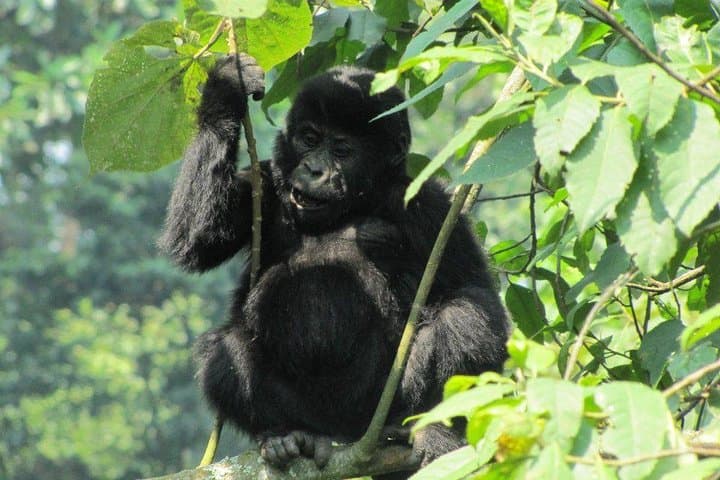
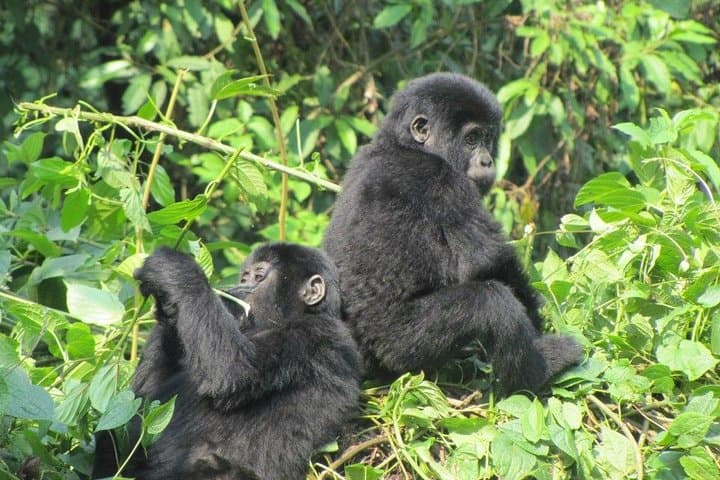
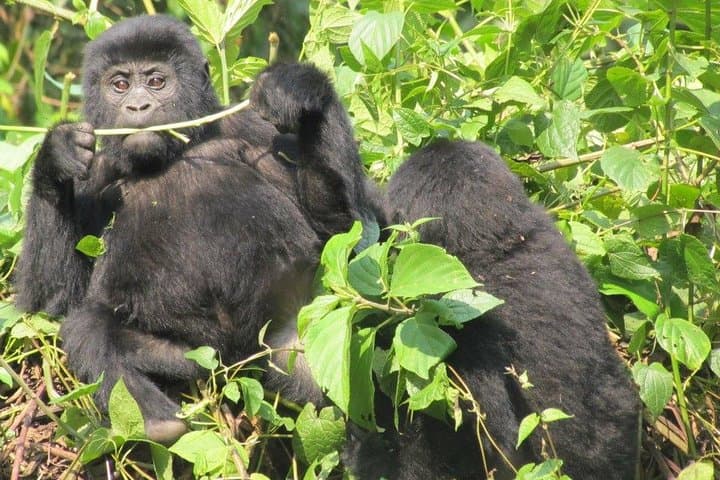
On day two of this compact, budget-minded safari the real work—and reward—begins: a national park briefing, a guided ascent through steep, root-choked slopes and an unpredictable search for a gorilla family. The forest demands steady footing and patience; when the silverback finally lifts his head the moment is immediate, raw and governed by strict park rules.
Bwindi sits on ancient volcanic soils at the edge of the Albertine Rift, a biologically rich highland where steep ridgelines drop into fern-filled valleys. The forest is ancestral land for local Batwa communities and a focal point of Uganda’s mountain gorilla conservation, protected as a UNESCO site since 1994.
Practically, expect long drives from Kampala or Entebbe (8–9 hours), basic budget lodging near the park, and variability—treks can last from a couple of hours to a full day depending on gorilla movements. Permits are required and non-transferable; bring the original permit and ID.
Prepare for muddy trails, sudden rain, and close-up wildlife viewing that requires silence and respect. Sturdy footwear, gaiters, layered waterproofs and a full water supply keep the day manageable.
Timing your visit in drier months reduces slog, but gorillas are year-round residents. Follow guides’ instructions, keep cameras on silent, and save extended celebrations for the lodge—up close, the forest will speak louder than words.
challenging.
Full day (4–10+ hours depending on gorilla location).
Participants should have solid cardiovascular fitness and agility for steep, uneven terrain.
Yes—gorilla trekking permits are required, limited in number, and must be obtained in advance through the Ugandan Wildlife Authority or authorized operators.
Treks vary widely: advance briefings are fixed but actual tracking can take from 2 hours to a full day depending on gorilla movements.
Gorilla trekking is not recommended for pregnant travelers or very young children; check park guidelines and consult your operator for age limits.
Guides commonly speak English and local languages; operators typically provide guides who communicate safety instructions and natural history clearly.
Bwindi’s forest is part of the Albertine Rift, long inhabited by the Batwa people and protected as a UNESCO World Heritage Site for its endemic species.
Gorilla permit fees fund anti-poaching patrols and community projects—follow park rules closely to minimize disturbance and support conservation outcomes.
Bamboo Ecotours operates guided outdoor trips and adventures with an emphasis on safety, stewardship, and memorable experiences.
Mist hangs low between moss-draped tree trunks as the group steps off the trail and into the hush of Bwindi Impenetrable Forest.
Mist hangs low between moss-draped tree trunks as the group steps off the trail and into the hush of Bwindi Impenetrable Forest.
On day two of this compact, budget-minded safari the real work—and reward—begins: a national park briefing, a guided ascent through steep, root-choked slopes and an unpredictable search for a gorilla family. The forest demands steady footing and patience; when the silverback finally lifts his head the moment is immediate, raw and governed by strict park rules.
Bwindi sits on ancient volcanic soils at the edge of the Albertine Rift, a biologically rich highland where steep ridgelines drop into fern-filled valleys. The forest is ancestral land for local Batwa communities and a focal point of Uganda’s mountain gorilla conservation, protected as a UNESCO site since 1994.
Practically, expect long drives from Kampala or Entebbe (8–9 hours), basic budget lodging near the park, and variability—treks can last from a couple of hours to a full day depending on gorilla movements. Permits are required and non-transferable; bring the original permit and ID.
Prepare for muddy trails, sudden rain, and close-up wildlife viewing that requires silence and respect. Sturdy footwear, gaiters, layered waterproofs and a full water supply keep the day manageable.
Timing your visit in drier months reduces slog, but gorillas are year-round residents. Follow guides’ instructions, keep cameras on silent, and save extended celebrations for the lodge—up close, the forest will speak louder than words.