THE ADVENTURE COLLECTIVE® · Independent discovery and booking for outdoor travel

Spend three intense days tracking mountain gorillas in Bwindi Impenetrable National Park, combined with a Batwa cultural walk. This regulated, small-group experience blends wildlife encounters with local cultural insight and requires moderate to strong fitness and a permit.
Spend three intense days tracking mountain gorillas in Bwindi Impenetrable National Park, combined with a Batwa cultural walk. This regulated, small-group experience blends wildlife encounters with local cultural insight and requires moderate to strong fitness and a permit.
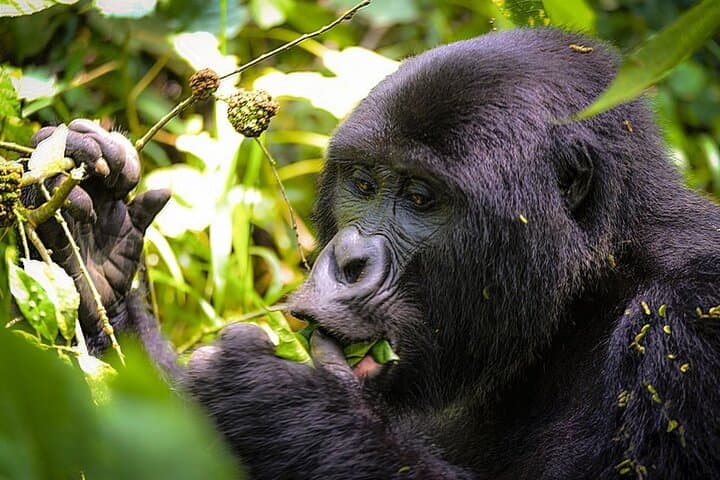
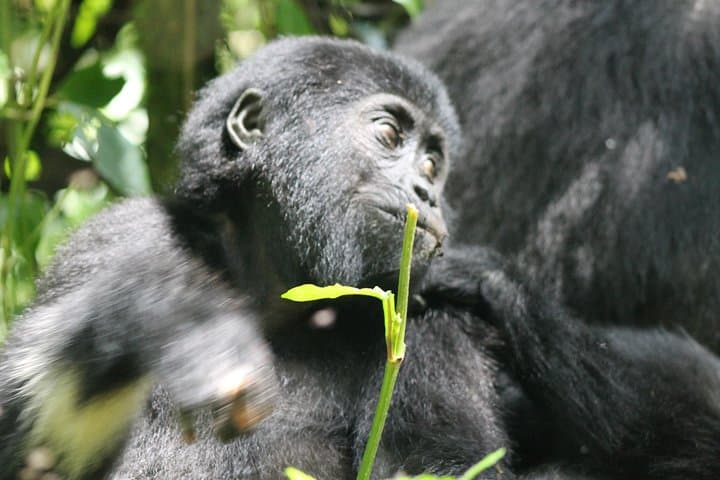
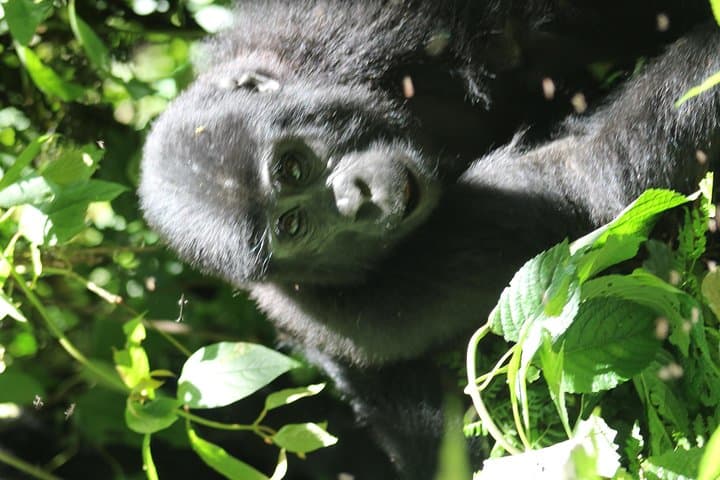
Dawn breaks over steep, moss-furred ridges as your vehicle eases into the narrow lanes above Bwindi. Mist clings to hanging vines and a local guide checks the permit again—today you walk where mountain gorillas move beneath an ancient canopy. Trackers fan out, porters shoulder packs, and the forest tightens into a living room of buttress roots and dripping epiphytes.
Verified experiences and guided adventures in the surrounding area.
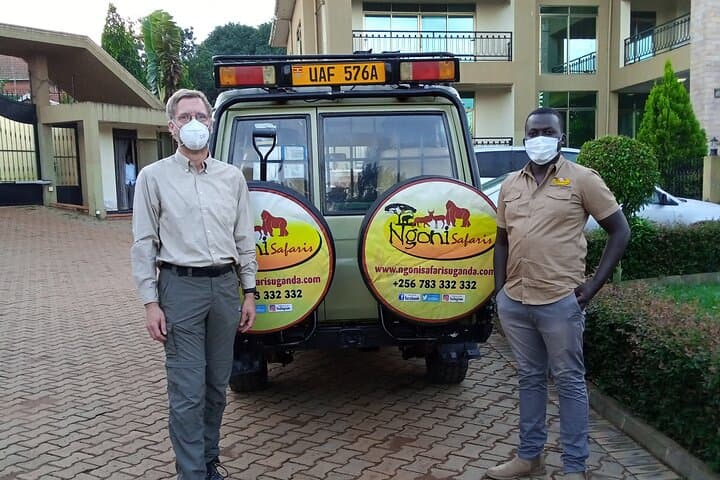
Operated by Ngoni Safaris Uganda · Kisoro, Kisoro District
Dawn breaks over steep, moss-furred ridges as your vehicle eases into the narrow lanes above Bwindi. Mist clings to hanging vines and a local guide checks the permit again—today you walk where mountain gorillas move beneath an ancient canopy. Trackers fan out, porters shoulder packs, and the forest tightens into a living room of buttress roots and dripping epiphytes.
Bwindi Impenetrable National Park sits on the western edge of the Albertine Rift, a geologically old range whose high rainfall and isolation have produced dense montane forest and exceptional biodiversity. The Batwa — forest people with generations of intimate knowledge of this landscape — now offer cultural walks that explain traditional medicine, hunting techniques, and the human cost of protected-area creation.
Practically, this is regulated wildlife tourism: gorilla permits (limited daily, often expensive) are mandatory, groups of up to eight observe a single family for one hour, and experienced trackers frontload the time in the forest so your encounter is efficient. Treks vary from short forest strolls to steep, muddy ascents; expect 2–6 hours on foot depending on gorilla movement. Accommodation clusters around Rushaga and nearby lodges provide early breakfasts and transport; the journey from Kampala is long (8–10 hours by road) so the itinerary staggers travel with overnight stops.
Bring sturdy, waterproof boots, rain protection, insect repellent, and layers for rapid temperature shifts. Follow guide directions closely—keep distance, silence cameras’ flashes, and allow the trackers to lead. The payoff is rare: a close, respectful hour with one of the planet’s largest remaining populations of wild mountain gorillas and a compact cultural window into the Batwa way of life.
challenging.
3 days.
You should be in good aerobic shape and comfortable with several hours of uneven, steep hiking; flexibility to handle mud and slippery roots is important.
Yes—an official gorilla permit is required for entry and one-hour viewing; secure it before arrival as daily quotas are limited.
Treks commonly last 2–6 hours round-trip but can be shorter or longer depending on gorilla movement and trail conditions.
Guided treks follow strict protocols (distance, silence, no food). Gorillas are generally tolerant but rules exist to minimize disease transmission and stress.
Yes—many operators include Batwa village visits or cultural walks to learn about traditional knowledge and local crafts as part of the multi-day itinerary.
Bwindi was designated a national park in 1991 to protect remnant montane forest and remaining mountain gorillas; creation affected Batwa traditional land use.
Gorilla tourism is tightly controlled—permit revenue supports park management and community projects; visitors should follow low-impact practices to reduce disease and habitat disturbance.
Ngoni Safaris Uganda operates guided outdoor trips and adventures with an emphasis on safety, stewardship, and memorable experiences.
Dawn breaks over steep, moss-furred ridges as your vehicle eases into the narrow lanes above Bwindi. Mist clings to hanging vines and a local guide checks the permit again—today you walk where mountain gorillas move beneath an ancient canopy. Trackers fan out, porters shoulder packs, and the forest tightens into a living room of buttress roots and dripping epiphytes.
Dawn breaks over steep, moss-furred ridges as your vehicle eases into the narrow lanes above Bwindi. Mist clings to hanging vines and a local guide checks the permit again—today you walk where mountain gorillas move beneath an ancient canopy. Trackers fan out, porters shoulder packs, and the forest tightens into a living room of buttress roots and dripping epiphytes.
Bwindi Impenetrable National Park sits on the western edge of the Albertine Rift, a geologically old range whose high rainfall and isolation have produced dense montane forest and exceptional biodiversity. The Batwa — forest people with generations of intimate knowledge of this landscape — now offer cultural walks that explain traditional medicine, hunting techniques, and the human cost of protected-area creation.
Practically, this is regulated wildlife tourism: gorilla permits (limited daily, often expensive) are mandatory, groups of up to eight observe a single family for one hour, and experienced trackers frontload the time in the forest so your encounter is efficient. Treks vary from short forest strolls to steep, muddy ascents; expect 2–6 hours on foot depending on gorilla movement. Accommodation clusters around Rushaga and nearby lodges provide early breakfasts and transport; the journey from Kampala is long (8–10 hours by road) so the itinerary staggers travel with overnight stops.
Bring sturdy, waterproof boots, rain protection, insect repellent, and layers for rapid temperature shifts. Follow guide directions closely—keep distance, silence cameras’ flashes, and allow the trackers to lead. The payoff is rare: a close, respectful hour with one of the planet’s largest remaining populations of wild mountain gorillas and a compact cultural window into the Batwa way of life.