THE ADVENTURE COLLECTIVE® · Independent discovery and booking for outdoor travel

Spend three days traveling from Kigali to Bwindi to track mountain gorillas on steep forest trails and spend an hour with a habituated group. This short expedition blends early morning treks, community insights, and practical conservation-focused guidelines to help you prepare.
Spend three days traveling from Kigali to Bwindi to track mountain gorillas on steep forest trails and spend an hour with a habituated group. This short expedition blends early morning treks, community insights, and practical conservation-focused guidelines to help you prepare.
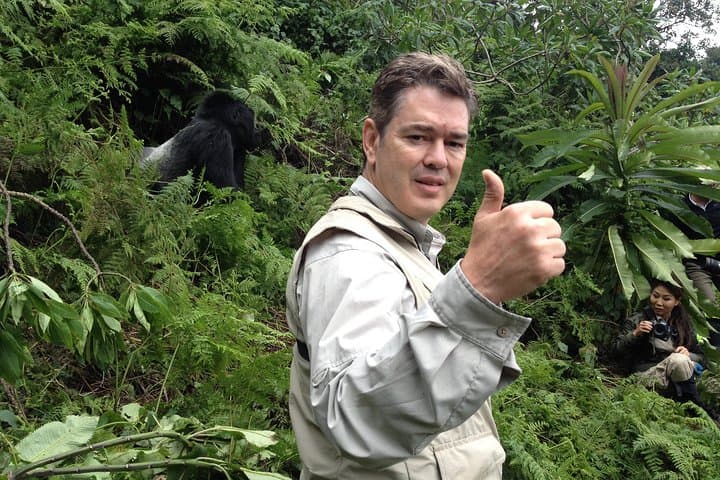
Morning mist clings to the ferns as a handful of trekkers step off the park track and into a green hush. The forest closes in—ferns, moss-laden trunks and lianas threading the slopes—and you move quietly, following tracker boots and a guide’s low voice. In Bwindi Impenetrable National Park, the landscape feels alive: trees lean, vines tangle, and the forest seems to test your attention as much as your legs.
Verified experiences and guided adventures in the surrounding area.
Operated by VIRUNGA ECOTOURS · Kisoro, Kisoro District
Morning mist clings to the ferns as a handful of trekkers step off the park track and into a green hush. The forest closes in—ferns, moss-laden trunks and lianas threading the slopes—and you move quietly, following tracker boots and a guide’s low voice. In Bwindi Impenetrable National Park, the landscape feels alive: trees lean, vines tangle, and the forest seems to test your attention as much as your legs.
Bwindi is ancient rain forest on the Albertine Rift, with elevations from roughly 1,160–2,600 m and steep, often muddy trails carved by streams. Designated a UNESCO World Heritage Site in 1994, the park protects critical mountain gorilla habitat and supports Batwa and Bakiga cultural communities nearby. Geologically, the high ridges and deep valleys are a product of rift uplift and heavy tropical rainfall; culturally, villages around Bwindi offer simple homestays and community walks that give context to the trackers’ knowledge.
Practically, expect early starts, a full-day of trekking that can include several hundred meters of elevation change, and an hour observing habituated gorilla groups once permits and guides locate them. Trails range from gentle forest paths to slippery, steep climbs—gaiters and poles help. Respect guiding rules: keep distance, limit noise, and never use flash. Hydrate, layer for rain and cooler high-elevation air, and carry any necessary medical supplies; guides will screen for illness to protect gorillas.
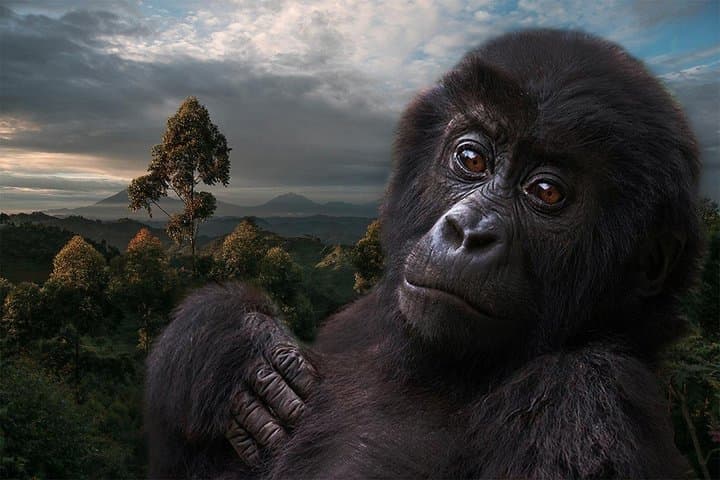
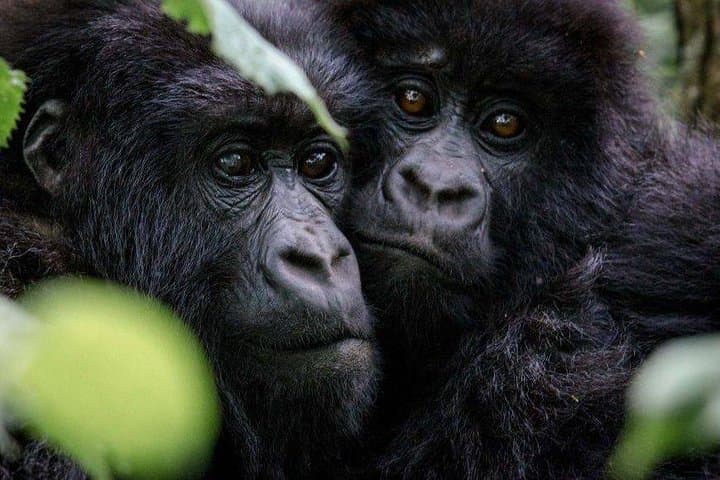
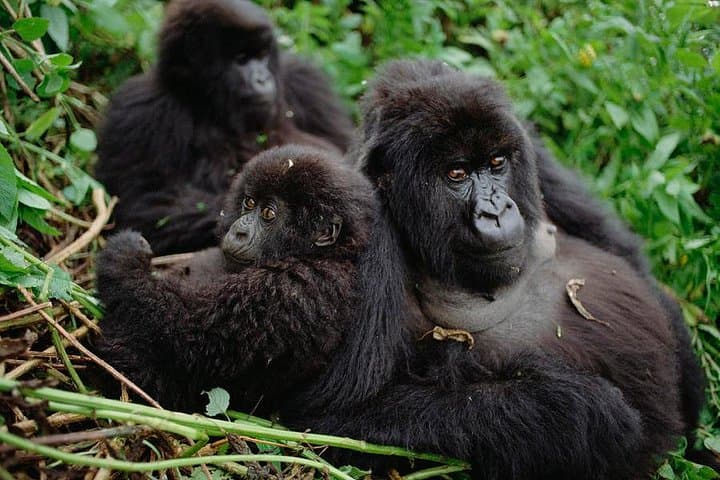
For travelers, combining two nights at a forest lodge with a transfer from Kigali optimizes tracking windows. The reward—close, patient eyes on a gorilla family in their primeval home—is both humbling and practical: it’s conservation-tourism that funds protection and local livelihoods.
moderate.
3 days.
Moderate fitness — able to hike uneven, steep trails for several hours at elevation; short bursts of strength and stamina required.
Yes — a gorilla permit is required for tracking and is limited in number; operators often book it for you but confirm inclusion before payment.
Tracking time varies: it can be as short as an hour or several hours depending on gorilla movement; once found, visitors get one hour with the group.
Many operators set age minimums and parks recommend participants be in reasonably good health; those with serious cardiovascular issues should avoid tracking due to variable, strenuous terrain.
Dry months (June–September and December–February) make trails less slippery, but gorilla viewing is possible year-round; expect more rain March–May and October–November.
Bwindi became a national park in 1991 and a UNESCO World Heritage Site in 1994, recognized for its unique mountain gorilla populations and high biodiversity.
Tourism revenue from permits supports anti-poaching, community development and gorilla monitoring; visitors should follow guidelines to minimize disease transmission and habitat disturbance.
VIRUNGA ECOTOURS operates guided outdoor trips and adventures with an emphasis on safety, stewardship, and memorable experiences.
Morning mist clings to the ferns as a handful of trekkers step off the park track and into a green hush. The forest closes in—ferns, moss-laden trunks and lianas threading the slopes—and you move quietly, following tracker boots and a guide’s low voice. In Bwindi Impenetrable National Park, the landscape feels alive: trees lean, vines tangle, and the forest seems to test your attention as much as your legs.
Morning mist clings to the ferns as a handful of trekkers step off the park track and into a green hush. The forest closes in—ferns, moss-laden trunks and lianas threading the slopes—and you move quietly, following tracker boots and a guide’s low voice. In Bwindi Impenetrable National Park, the landscape feels alive: trees lean, vines tangle, and the forest seems to test your attention as much as your legs.
Bwindi is ancient rain forest on the Albertine Rift, with elevations from roughly 1,160–2,600 m and steep, often muddy trails carved by streams. Designated a UNESCO World Heritage Site in 1994, the park protects critical mountain gorilla habitat and supports Batwa and Bakiga cultural communities nearby. Geologically, the high ridges and deep valleys are a product of rift uplift and heavy tropical rainfall; culturally, villages around Bwindi offer simple homestays and community walks that give context to the trackers’ knowledge.
Practically, expect early starts, a full-day of trekking that can include several hundred meters of elevation change, and an hour observing habituated gorilla groups once permits and guides locate them. Trails range from gentle forest paths to slippery, steep climbs—gaiters and poles help. Respect guiding rules: keep distance, limit noise, and never use flash. Hydrate, layer for rain and cooler high-elevation air, and carry any necessary medical supplies; guides will screen for illness to protect gorillas.
For travelers, combining two nights at a forest lodge with a transfer from Kigali optimizes tracking windows. The reward—close, patient eyes on a gorilla family in their primeval home—is both humbling and practical: it’s conservation-tourism that funds protection and local livelihoods.