THE ADVENTURE COLLECTIVE® · Independent discovery and booking for outdoor travel

Spend three days tracking mountain gorillas in Bwindi Impenetrable National Park and unwinding on the peaceful waters of Lake Bunyonyi. This compact itinerary pairs once-in-a-lifetime wildlife encounters with lakeside relaxation and practical travel logistics.
Spend three days tracking mountain gorillas in Bwindi Impenetrable National Park and unwinding on the peaceful waters of Lake Bunyonyi. This compact itinerary pairs once-in-a-lifetime wildlife encounters with lakeside relaxation and practical travel logistics.
Morning mist sits in the mossy branches as you step from the lodge into Bwindi’s dense green—leaves glisten, the air smells of wet earth, and distant bird notes pull you along narrow trails. A ranger leads the way into the forest where every bend could reveal a family of mountain gorillas; trunks and vines seem to lean in, curious, as you approach.
Verified experiences and guided adventures in the surrounding area.
Operated by Gorilla Backbone Safaris · Kabale, Western Region
Morning mist sits in the mossy branches as you step from the lodge into Bwindi’s dense green—leaves glisten, the air smells of wet earth, and distant bird notes pull you along narrow trails. A ranger leads the way into the forest where every bend could reveal a family of mountain gorillas; trunks and vines seem to lean in, curious, as you approach.
Bwindi Impenetrable National Park is a UNESCO World Heritage Site formed by ancient volcanic activity and long-term forest growth, producing steep ridges and fertile valleys. The region’s Kiga and Bakiga cultures have lived alongside these forests for generations; local guides often combine natural history with stories of the land and its role in conservation.
Practical guidance shapes the second half of the journey: gorilla permits are required and time-limited, so plan bookings well in advance. Treks can last from a few hours to most of the day, across uneven, often muddy terrain and steep slopes—expect rooted paths and occasional creek crossings. Bring layered breathable clothing, sturdy boots, and a rain shell; a walking stick helps on descents.
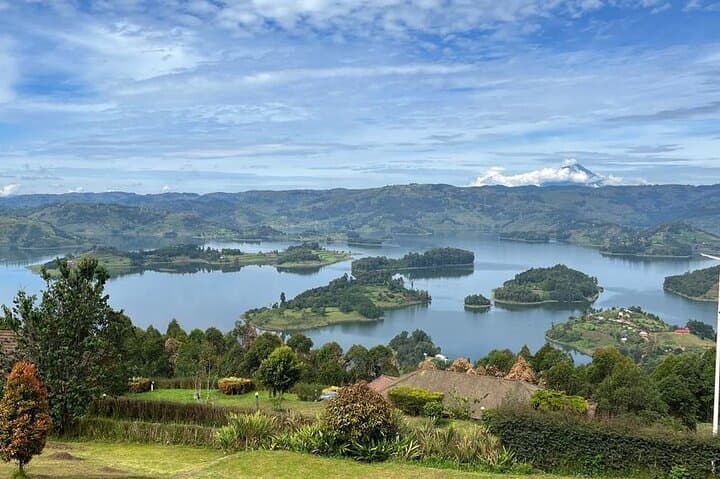
After the forest, Lake Bunyonyi offers calm contrast—mirror-flat water punctuated by 29 islands, ideal for a late-afternoon boat ride, birdwatching, or a quiet swim to loosen sore muscles. Travel days include long drives across rolling highland roads; factor transit time into arrival and departure plans. Respect park rules: stay the mandated distance from gorillas, limit group noise, and follow ranger instructions—your behavior protects this fragile population and ensures future visits.
challenging.
3 days (full days of trekking and travel).
Participants should have a good baseline fitness level: able to hike 4–6 hours over uneven terrain with elevation change.
Yes—gorilla permits are required and issued by Uganda Wildlife Authority; they limit daily numbers and must be purchased in advance.
Treks vary widely—from 2 hours to most of a day—depending on gorilla group location; expect several hours of hiking and up to one hour with the gorillas.
Permits often restrict very young children and pregnant travelers for safety; check specific park regulations and consult your tour operator.
Consult a travel clinic for up-to-date advice—yellow fever vaccination may be required, and malaria prophylaxis, routine vaccines, and travel insurance are strongly recommended.
Bwindi’s forest has supported human settlement for centuries and was designated a UNESCO site in 1994 to protect its unique primate population.
Gorilla permits, regulated group sizes, and ranger-led treks minimize disturbance; visitors should follow rules to reduce disease transmission and habitat impact.
Gorilla Backbone Safaris operates guided outdoor trips and adventures with an emphasis on safety, stewardship, and memorable experiences.
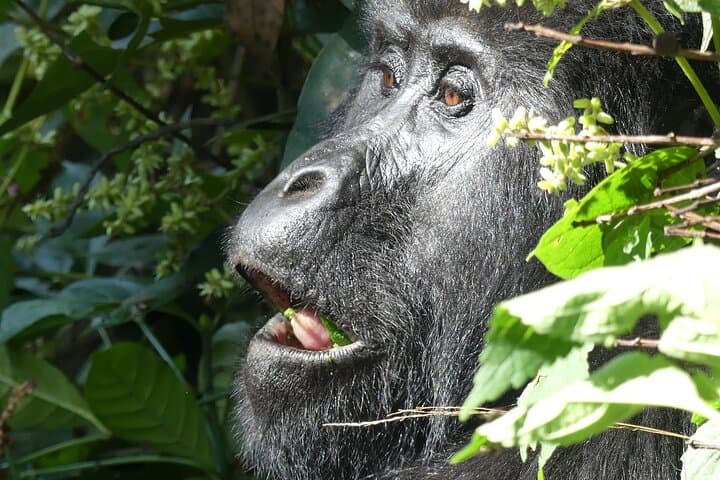
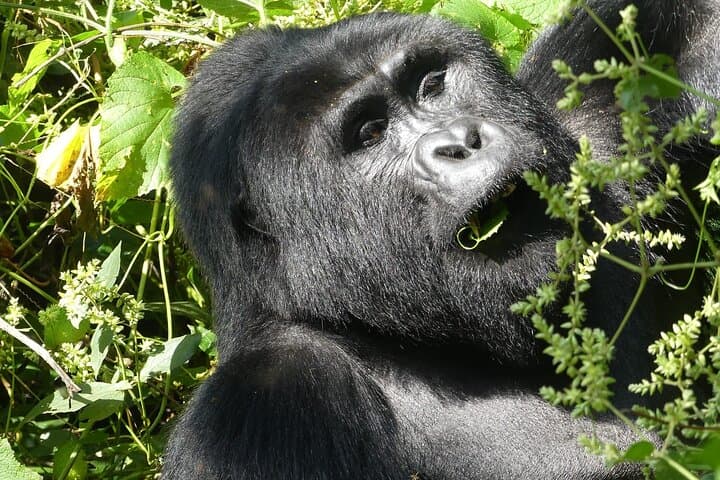
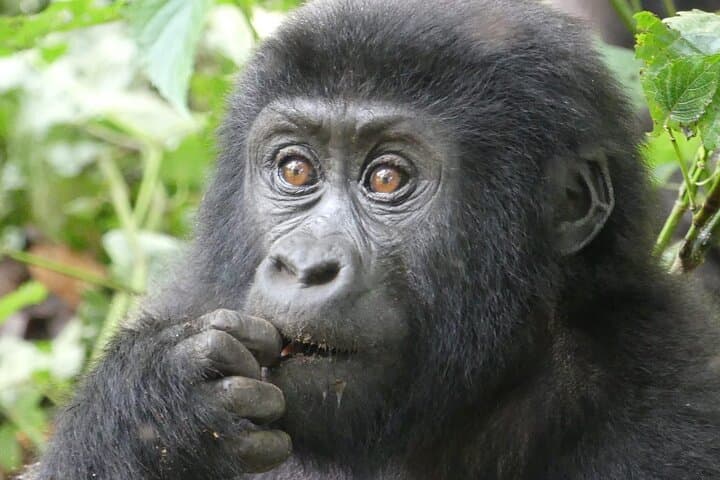
Morning mist sits in the mossy branches as you step from the lodge into Bwindi’s dense green—leaves glisten, the air smells of wet earth, and distant bird notes pull you along narrow trails. A ranger leads the way into the forest where every bend could reveal a family of mountain gorillas; trunks and vines seem to lean in, curious, as you approach.
Morning mist sits in the mossy branches as you step from the lodge into Bwindi’s dense green—leaves glisten, the air smells of wet earth, and distant bird notes pull you along narrow trails. A ranger leads the way into the forest where every bend could reveal a family of mountain gorillas; trunks and vines seem to lean in, curious, as you approach.
Bwindi Impenetrable National Park is a UNESCO World Heritage Site formed by ancient volcanic activity and long-term forest growth, producing steep ridges and fertile valleys. The region’s Kiga and Bakiga cultures have lived alongside these forests for generations; local guides often combine natural history with stories of the land and its role in conservation.
Practical guidance shapes the second half of the journey: gorilla permits are required and time-limited, so plan bookings well in advance. Treks can last from a few hours to most of the day, across uneven, often muddy terrain and steep slopes—expect rooted paths and occasional creek crossings. Bring layered breathable clothing, sturdy boots, and a rain shell; a walking stick helps on descents.
After the forest, Lake Bunyonyi offers calm contrast—mirror-flat water punctuated by 29 islands, ideal for a late-afternoon boat ride, birdwatching, or a quiet swim to loosen sore muscles. Travel days include long drives across rolling highland roads; factor transit time into arrival and departure plans. Respect park rules: stay the mandated distance from gorillas, limit group noise, and follow ranger instructions—your behavior protects this fragile population and ensures future visits.