THE ADVENTURE COLLECTIVE® · Independent discovery and booking for outdoor travel

A compact three-day safari that carries you from Kampala to the dense slopes of Bwindi for a guided gorilla trek. Expect steep, muddy trails, strict permit rules and a rare face-to-face with a mountain gorilla family.
A compact three-day safari that carries you from Kampala to the dense slopes of Bwindi for a guided gorilla trek. Expect steep, muddy trails, strict permit rules and a rare face-to-face with a mountain gorilla family.
You step off the dusty road into a forest that resists the sky—trees crowd close, roots braid underfoot and a cool damp breath rises from the understory.
Verified experiences and guided adventures in the surrounding area.
Operated by Irembo Africa Safaris · Buhoma, Kanungu District
You step off the dusty road into a forest that resists the sky—trees crowd close, roots braid underfoot and a cool damp breath rises from the understory.
This three-day itinerary moves you from Kampala’s bustle into Bwindi Impenetrable Forest, where mossy trunks and mist carve a slow rhythm and the goal—the mountain gorilla—waits in family groups watched by vigilant trackers.
Bwindi’s slopes are ancient: a remnant of tropical forest pushed into the Albertine Rift, carved by tectonics and persistent rain. Human history here is modern and layered—the Batwa peoples who long lived in and around the forest, the conservation era of the 1990s that gave Bwindi World Heritage status, and tourism that now funds protection and community programs.
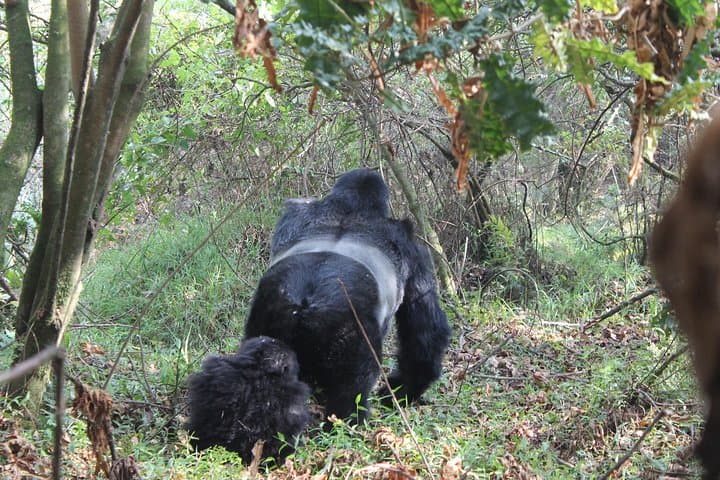
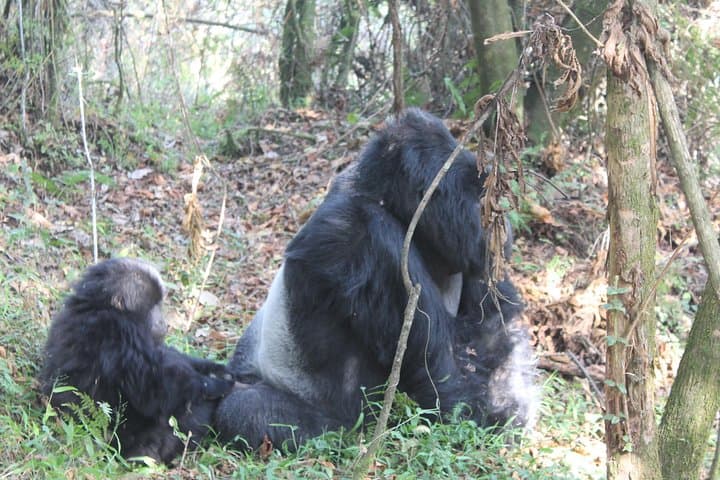
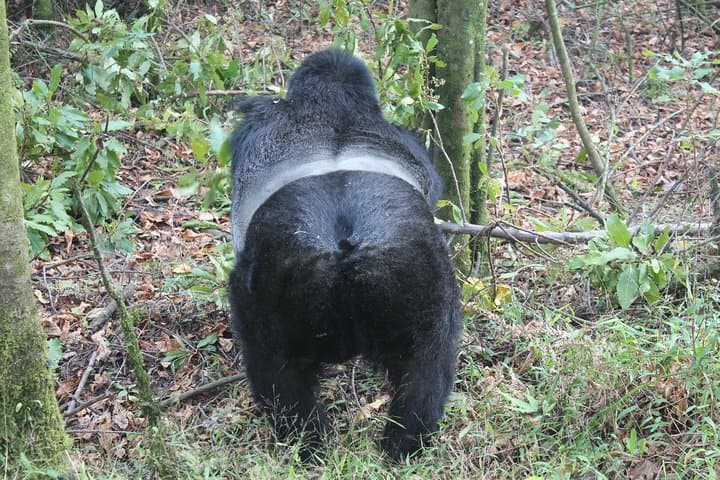
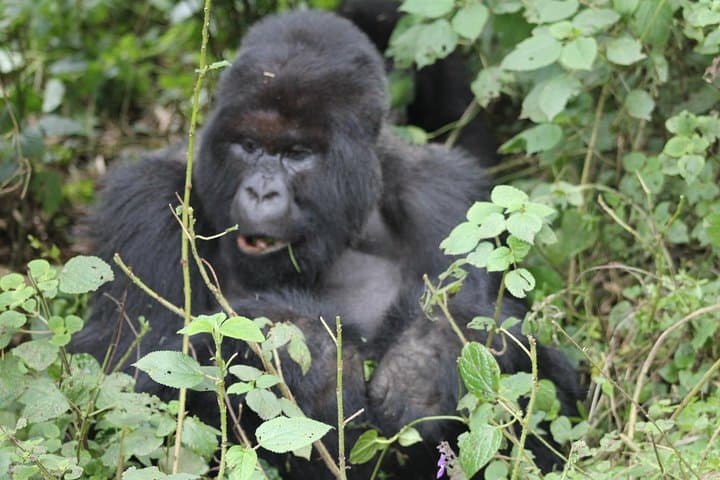
Expect steep, uneven trails, tree roots slick with mud and sudden openings where a silverback may sit in dappled light. The trek can take 2–6 hours depending on gorilla movement; altitude ranges roughly 1,160–2,600 m, and the forest will test balance more than speed.
Practically: permits are required and often arranged by your operator; start early, carry a daypack with water, snacks, rain shell and a basic first-aid kit. Wear waterproof boots and long sleeves to fend off vines and insects, and plan for slow, careful walking—rangers set strict rules for distance and time with gorillas to limit disease transmission.
The payoff is a quiet, intense half-hour with animals whose intelligence and gestures reward patience. Travel light, respect protocols, and leave the forest with both photos and a sense of having moved through one of Africa’s most primal places.
moderate.
3 days.
Moderate fitness: able to walk uneven, steep trails for several hours and handle short bursts of climbing; some treks may be strenuous.
Yes—visit permits are required, limited daily and normally arranged through your tour operator; buy or reserve them well before travel.
Treks vary widely depending on gorilla movement—commonly 2–6 hours of hiking, with up to one hour spent observing the gorillas once located.
Trekking can be physically demanding; children and older travelers should consult guides in advance and consider shorter alternatives or gorilla habituation visits if available.
Photography is allowed but avoid flash, keep the ranger-mandated distance (usually ~7 meters), and follow instructions to minimize disturbance and disease risk.
Bwindi became a protected area in the late 20th century and was inscribed as a UNESCO World Heritage Site to conserve its endemic species and unique montane forest.
Gorilla tourism is tightly regulated: permits limit visitor numbers and revenue supports rangers and local communities; follow guidelines to reduce disease and habitat impact.
Irembo Africa Safaris operates guided outdoor trips and adventures with an emphasis on safety, stewardship, and memorable experiences.
You step off the dusty road into a forest that resists the sky—trees crowd close, roots braid underfoot and a cool damp breath rises from the understory.
You step off the dusty road into a forest that resists the sky—trees crowd close, roots braid underfoot and a cool damp breath rises from the understory.
This three-day itinerary moves you from Kampala’s bustle into Bwindi Impenetrable Forest, where mossy trunks and mist carve a slow rhythm and the goal—the mountain gorilla—waits in family groups watched by vigilant trackers.
Bwindi’s slopes are ancient: a remnant of tropical forest pushed into the Albertine Rift, carved by tectonics and persistent rain. Human history here is modern and layered—the Batwa peoples who long lived in and around the forest, the conservation era of the 1990s that gave Bwindi World Heritage status, and tourism that now funds protection and community programs.
Expect steep, uneven trails, tree roots slick with mud and sudden openings where a silverback may sit in dappled light. The trek can take 2–6 hours depending on gorilla movement; altitude ranges roughly 1,160–2,600 m, and the forest will test balance more than speed.
Practically: permits are required and often arranged by your operator; start early, carry a daypack with water, snacks, rain shell and a basic first-aid kit. Wear waterproof boots and long sleeves to fend off vines and insects, and plan for slow, careful walking—rangers set strict rules for distance and time with gorillas to limit disease transmission.
The payoff is a quiet, intense half-hour with animals whose intelligence and gestures reward patience. Travel light, respect protocols, and leave the forest with both photos and a sense of having moved through one of Africa’s most primal places.