THE ADVENTURE COLLECTIVE® · Independent discovery and booking for outdoor travel

Three days map a fast, guided sweep of India’s iconic Golden Triangle: Delhi’s monuments, Agra’s Taj Mahal and Jaipur’s palaces, with a one-way flight from Pune. This private tour balances early starts, walking at UNESCO sites and comfortable transfers to cover major highlights efficiently.
Three days map a fast, guided sweep of India’s iconic Golden Triangle: Delhi’s monuments, Agra’s Taj Mahal and Jaipur’s palaces, with a one-way flight from Pune. This private tour balances early starts, walking at UNESCO sites and comfortable transfers to cover major highlights efficiently.
The day begins before dawn in Pune: a private pickup, a short airport transfer and a one-way flight that drops you into Delhi’s stone-and-concrete sprawl by mid-morning. From the ceremonial sweep of India Gate to the minareted silhouette of Qutub Minar, the first day eases you into Mughal and colonial layers of the capital before a three-hour expressway drive to Agra.
Verified experiences and guided adventures in the surrounding area.
Operated by Hire Taxi India · Pune, Maharashtra
The day begins before dawn in Pune: a private pickup, a short airport transfer and a one-way flight that drops you into Delhi’s stone-and-concrete sprawl by mid-morning. From the ceremonial sweep of India Gate to the minareted silhouette of Qutub Minar, the first day eases you into Mughal and colonial layers of the capital before a three-hour expressway drive to Agra.
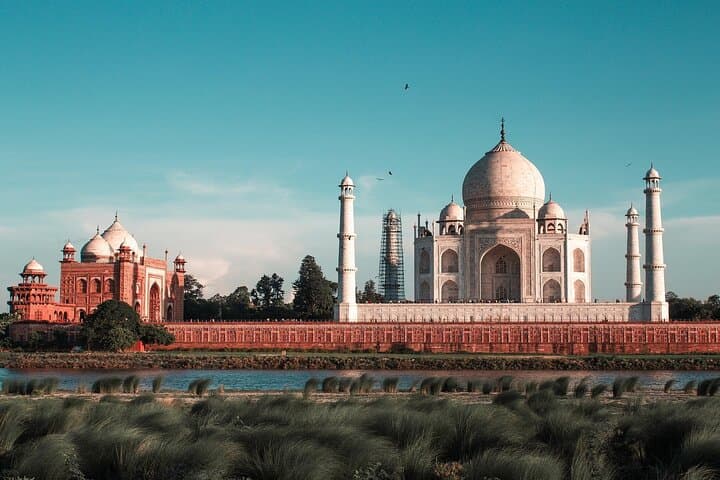
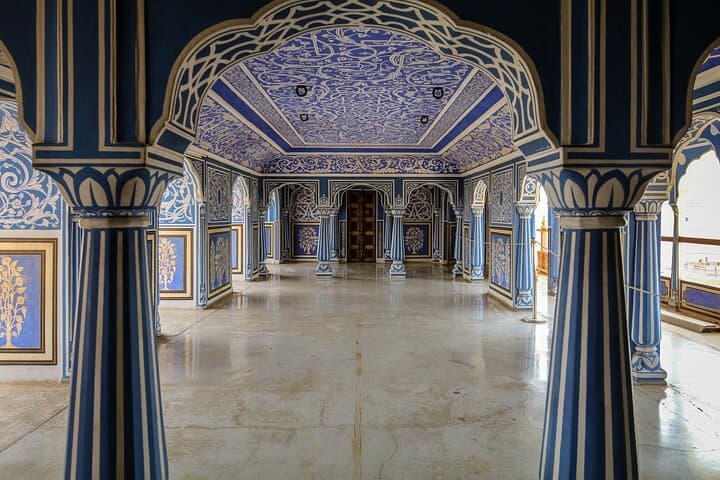
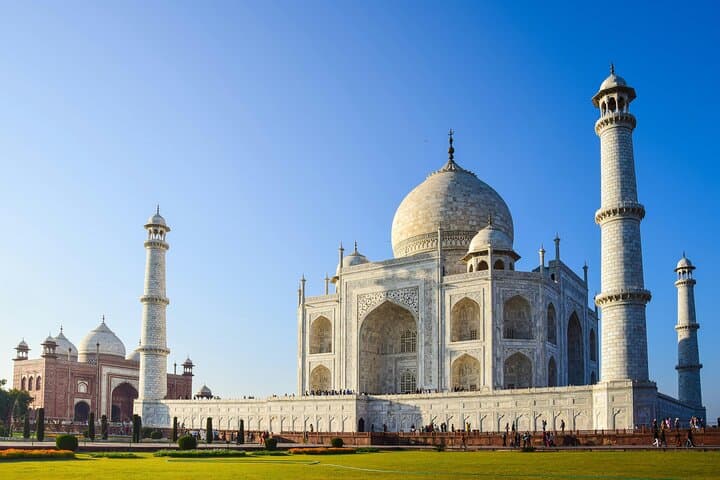
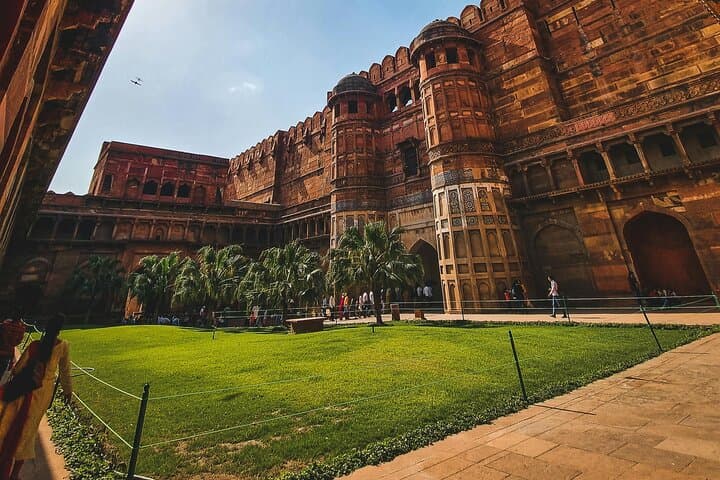
Agra’s skyline is dominated by white marble and red sandstone — the Taj Mahal’s marble plains reflect early light while Agra Fort’s ramparts tell the practical side of empire. The route between Agra and Jaipur passes Fatehpur Sikri, Akbar’s abandoned capital where sandstone courtyards and royal halls stand unusually intact. Jaipur, the third corner of the triangle, offers the hilltop Amber Fort, the honeycombed façade of Hawa Mahal and the precise astronomical instruments at Jantar Mantar, all set against the arid plains of eastern Rajasthan.
Expect a mix of short guided walks, fort stair climbs and city driving; elevation is low, but temperatures swing widely between early morning and midday.
Practical guidance: book the sunrise Taj slot for softer light and smaller crowds; carry photocopies of passports and your original ID for hotel and monument checks; wear sturdy, breathable shoes for cobbled forts; pack a sunhat and layers for chilly mornings in winter. Hydrate frequently; vendors and scheduled water are typically available. Respect local dress codes at religious sites, follow guide instructions at UNESCO sites, and allow traffic and timing buffers when planning onward travel.
moderate.
3 days.
Suitable for travelers with light to moderate fitness—able to walk several city blocks and climb short staircases.
The Taj Mahal is closed on Fridays; otherwise it opens at sunrise (timing varies seasonally) and a sunrise visit is recommended for fewer crowds.
This tour includes a one-way commercial flight from Pune to Delhi and all transfers/sightseeing by air-conditioned private vehicle as described in the itinerary.
Yes — foreign nationals must carry a valid passport and applicable Indian visa; hotels will request passport details at check-in.
Expect multiple short walks and stair climbs at monuments; most activities are easy paced but require moderate mobility for steps and uneven surfaces.
The route traces Mughal-era architecture and Rajput court culture: the Taj and Agra Fort reflect Mughal imperial design, Jaipur was planned by Maharaja Jai Singh II in the 18th century, and Fatehpur Sikri was Akbar’s short-lived capital.
These UNESCO and protected sites face wear from heavy visitation; carry reusable bottles, follow site rules, and avoid touching or climbing on historic surfaces to reduce impact.
Hire Taxi India operates guided outdoor trips and adventures with an emphasis on safety, stewardship, and memorable experiences.
The day begins before dawn in Pune: a private pickup, a short airport transfer and a one-way flight that drops you into Delhi’s stone-and-concrete sprawl by mid-morning. From the ceremonial sweep of India Gate to the minareted silhouette of Qutub Minar, the first day eases you into Mughal and colonial layers of the capital before a three-hour expressway drive to Agra.
The day begins before dawn in Pune: a private pickup, a short airport transfer and a one-way flight that drops you into Delhi’s stone-and-concrete sprawl by mid-morning. From the ceremonial sweep of India Gate to the minareted silhouette of Qutub Minar, the first day eases you into Mughal and colonial layers of the capital before a three-hour expressway drive to Agra.
Agra’s skyline is dominated by white marble and red sandstone — the Taj Mahal’s marble plains reflect early light while Agra Fort’s ramparts tell the practical side of empire. The route between Agra and Jaipur passes Fatehpur Sikri, Akbar’s abandoned capital where sandstone courtyards and royal halls stand unusually intact. Jaipur, the third corner of the triangle, offers the hilltop Amber Fort, the honeycombed façade of Hawa Mahal and the precise astronomical instruments at Jantar Mantar, all set against the arid plains of eastern Rajasthan.
Expect a mix of short guided walks, fort stair climbs and city driving; elevation is low, but temperatures swing widely between early morning and midday.
Practical guidance: book the sunrise Taj slot for softer light and smaller crowds; carry photocopies of passports and your original ID for hotel and monument checks; wear sturdy, breathable shoes for cobbled forts; pack a sunhat and layers for chilly mornings in winter. Hydrate frequently; vendors and scheduled water are typically available. Respect local dress codes at religious sites, follow guide instructions at UNESCO sites, and allow traffic and timing buffers when planning onward travel.