THE ADVENTURE COLLECTIVE® · Independent discovery and booking for outdoor travel

Witness the Taj Mahal at sunrise and move through Delhi’s monuments and Jaipur’s palaces on a compact 3-day loop. This practical guide outlines what to expect—distances, site walking, timing, and local tips to make the most of each stop.
Witness the Taj Mahal at sunrise and move through Delhi’s monuments and Jaipur’s palaces on a compact 3-day loop. This practical guide outlines what to expect—distances, site walking, timing, and local tips to make the most of each stop.
You step out before dawn into the marble cool of the Taj Mahal complex as the first light pushes across the Yamuna, the monument’s domes shifting from pearly grey to warm cream.
Verified experiences and guided adventures in the surrounding area.
Operated by Wonderful Holidays · New Delhi, Delhi
You step out before dawn into the marble cool of the Taj Mahal complex as the first light pushes across the Yamuna, the monument’s domes shifting from pearly grey to warm cream.
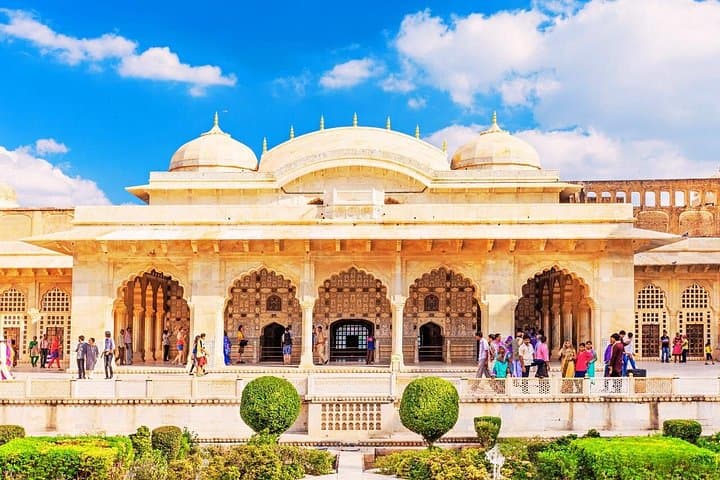
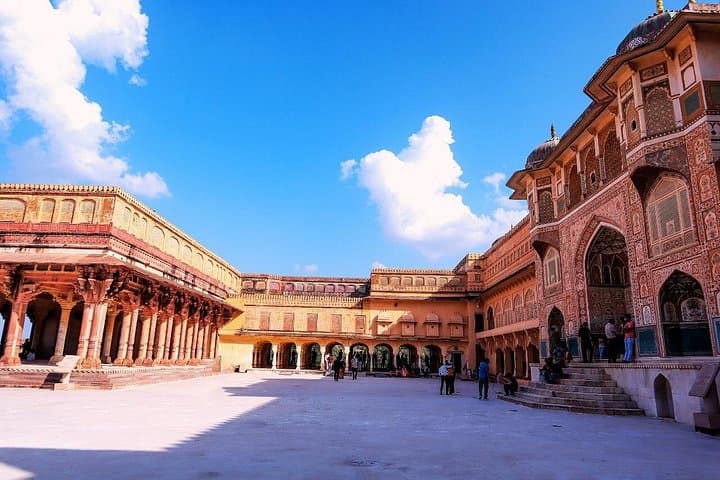
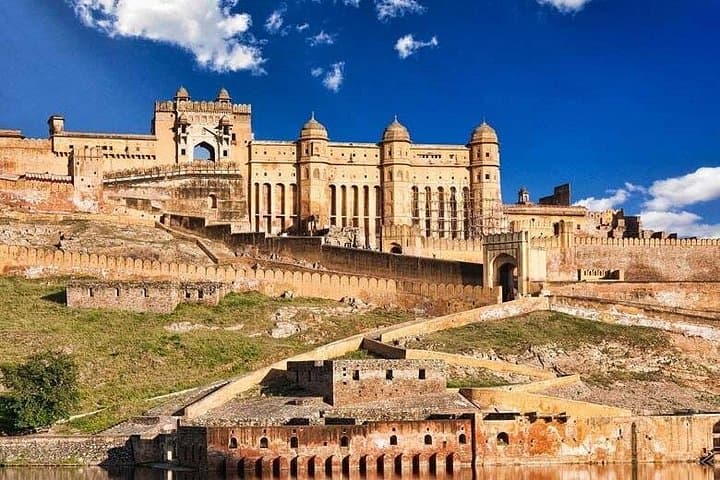
This three-day Golden Triangle route threads through New Delhi’s imperial avenues, Agra’s Mughal masterpieces and Jaipur’s Rajput palaces—architecture that maps India’s seventeenth- and eighteenth-century power centers. Geologically the plains are Indo-Gangetic alluvium: low-elevation, flat roads linking cities, while Jaipur’s Amber Fort rises on a modest sandstone ridge, demanding a short climb and several flights of historic steps.
Cultural notes: Shah Jahan’s Taj commemorates Mughal courtly patronage; Fatehpur Sikri is Akbar’s abandoned capital; Jaipur records the city-planning ambitions of Sawai Jai Singh II. Local life pulses in bazaars and roadside tea stalls between monuments, offering craft textiles and spicy snacks.
Practical guidance: travel between Delhi–Agra (~230 km, 3–4 hrs) and Agra–Jaipur (via Fatehpur Sikri, ~240 km, 4–5 hrs) by air-conditioned car; allow walking of 1–3 km at major sites. Expect uneven stone steps at Amber Fort (roughly 100–200 m of ascent across courtyards). Start early for the Taj (sunrise entry) to beat heat and crowds. Carry sun protection, a refillable bottle and modest attire for religious and royal sites. Plan hotel check-ins and a buffer for traffic—morning and evening drives can add time.
The tour balances dense cultural exposure with manageable walking and vehicle time—ideal for travelers who prefer structured, short-window exploration of India’s premier historical highlights.
easy.
3 days.
Suitable for travelers in average fitness who can walk 1–3 km per site and manage short stair climbs.
Policies vary by operator; many private tours include guide services but not the monument entry ticket—confirm at booking and carry ID for ticket purchase.
October to March offers cooler, drier conditions and clearer skies; winter mornings are crisp and good for sunrise visits.
Plan for 1–3 km of walking at major sites; Amber Fort includes several flights of stairs and short steep sections requiring moderate mobility.
Yes—private Golden Triangle packages typically allow adjustments to pacing, accommodations and optional stops like Mehtab Bagh or local bazaars.
The route highlights Mughal imperial ambition (Taj, Agra Fort, Fatehpur Sikri) and Rajput city-planning and observatory science in Jaipur (Jantar Mantar).
High visitor numbers stress monuments; use official paths, avoid touching inlaid marble and prefer refillable bottles to reduce litter in heritage zones.
Wonderful Holidays operates guided outdoor trips and adventures with an emphasis on safety, stewardship, and memorable experiences.
You step out before dawn into the marble cool of the Taj Mahal complex as the first light pushes across the Yamuna, the monument’s domes shifting from pearly grey to warm cream.
You step out before dawn into the marble cool of the Taj Mahal complex as the first light pushes across the Yamuna, the monument’s domes shifting from pearly grey to warm cream.
This three-day Golden Triangle route threads through New Delhi’s imperial avenues, Agra’s Mughal masterpieces and Jaipur’s Rajput palaces—architecture that maps India’s seventeenth- and eighteenth-century power centers. Geologically the plains are Indo-Gangetic alluvium: low-elevation, flat roads linking cities, while Jaipur’s Amber Fort rises on a modest sandstone ridge, demanding a short climb and several flights of historic steps.
Cultural notes: Shah Jahan’s Taj commemorates Mughal courtly patronage; Fatehpur Sikri is Akbar’s abandoned capital; Jaipur records the city-planning ambitions of Sawai Jai Singh II. Local life pulses in bazaars and roadside tea stalls between monuments, offering craft textiles and spicy snacks.
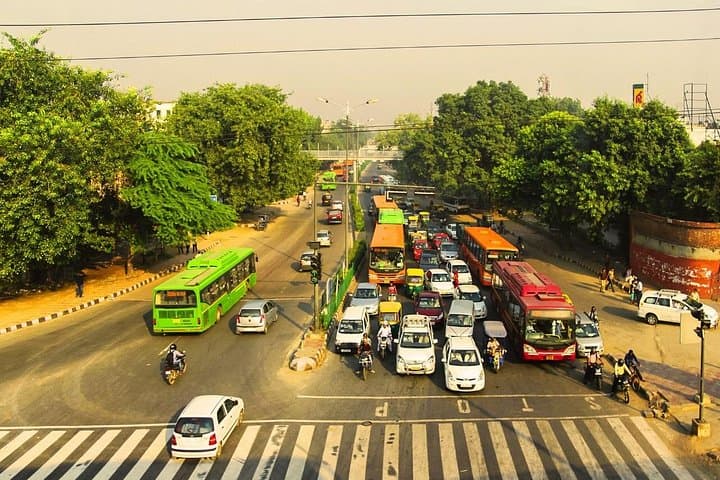
Practical guidance: travel between Delhi–Agra (~230 km, 3–4 hrs) and Agra–Jaipur (via Fatehpur Sikri, ~240 km, 4–5 hrs) by air-conditioned car; allow walking of 1–3 km at major sites. Expect uneven stone steps at Amber Fort (roughly 100–200 m of ascent across courtyards). Start early for the Taj (sunrise entry) to beat heat and crowds. Carry sun protection, a refillable bottle and modest attire for religious and royal sites. Plan hotel check-ins and a buffer for traffic—morning and evening drives can add time.
The tour balances dense cultural exposure with manageable walking and vehicle time—ideal for travelers who prefer structured, short-window exploration of India’s premier historical highlights.