THE ADVENTURE COLLECTIVE® · Independent discovery and booking for outdoor travel

See India’s Golden Triangle in three days: sunrise at the Taj, Mughal forts, and Jaipur’s palaces with private transfers and local guides. Fast-paced but manageable, it’s built for first-time visitors who want the highlights without planning transport.
See India’s Golden Triangle in three days: sunrise at the Taj, Mughal forts, and Jaipur’s palaces with private transfers and local guides. Fast-paced but manageable, it’s built for first-time visitors who want the highlights without planning transport.
You step from an air-conditioned car into the morning fog of Old Delhi, rickshaw bells weaving through narrow streets as the city wakes. Over the next three days the tour shifts like a lens — the granite geometry of Humayun’s Tomb in New Delhi, the white marble hush of the Taj Mahal at sunrise, then the pink-stone avenues and hilltop ramparts of Jaipur.
Verified experiences and guided adventures in the surrounding area.
Operated by Bagga India Tour · New Delhi, Delhi
You step from an air-conditioned car into the morning fog of Old Delhi, rickshaw bells weaving through narrow streets as the city wakes. Over the next three days the tour shifts like a lens — the granite geometry of Humayun’s Tomb in New Delhi, the white marble hush of the Taj Mahal at sunrise, then the pink-stone avenues and hilltop ramparts of Jaipur.
The route follows Mughal and Rajput footprints: Humayun’s Tomb prefigured the Taj’s planning; Fatehpur Sikri’s red sandstone remembers Emperor Akbar’s court; Jaipur’s observatory speaks to a regional tradition of astronomy and palace life. Geology is part of the story — the marble of Agra drawn from distant quarries, the red sandstone of Fatehpur and Jaipur shaped by local strata. Rivers, most visibly the Yamuna at Agra, move through the itinerary and change how each monument reads with light.
Expect full days: early starts for the Taj, mid-day city drives between sites, and guided walks that include both crowded bazaars and quieter palace rooms. Practicalities matter — monument opening days (the Taj is closed Fridays), passport photocopies for ticketing, and modest dress at religious sites. Traffic on the Delhi–Agra–Jaipur corridor can add time; the included private transfers make the most of each day.
Bring comfortable walking shoes, sun protection, water, and a compact daypack. If you want deeper context, upgrade to a licensed guide for monument interiors and skip-the-line entry. This tour is built for first-time visitors who want the essentials without logistics overhead, pairing classical sights with straightforward, on-the-ground support.
easy.
3 days.
Suitable for most fitness levels; requires standing, walking on uneven surfaces and climbing stairs during guided visits.
Entrance fees are included only if you booked the tour option that specifies monument entrance; otherwise you can add them or purchase on arrival, subject to availability.
The Taj Mahal is closed on Fridays; Lotus Temple is closed on Mondays — the itinerary adjusts with alternatives on those days.
Yes, round-trip private transfers and hotel/airport pickup and drop-off in New Delhi are included as listed in the tour inclusions.
A licensed city guide is offered and recommended for deeper context; tipping is customary for drivers and guides and generally expected but discretionary based on service.
The Golden Triangle links Mughal-era Agra and Fatehpur Sikri with Jaipur’s later Rajput capital, reflecting shifting imperial centers and architectural responses to local materials.
High visitor numbers stress fragile monuments; use provided water bottles and stay on marked paths to protect inlaid marble and sandstone surfaces.
Bagga India Tour operates guided outdoor trips and adventures with an emphasis on safety, stewardship, and memorable experiences.
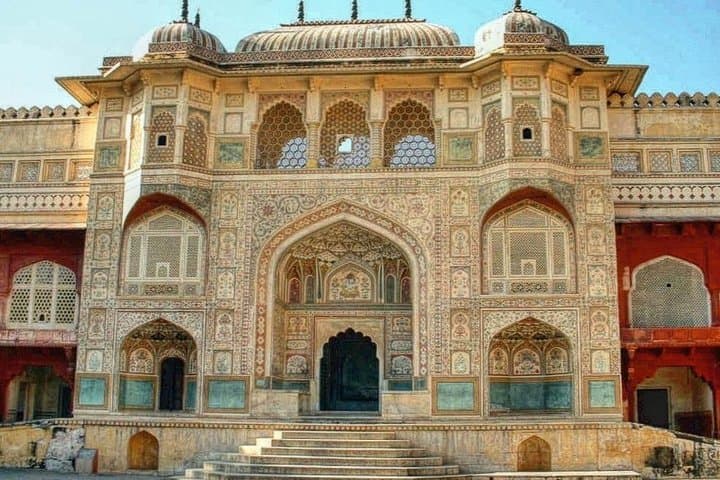
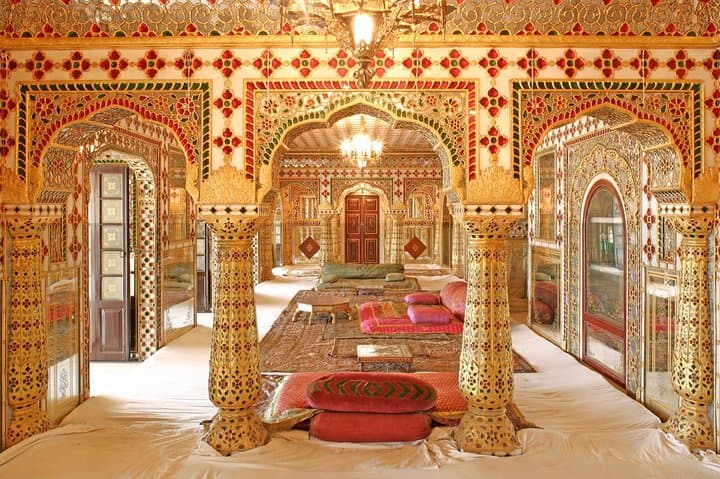
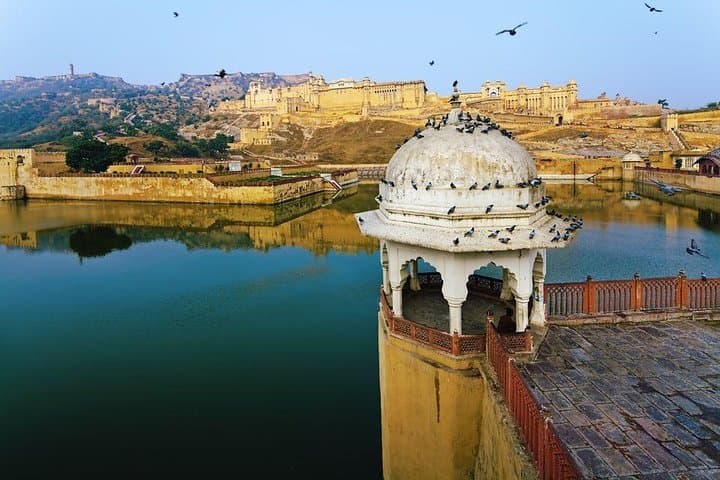
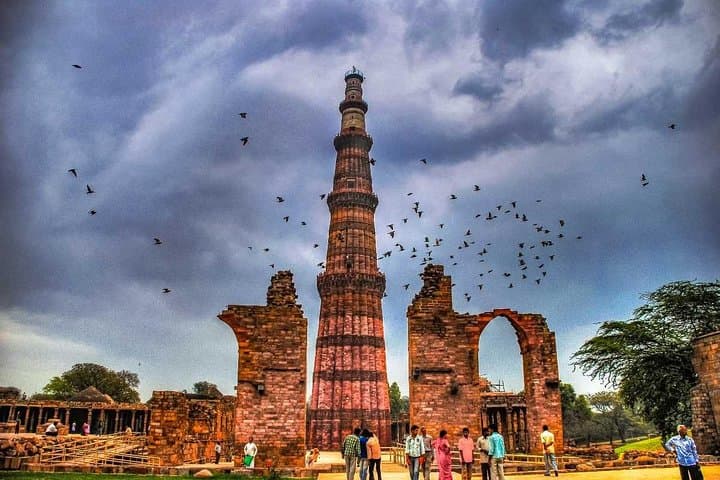
You step from an air-conditioned car into the morning fog of Old Delhi, rickshaw bells weaving through narrow streets as the city wakes. Over the next three days the tour shifts like a lens — the granite geometry of Humayun’s Tomb in New Delhi, the white marble hush of the Taj Mahal at sunrise, then the pink-stone avenues and hilltop ramparts of Jaipur.
You step from an air-conditioned car into the morning fog of Old Delhi, rickshaw bells weaving through narrow streets as the city wakes. Over the next three days the tour shifts like a lens — the granite geometry of Humayun’s Tomb in New Delhi, the white marble hush of the Taj Mahal at sunrise, then the pink-stone avenues and hilltop ramparts of Jaipur.
The route follows Mughal and Rajput footprints: Humayun’s Tomb prefigured the Taj’s planning; Fatehpur Sikri’s red sandstone remembers Emperor Akbar’s court; Jaipur’s observatory speaks to a regional tradition of astronomy and palace life. Geology is part of the story — the marble of Agra drawn from distant quarries, the red sandstone of Fatehpur and Jaipur shaped by local strata. Rivers, most visibly the Yamuna at Agra, move through the itinerary and change how each monument reads with light.
Expect full days: early starts for the Taj, mid-day city drives between sites, and guided walks that include both crowded bazaars and quieter palace rooms. Practicalities matter — monument opening days (the Taj is closed Fridays), passport photocopies for ticketing, and modest dress at religious sites. Traffic on the Delhi–Agra–Jaipur corridor can add time; the included private transfers make the most of each day.
Bring comfortable walking shoes, sun protection, water, and a compact daypack. If you want deeper context, upgrade to a licensed guide for monument interiors and skip-the-line entry. This tour is built for first-time visitors who want the essentials without logistics overhead, pairing classical sights with straightforward, on-the-ground support.