THE ADVENTURE COLLECTIVE® · Independent discovery and booking for outdoor travel

Covering Xi'an, Beijing and Shanghai in three days by plane, this private tour pairs the Terracotta Warriors and Xi'an City Wall with the Forbidden City and Mutianyu Great Wall, finishing in Shanghai's museums and waterfront. Fast-paced but well-supported, it's a condensed introduction to China's historical and modern highlights.
Covering Xi'an, Beijing and Shanghai in three days by plane, this private tour pairs the Terracotta Warriors and Xi'an City Wall with the Forbidden City and Mutianyu Great Wall, finishing in Shanghai's museums and waterfront. Fast-paced but well-supported, it's a condensed introduction to China's historical and modern highlights.
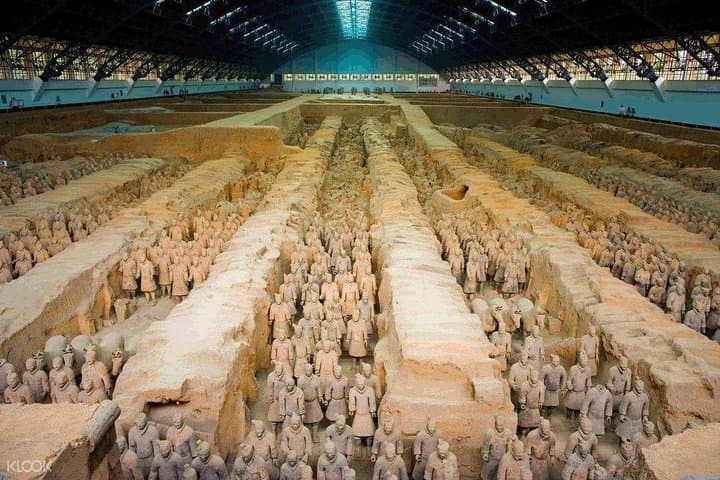
The morning air at the Terracotta Army feels like a held breath—rows of silent clay soldiers facing an emperor's long-ago campaign. On this fast-paced three-day loop you touch three distinct historical layers of China: the Qin dynasty's funerary complex in Xi'an, imperial Beijing with its vast Forbidden City and the Great Wall at Mutianyu, and the cosmopolitan riverfront and gardens of Shanghai.
Verified experiences and guided adventures in the surrounding area.
Operated by Unique Beijing Tours · Xi'an, Shaanxi
The morning air at the Terracotta Army feels like a held breath—rows of silent clay soldiers facing an emperor's long-ago campaign. On this fast-paced three-day loop you touch three distinct historical layers of China: the Qin dynasty's funerary complex in Xi'an, imperial Beijing with its vast Forbidden City and the Great Wall at Mutianyu, and the cosmopolitan riverfront and gardens of Shanghai.
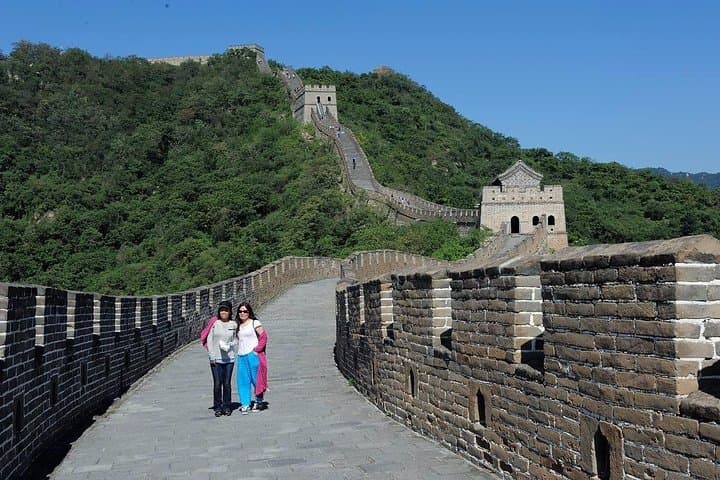
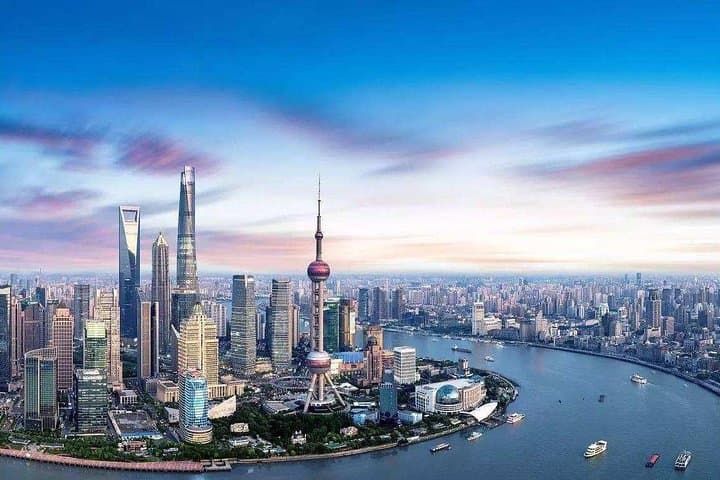
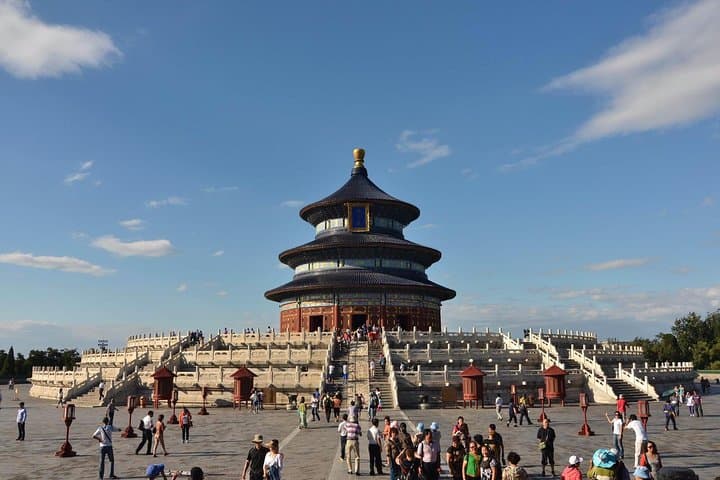
Xi'an's discovery of the Terracotta Warriors in 1974 transformed a farming plain into a global archaeological site; nearby the 600-year-old city wall offers a low, human-scale rampart you can walk or cycle. Beijing layers monumental statecraft — Tiananmen Square, Ming and Qing palaces — onto rugged limestone ridges where the Mutianyu section of the Great Wall climbs and bends through orchards and forested slopes. Shanghai flips the narrative to trade, colonial-era shikumen lanes, and river commerce that shaped modern China.
Expect a mix of walking tours, short hikes up restored wall towers (cable car or toboggan options are commonly offered), museum visits, and urban strolling. Practicalities matter: flights connect the cities to save travel time, but plan for early hotel pickups, security lines at major sites, and several stair-heavy sections in palaces and on the Wall.
Pack layered clothing for variable microclimates, sturdy walking shoes for uneven stone and city pavements, and a compact daypack. Hydrate between flights and bring photocopies of travel documents; English-speaking guides typically manage logistics and historical context, leaving you to focus on the vistas, the details in the artifacts, and the rhythm of three very different Chinese cities.
easy.
3 days.
Suitable for travelers with average fitness; involves multiple short walks, stairs and brief hikes.
Yes—economy-class plane tickets between Xi'an, Beijing and Shanghai are included in the itinerary.
Yes—Mutianyu offers both hiking and cable car/toboggan options; your guide can adjust based on fitness and preference.
The tour is rated easy and is suitable for most ages, but it includes stairs and walking; inform the operator of mobility needs when booking.
Yes—you can choose to end the tour in Xi'an, Beijing or Shanghai; confirm your preferred drop-off when booking.
The Terracotta Army was unearthed in 1974 and dates to the Qin dynasty (3rd century BCE); the Forbidden City served as imperial palace for over 500 years, while the Mutianyu Wall occupies older defensive lines amid reforested slopes.
High visitor numbers strain heritage sites—follow path restrictions, avoid touching artifacts, and use local guides to support responsible site management.
Unique Beijing Tours operates guided outdoor trips and adventures with an emphasis on safety, stewardship, and memorable experiences.
The morning air at the Terracotta Army feels like a held breath—rows of silent clay soldiers facing an emperor's long-ago campaign. On this fast-paced three-day loop you touch three distinct historical layers of China: the Qin dynasty's funerary complex in Xi'an, imperial Beijing with its vast Forbidden City and the Great Wall at Mutianyu, and the cosmopolitan riverfront and gardens of Shanghai.
The morning air at the Terracotta Army feels like a held breath—rows of silent clay soldiers facing an emperor's long-ago campaign. On this fast-paced three-day loop you touch three distinct historical layers of China: the Qin dynasty's funerary complex in Xi'an, imperial Beijing with its vast Forbidden City and the Great Wall at Mutianyu, and the cosmopolitan riverfront and gardens of Shanghai.
Xi'an's discovery of the Terracotta Warriors in 1974 transformed a farming plain into a global archaeological site; nearby the 600-year-old city wall offers a low, human-scale rampart you can walk or cycle. Beijing layers monumental statecraft — Tiananmen Square, Ming and Qing palaces — onto rugged limestone ridges where the Mutianyu section of the Great Wall climbs and bends through orchards and forested slopes. Shanghai flips the narrative to trade, colonial-era shikumen lanes, and river commerce that shaped modern China.
Expect a mix of walking tours, short hikes up restored wall towers (cable car or toboggan options are commonly offered), museum visits, and urban strolling. Practicalities matter: flights connect the cities to save travel time, but plan for early hotel pickups, security lines at major sites, and several stair-heavy sections in palaces and on the Wall.
Pack layered clothing for variable microclimates, sturdy walking shoes for uneven stone and city pavements, and a compact daypack. Hydrate between flights and bring photocopies of travel documents; English-speaking guides typically manage logistics and historical context, leaving you to focus on the vistas, the details in the artifacts, and the rhythm of three very different Chinese cities.