THE ADVENTURE COLLECTIVE® · Independent discovery and booking for outdoor travel

A concise three-day trek from Pokhara to Poon Hill that delivers sunrise panoramas of Annapurna and Dhaulagiri. Expect steep stone steps, forested climbs, village lodges and accessible high-mountain views suitable for fit beginners.
A concise three-day trek from Pokhara to Poon Hill that delivers sunrise panoramas of Annapurna and Dhaulagiri. Expect steep stone steps, forested climbs, village lodges and accessible high-mountain views suitable for fit beginners.
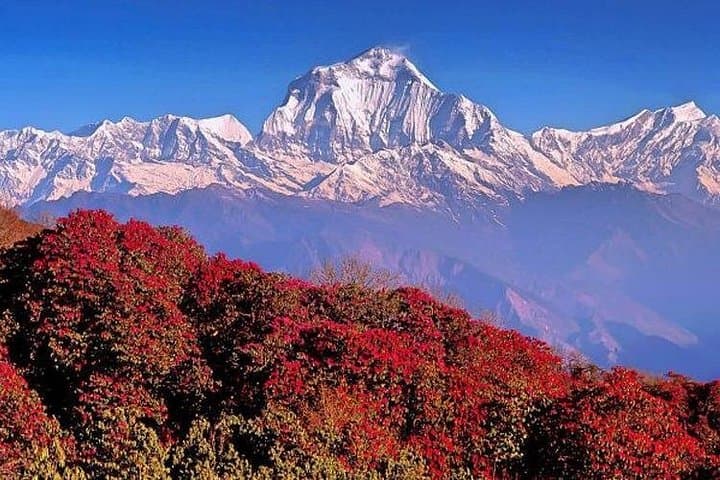
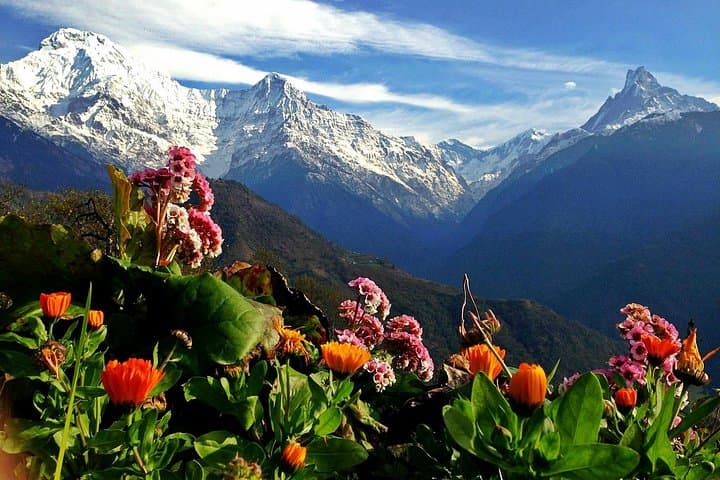
Dawn arrives cold and thin at Poon Hill; you push past the last rhododendron branches and the ridge opens to a band of jagged peaks catching the first light. The silhouette of Machhapuchchhre (Fishtail) and the long ridgeline of Annapurna step into color while distant Dhaulagiri looms like a low-angled shoulder on the horizon.
Verified experiences and guided adventures in the surrounding area.
Operated by Breakfree Adventures Pvt. Ltd. · Ghorepani, Gandaki Province
Dawn arrives cold and thin at Poon Hill; you push past the last rhododendron branches and the ridge opens to a band of jagged peaks catching the first light. The silhouette of Machhapuchchhre (Fishtail) and the long ridgeline of Annapurna step into color while distant Dhaulagiri looms like a low-angled shoulder on the horizon.
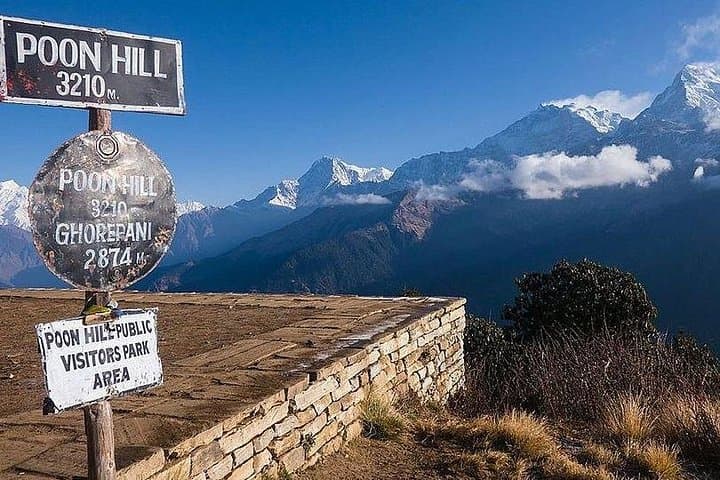
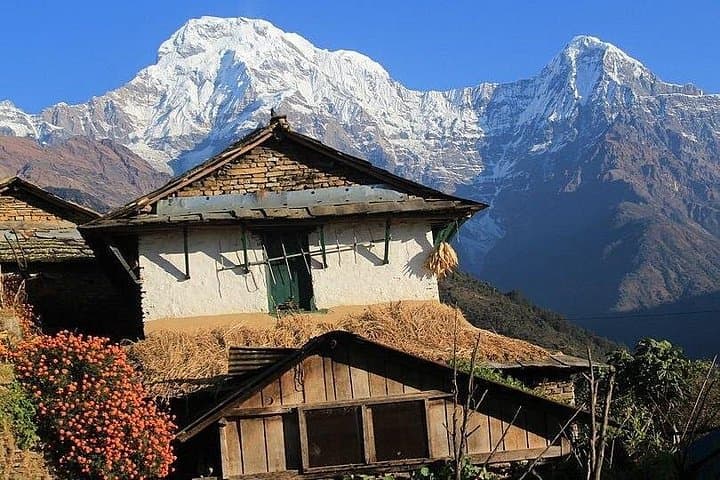
This compact trek moves quickly from Pokhara to Nayapul, then climbs through terraced fields, riverside villages and broad oak and rhododendron forests to Ulleri and Ghorepani. Poon Hill — at roughly 3,210 m — became popular in the mid-20th century as access to the Annapurna massif increased and now serves as a classic short Himalayan viewpoint trek. Geologically, the trail threads moraines and river-cut valleys carved by seasonal flows from the high glaciers, while cultural stops include Magar villages where slate-roofed lodges and prayer flags mark local life.
Expect steep stone steps on the approach to Ulleri, a steady forested climb to Ghorepani, and a short pre-dawn scramble to the Poon Hill viewpoint for sunrise. Accommodation is in family-run lodges; food is simple, warming and cooked over local stoves. Permits (Annapurna Conservation Area and TIMS) are required and are usually handled by operators.
Practical advice: start the final ascent well before sunrise to avoid icy steps, carry layers for dramatic temperature swings, keep hydrating on the climbs, and bring cash for villages without ATMs. With short days and manageable altitude, the itinerary suits hikers who want big Himalayan views in a compact, lodge-supported package.
moderate.
3 days.
Good basic cardio; able to walk 4–6 hours with sustained uphill sections and stairs
The route is suitable for fit beginners—daily walks are 4–6 hours with steady climbs; lodge support and short duration make it approachable.
Yes—Annapurna Conservation Area Permit (ACAP) and TIMS card are required; reputable operators usually arrange them.
October–November and March–April offer the clearest mountain views and stable weather; spring also brings rhododendron bloom.
Most lodges offer charging for a small fee, but power can be limited; bring a power bank.
The trail follows traditional mule and porter routes connecting hill communities with Pokhara; the Magar people have long managed lodges and local hospitality here.
The trek runs inside the Annapurna Conservation Area—pack out non-biodegradable waste, minimize single-use plastics and respect local water sources to reduce impact.
Breakfree Adventures Pvt. Ltd. operates guided outdoor trips and adventures with an emphasis on safety, stewardship, and memorable experiences.
Dawn arrives cold and thin at Poon Hill; you push past the last rhododendron branches and the ridge opens to a band of jagged peaks catching the first light. The silhouette of Machhapuchchhre (Fishtail) and the long ridgeline of Annapurna step into color while distant Dhaulagiri looms like a low-angled shoulder on the horizon.
Dawn arrives cold and thin at Poon Hill; you push past the last rhododendron branches and the ridge opens to a band of jagged peaks catching the first light. The silhouette of Machhapuchchhre (Fishtail) and the long ridgeline of Annapurna step into color while distant Dhaulagiri looms like a low-angled shoulder on the horizon.
This compact trek moves quickly from Pokhara to Nayapul, then climbs through terraced fields, riverside villages and broad oak and rhododendron forests to Ulleri and Ghorepani. Poon Hill — at roughly 3,210 m — became popular in the mid-20th century as access to the Annapurna massif increased and now serves as a classic short Himalayan viewpoint trek. Geologically, the trail threads moraines and river-cut valleys carved by seasonal flows from the high glaciers, while cultural stops include Magar villages where slate-roofed lodges and prayer flags mark local life.
Expect steep stone steps on the approach to Ulleri, a steady forested climb to Ghorepani, and a short pre-dawn scramble to the Poon Hill viewpoint for sunrise. Accommodation is in family-run lodges; food is simple, warming and cooked over local stoves. Permits (Annapurna Conservation Area and TIMS) are required and are usually handled by operators.
Practical advice: start the final ascent well before sunrise to avoid icy steps, carry layers for dramatic temperature swings, keep hydrating on the climbs, and bring cash for villages without ATMs. With short days and manageable altitude, the itinerary suits hikers who want big Himalayan views in a compact, lodge-supported package.