THE ADVENTURE COLLECTIVE® · Independent discovery and booking for outdoor travel

Three days of rugged trekking through the Gheralta Mountains lead to cliff-top churches, highland camps, and close encounters with Tigray’s living religious heritage. Expect steep approaches, long walking days, and unforgettable views.
Three days of rugged trekking through the Gheralta Mountains lead to cliff-top churches, highland camps, and close encounters with Tigray’s living religious heritage. Expect steep approaches, long walking days, and unforgettable views.
A wind that smells of dry grass and coffee greets you as the jeep drops you at the trailhead and the escarpment rises like a wall of carved sandstone. The first steps are a mixture of loose scree, narrow footpaths, and stone terraces; within two to three hours you crest a rib and find Abune Abraham clinging to the cliff, its murals bright against red rock.
Verified experiences and guided adventures in the surrounding area.
Operated by Omo Valley Experience Tours · Mekele, Tigray Region
A wind that smells of dry grass and coffee greets you as the jeep drops you at the trailhead and the escarpment rises like a wall of carved sandstone. The first steps are a mixture of loose scree, narrow footpaths, and stone terraces; within two to three hours you crest a rib and find Abune Abraham clinging to the cliff, its murals bright against red rock.
This three-day route threads geology and history: sandstone fins and mesas sculpted by millennia of wind and rain, and churches hewn into those cliffs from the 4th–7th centuries AD. Tigray culture feels immediate — morning prayers from a ledge, women roasting coffee by a stone hearth, monks tending tiny chapels — all part of a living religious landscape.
Expect long trekking days (up to 7–8 hours on day two), steep stair-like gullies, and exposed ridgelines when approaching Kamer Mountain (≈2,700 m). Camps are simple: mountain-top clearings, a sycamore that shelters the base camp, and nights warmed by shared food and conversation.
Practical guidance: start early to avoid midday heat, carry at least 2–3 liters of water per day, and wear boots with firm ankle support — many approaches use narrow ledges and fixed ropes near cliff chapels. Local guides handle logistics, entrance fees, and navigation; bring cash for small purchases and show respect in sacred spaces (modest dress, quiet photography where asked).
This trek rewards with sunset silhouettes of bell-shaped churches and sunrise over the highlands — direct, rugged, and anchored in centuries of devotion.
challenging.
3 days (6–8 hours walking on longest day).
Good cardiovascular fitness and leg strength recommended; previous multi-day hiking experience helpful.
Approaches vary from steep footpaths and short scrambles to exposed ledges requiring surefootedness; local guides manage fixed ropes where needed.
Yes — entrance fees to the listed churches and sites are included in this itinerary, handled by the operator.
Camping is basic but organized: tents, mattresses, cooking gear provided; mountain-top camps are simple clearings with toilet options limited.
Highest points reach about 2,700 m (Kamer Mountain); most travelers tolerate this altitude, but allow acclimatization and disclose cardiovascular concerns.
The Gheralta churches date from late antiquity and the medieval period, carved into sandstone by monastic communities that created portable liturgies and unique mural traditions.
Visitor impact is concentrated on trails and fragile cliff ledges; stick to established paths, avoid firing wood for campfires, and support local guides who practice low-impact camping.
Omo Valley Experience Tours operates guided outdoor trips and adventures with an emphasis on safety, stewardship, and memorable experiences.
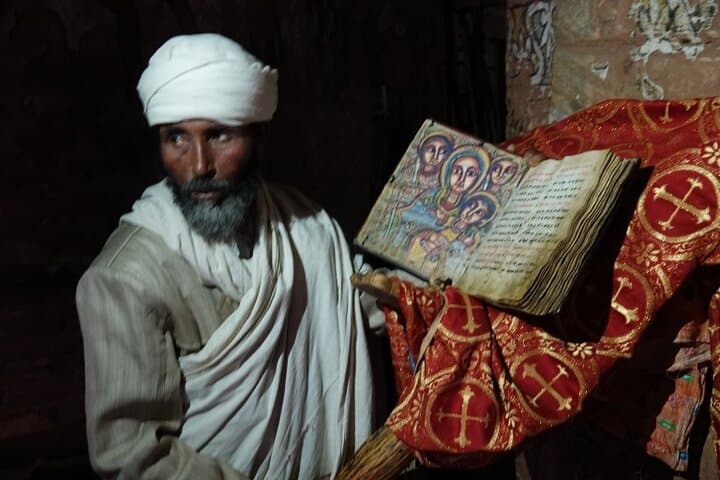


A wind that smells of dry grass and coffee greets you as the jeep drops you at the trailhead and the escarpment rises like a wall of carved sandstone. The first steps are a mixture of loose scree, narrow footpaths, and stone terraces; within two to three hours you crest a rib and find Abune Abraham clinging to the cliff, its murals bright against red rock.
A wind that smells of dry grass and coffee greets you as the jeep drops you at the trailhead and the escarpment rises like a wall of carved sandstone. The first steps are a mixture of loose scree, narrow footpaths, and stone terraces; within two to three hours you crest a rib and find Abune Abraham clinging to the cliff, its murals bright against red rock.
This three-day route threads geology and history: sandstone fins and mesas sculpted by millennia of wind and rain, and churches hewn into those cliffs from the 4th–7th centuries AD. Tigray culture feels immediate — morning prayers from a ledge, women roasting coffee by a stone hearth, monks tending tiny chapels — all part of a living religious landscape.
Expect long trekking days (up to 7–8 hours on day two), steep stair-like gullies, and exposed ridgelines when approaching Kamer Mountain (≈2,700 m). Camps are simple: mountain-top clearings, a sycamore that shelters the base camp, and nights warmed by shared food and conversation.
Practical guidance: start early to avoid midday heat, carry at least 2–3 liters of water per day, and wear boots with firm ankle support — many approaches use narrow ledges and fixed ropes near cliff chapels. Local guides handle logistics, entrance fees, and navigation; bring cash for small purchases and show respect in sacred spaces (modest dress, quiet photography where asked).
This trek rewards with sunset silhouettes of bell-shaped churches and sunrise over the highlands — direct, rugged, and anchored in centuries of devotion.