THE ADVENTURE COLLECTIVE® · Independent discovery and booking for outdoor travel

Traverse sheer cliffs and centuries-old frescoes on a three-day trek through Gheralta’s rock-hewn churches. Expect steep, exposed trails, local hospitality, and unforgettable views over Tigray’s plateaus.
Traverse sheer cliffs and centuries-old frescoes on a three-day trek through Gheralta’s rock-hewn churches. Expect steep, exposed trails, local hospitality, and unforgettable views over Tigray’s plateaus.
You step down from the vehicle onto a hot gravel track and the Gheralta cliffs loom, vertical and uncompromising. The air smells of sun-warmed rock and incense; wind traces the cliff faces and seems to test your resolve as you start the steep approach to Abune Yemata Guh. The church itself perches like an offered secret—painted interiors and frescoes that survived centuries of wind and devotion.
Verified experiences and guided adventures in the surrounding area.
Operated by Liyu Ethiopia Tours · Mekele, Tigray
You step down from the vehicle onto a hot gravel track and the Gheralta cliffs loom, vertical and uncompromising. The air smells of sun-warmed rock and incense; wind traces the cliff faces and seems to test your resolve as you start the steep approach to Abune Yemata Guh. The church itself perches like an offered secret—painted interiors and frescoes that survived centuries of wind and devotion.
These churches were carved into Precambrian sandstone and limestone terraces by early Ethiopian Christians between roughly the 4th and 14th centuries. Many interiors still show pigments and iconography from medieval eras; the sites reflect a mix of Byzantine influence and local craft. The geology creates narrow ledges and stacked terraces that demand sure footing; villages below remain deeply connected to the liturgical calendar and traditional hospitality, giving travelers a window into everyday Tigrayan life.
Practically: expect three days of short, steep hikes (typically under 5 km per day) with intermittent exposed scrambling and steps carved into rock—daily elevation gains can reach 200–400 m. Local guides lead the climbs and handle entrances; accommodation is basic regional hotels (the itinerary lists Vision Hotel). Bring good hiking shoes, sun protection, and at least 2–3 liters of water per day. Mornings are best for fragile frescoes and cooler climbs; afternoons can be hot and dusty. Respect church customs—modest dress and quiet inside sanctuaries—and allow extra time for village interactions and photo stops. The Gheralta tour pairs cultural depth with a hands-on mountain approach: it’s as much about learning a living tradition as it is about reaching a cliff-top chapel.
moderate.
3 days.
Suitable for travelers with moderate fitness who can handle repeated short, steep climbs and uneven terrain
Moderate: each day involves short but steep hikes (often 200–400 m elevation gain) and some exposed scrambling; basic fitness and mobility are required.
The itinerary lists entrance as included and the tour is guided with private transportation—confirm specifics at booking.
Modest clothing covering shoulders and knees is expected; remove hats when entering sanctified spaces and ask before photographing.
Not recommended for those with serious back or mobility issues; children who can handle steep, exposed trails may join but should be supervised closely.
Gheralta’s churches date from early Ethiopian Christianity; many cliff chapels were cut and painted between the 4th and 14th centuries and continued in active liturgical use.
Frescoes are fragile and vulnerable to humidity and dust; follow guide instructions, avoid touching painted surfaces, and support local conservation fees when requested.
Liyu Ethiopia Tours operates guided outdoor trips and adventures with an emphasis on safety, stewardship, and memorable experiences.

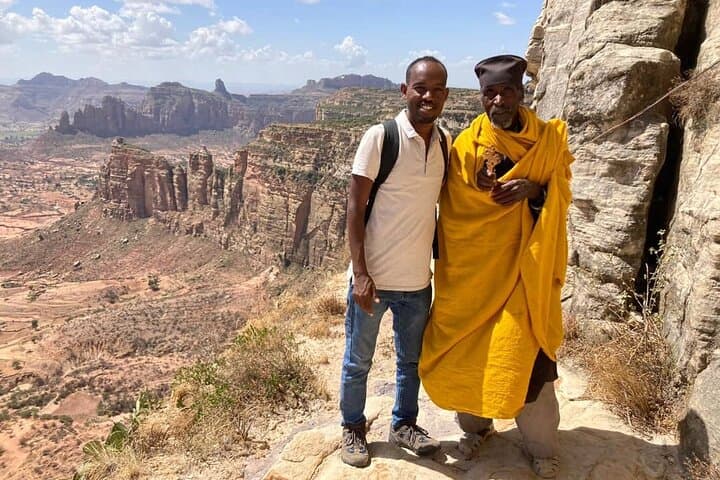
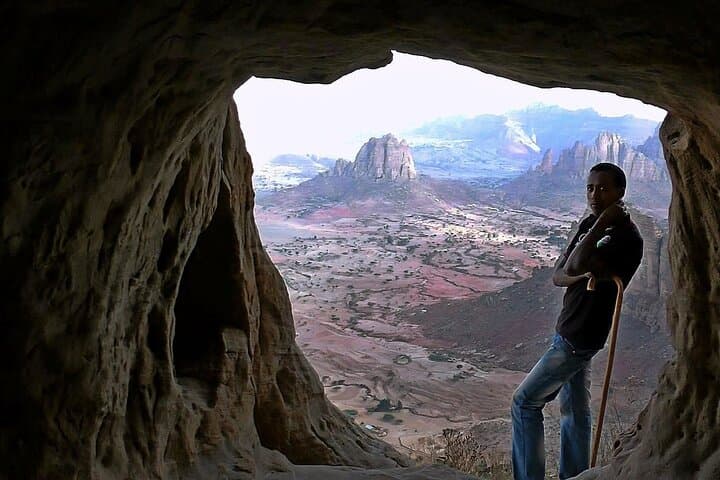

You step down from the vehicle onto a hot gravel track and the Gheralta cliffs loom, vertical and uncompromising. The air smells of sun-warmed rock and incense; wind traces the cliff faces and seems to test your resolve as you start the steep approach to Abune Yemata Guh. The church itself perches like an offered secret—painted interiors and frescoes that survived centuries of wind and devotion.
You step down from the vehicle onto a hot gravel track and the Gheralta cliffs loom, vertical and uncompromising. The air smells of sun-warmed rock and incense; wind traces the cliff faces and seems to test your resolve as you start the steep approach to Abune Yemata Guh. The church itself perches like an offered secret—painted interiors and frescoes that survived centuries of wind and devotion.
These churches were carved into Precambrian sandstone and limestone terraces by early Ethiopian Christians between roughly the 4th and 14th centuries. Many interiors still show pigments and iconography from medieval eras; the sites reflect a mix of Byzantine influence and local craft. The geology creates narrow ledges and stacked terraces that demand sure footing; villages below remain deeply connected to the liturgical calendar and traditional hospitality, giving travelers a window into everyday Tigrayan life.
Practically: expect three days of short, steep hikes (typically under 5 km per day) with intermittent exposed scrambling and steps carved into rock—daily elevation gains can reach 200–400 m. Local guides lead the climbs and handle entrances; accommodation is basic regional hotels (the itinerary lists Vision Hotel). Bring good hiking shoes, sun protection, and at least 2–3 liters of water per day. Mornings are best for fragile frescoes and cooler climbs; afternoons can be hot and dusty. Respect church customs—modest dress and quiet inside sanctuaries—and allow extra time for village interactions and photo stops. The Gheralta tour pairs cultural depth with a hands-on mountain approach: it’s as much about learning a living tradition as it is about reaching a cliff-top chapel.