THE ADVENTURE COLLECTIVE® · Independent discovery and booking for outdoor travel

A fast-paced, three-day fly-in safari that pairs Seronera’s wide-open plains with the volcanic amphitheater of Ngorongoro Crater. Perfect for travelers who want big wildlife viewing on a condensed itinerary.
A fast-paced, three-day fly-in safari that pairs Seronera’s wide-open plains with the volcanic amphitheater of Ngorongoro Crater. Perfect for travelers who want big wildlife viewing on a condensed itinerary.
You step out of the light aircraft into a hot, thin air that smells of dust and grass — the Serengeti spreads in waves, a broad room of golden plains interrupted by kopjes and distant herds. The first game drive slides you along Seronera’s riverine corridors as acacia shadows stretch across the track and lions regard the world like slow clocks. On day two the landscape narrows: the Ngorongoro Crater drops away like a bowl, its rim framing a living amphitheater where buffalo graze and flamingos dot alkaline lakes.
Verified experiences and guided adventures in the surrounding area.
Operated by LE KOBE ADVENTURES & SAFARIS · Seronera, Mara Region
You step out of the light aircraft into a hot, thin air that smells of dust and grass — the Serengeti spreads in waves, a broad room of golden plains interrupted by kopjes and distant herds. The first game drive slides you along Seronera’s riverine corridors as acacia shadows stretch across the track and lions regard the world like slow clocks. On day two the landscape narrows: the Ngorongoro Crater drops away like a bowl, its rim framing a living amphitheater where buffalo graze and flamingos dot alkaline lakes.
These places carry deep stories. The Serengeti’s name comes from the Maasai word for endless plains and is the stage for the Great Migration, a cyclical pulse of millions of wildebeest and zebra. Ngorongoro is a volcanic caldera formed when a large volcano erupted and collapsed, creating one of the densest wildlife concentrations on earth — and a UNESCO World Heritage Site.
Expect game drives from dawn to dusk, short walks at lodges, and nights in mid-range safari lodges and tented camps. Wildlife encounters are intimate but irregular: binoculars, patience and a quiet voice reward you. Culturally, Maasai communities still move near park borders; respectful distance and local guides make interactions positive.
Practical guidance: fly-in logistics save transit time but limit luggage; travel light and use soft bags. Carry anti-malarial medication, sunscreen and at least 3 liters of water per day. Morning and evening drives are cold — layer accordingly. Book in the dry season (June–October) for best visibility, but bring dust protection year-round.
easy.
3 days.
Minimal hiking required; suitable for travelers in average health who can tolerate long vehicle drives and bumpy roads.
Flights to and from the Serengeti, accommodation in mid-range lodges and tented camp, meals as specified, park entry fees and guided game drives are included as listed.
Small aircraft used for fly-ins typically limit luggage to around 15–20 kg in a soft bag; check with the operator for exact allowances before travel.
The migration moves seasonally; June–October dry season is best for river crossings and concentrated herds in the western and central Serengeti, though sightings vary by year.
Yes — the itinerary notes pickup and flight connections from Arusha, Zanzibar or Dar es Salaam; confirm arrival times and transfer meeting points when booking.
Ngorongoro’s crater is a collapsed volcanic caldera preserved as a unique ecological pocket; the Serengeti region has been inhabited and traversed by Maasai pastoralists for centuries.
Both areas face pressure from poaching and land-use change; choosing guided, park-supported operators helps fund anti-poaching and community programs.
LE KOBE ADVENTURES & SAFARIS operates guided outdoor trips and adventures with an emphasis on safety, stewardship, and memorable experiences.
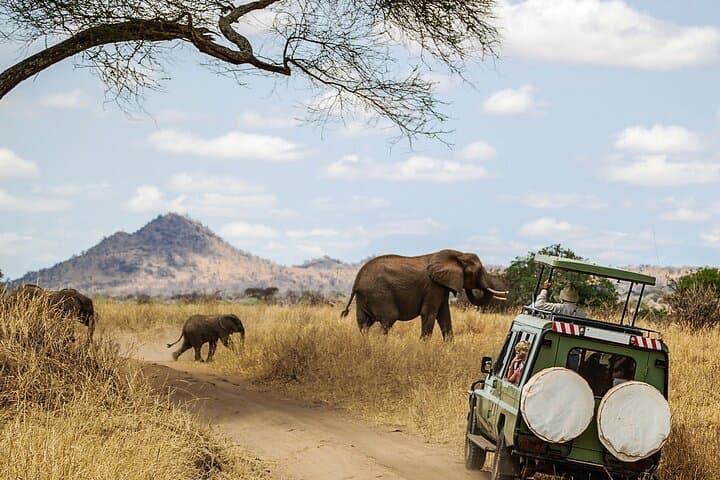
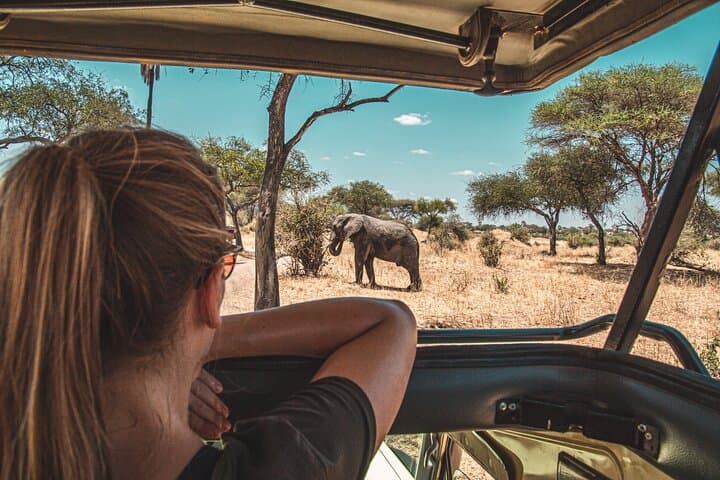
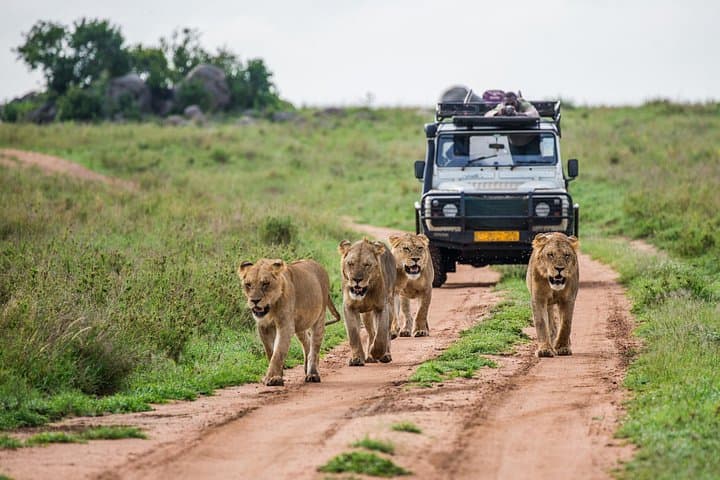
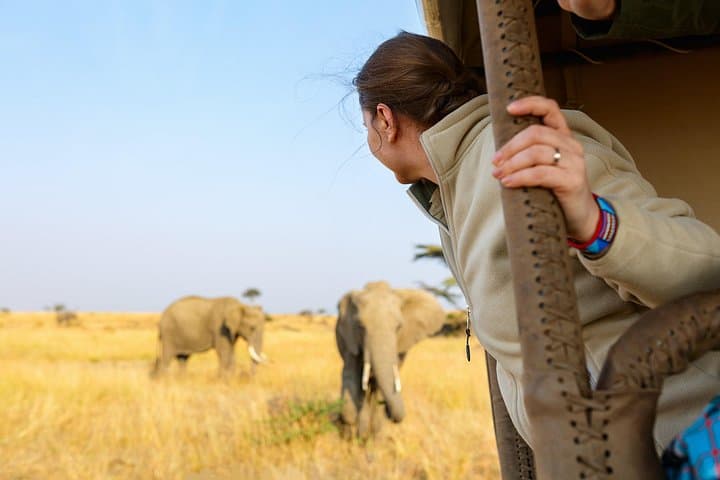
You step out of the light aircraft into a hot, thin air that smells of dust and grass — the Serengeti spreads in waves, a broad room of golden plains interrupted by kopjes and distant herds. The first game drive slides you along Seronera’s riverine corridors as acacia shadows stretch across the track and lions regard the world like slow clocks. On day two the landscape narrows: the Ngorongoro Crater drops away like a bowl, its rim framing a living amphitheater where buffalo graze and flamingos dot alkaline lakes.
You step out of the light aircraft into a hot, thin air that smells of dust and grass — the Serengeti spreads in waves, a broad room of golden plains interrupted by kopjes and distant herds. The first game drive slides you along Seronera’s riverine corridors as acacia shadows stretch across the track and lions regard the world like slow clocks. On day two the landscape narrows: the Ngorongoro Crater drops away like a bowl, its rim framing a living amphitheater where buffalo graze and flamingos dot alkaline lakes.
These places carry deep stories. The Serengeti’s name comes from the Maasai word for endless plains and is the stage for the Great Migration, a cyclical pulse of millions of wildebeest and zebra. Ngorongoro is a volcanic caldera formed when a large volcano erupted and collapsed, creating one of the densest wildlife concentrations on earth — and a UNESCO World Heritage Site.
Expect game drives from dawn to dusk, short walks at lodges, and nights in mid-range safari lodges and tented camps. Wildlife encounters are intimate but irregular: binoculars, patience and a quiet voice reward you. Culturally, Maasai communities still move near park borders; respectful distance and local guides make interactions positive.
Practical guidance: fly-in logistics save transit time but limit luggage; travel light and use soft bags. Carry anti-malarial medication, sunscreen and at least 3 liters of water per day. Morning and evening drives are cold — layer accordingly. Book in the dry season (June–October) for best visibility, but bring dust protection year-round.