THE ADVENTURE COLLECTIVE® · Independent discovery and booking for outdoor travel

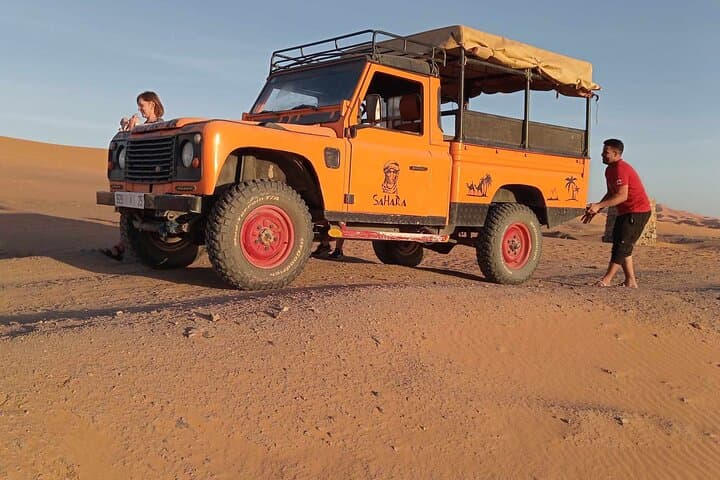
Cross cedar forests, High Atlas passes and the orange crests of Erg Chebbi on a three-day private 4x4 tour from Fez to Marrakech. Expect long drives, cultural stops at kasbahs and rose cooperatives, a sunset camel ride and an overnight in a desert camp.
Cross cedar forests, High Atlas passes and the orange crests of Erg Chebbi on a three-day private 4x4 tour from Fez to Marrakech. Expect long drives, cultural stops at kasbahs and rose cooperatives, a sunset camel ride and an overnight in a desert camp.
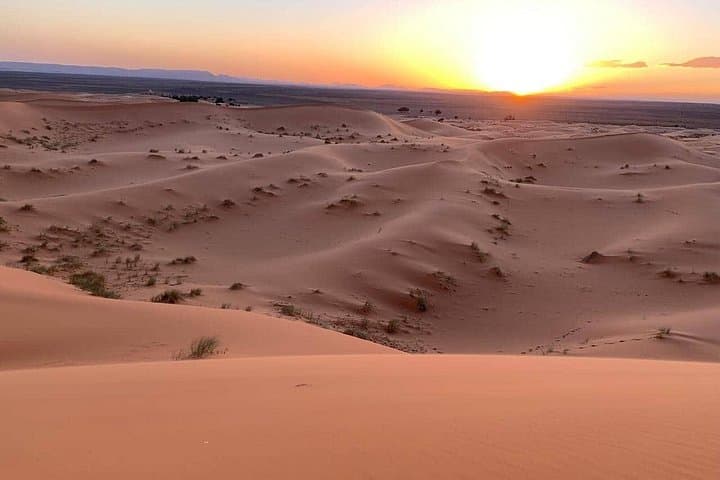
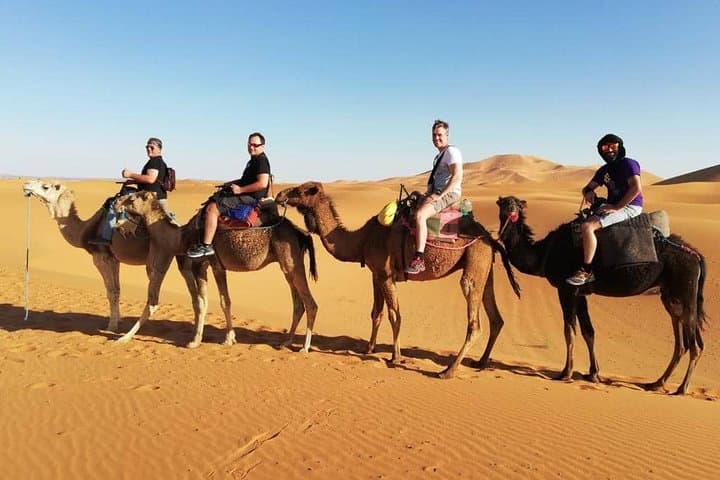
A wind-polished dune meets the road as you crest the last pass into Erg Chebbi — the sand shifts, light fractures, and the desert seems to test your pace. On this three-day crossing from Fez toward Marrakech (or vice versa) the landscape alternates between cedar-clad slopes, river-cut valleys and the broad orange curves of the Sahara where a camel caravan traces slow lines at sunset.
Verified experiences and guided adventures in the surrounding area.
Operated by Camel Safaries - Day Tours · Merzouga, Drâa-Tafilalet
A wind-polished dune meets the road as you crest the last pass into Erg Chebbi — the sand shifts, light fractures, and the desert seems to test your pace. On this three-day crossing from Fez toward Marrakech (or vice versa) the landscape alternates between cedar-clad slopes, river-cut valleys and the broad orange curves of the Sahara where a camel caravan traces slow lines at sunset.
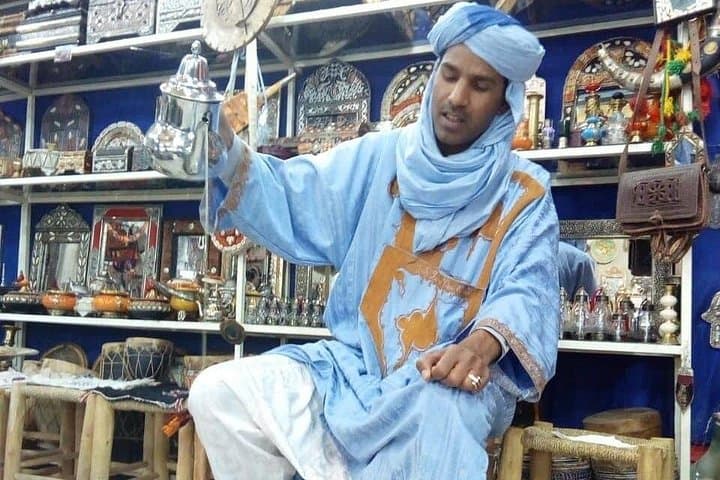
The route follows old caravan corridors and modern mountain roads alike: the Middle Atlas hosts cedar forests where Barbary macaques move through misted branches; the Tizi n'Tichka pass slices the High Atlas at roughly 2,200 meters; and the Erg Chebbi dunes are living geology—wind-built ridges that can rise more than 150 meters. Cultural stops include rose cooperatives in the Valley of Roses and earthen kasbahs such as Ait Ben Haddou, a UNESCO site that illustrates centuries of south-north trade and adobe architecture.
Expect long driving legs interspersed with short walks, local meals, and one overnight under desert skies in a simple camp after a sunset camel ride. Practicalities matter: bring layered clothing for large diurnal swings, sun protection, and a reliable water bottle. Travel days can be eight to ten hours with stops; roads are paved but mountain switches add motion. Guides and private 4x4 transport make logistics straightforward, and small-group or private options are common.
Plan arrival and departure around daylight for the best dunes and mountain light, respect local customs in villages, and leave no trace—this environment is beautiful, and fragile.
moderate.
3 days.
Suitable for most fitness levels; requires comfort with several hours of driving, short walks, and riding a camel.
Expect several long driving legs across mountain passes and valleys; individual days commonly include 6–10 hours of driving with stops for viewpoints and meals.
Desert camps range from basic nomad tents to more comfortable private camps; ask your operator about bedding and facilities if you prefer more amenities.
The itinerary typically includes breakfasts and dinners and local meals at stops; bottled water is usually available but bring extra if you prefer more between stops.
Yes — the tour is listed as suitable for all fitness levels, but children should be supervised on camels and during dune walks and must be accompanied by an adult.
This corridor links centuries-old trans-Saharan routes and features adobe kasbahs like Ait Ben Haddou that grew from caravan trade and local clay architecture.
Water is scarce and dune ecosystems are sensitive; travel companies often emphasize leaving no trace, using existing camp sites and minimizing plastic waste.
Camel Safaries - Day Tours operates guided outdoor trips and adventures with an emphasis on safety, stewardship, and memorable experiences.
A wind-polished dune meets the road as you crest the last pass into Erg Chebbi — the sand shifts, light fractures, and the desert seems to test your pace. On this three-day crossing from Fez toward Marrakech (or vice versa) the landscape alternates between cedar-clad slopes, river-cut valleys and the broad orange curves of the Sahara where a camel caravan traces slow lines at sunset.
A wind-polished dune meets the road as you crest the last pass into Erg Chebbi — the sand shifts, light fractures, and the desert seems to test your pace. On this three-day crossing from Fez toward Marrakech (or vice versa) the landscape alternates between cedar-clad slopes, river-cut valleys and the broad orange curves of the Sahara where a camel caravan traces slow lines at sunset.
The route follows old caravan corridors and modern mountain roads alike: the Middle Atlas hosts cedar forests where Barbary macaques move through misted branches; the Tizi n'Tichka pass slices the High Atlas at roughly 2,200 meters; and the Erg Chebbi dunes are living geology—wind-built ridges that can rise more than 150 meters. Cultural stops include rose cooperatives in the Valley of Roses and earthen kasbahs such as Ait Ben Haddou, a UNESCO site that illustrates centuries of south-north trade and adobe architecture.
Expect long driving legs interspersed with short walks, local meals, and one overnight under desert skies in a simple camp after a sunset camel ride. Practicalities matter: bring layered clothing for large diurnal swings, sun protection, and a reliable water bottle. Travel days can be eight to ten hours with stops; roads are paved but mountain switches add motion. Guides and private 4x4 transport make logistics straightforward, and small-group or private options are common.
Plan arrival and departure around daylight for the best dunes and mountain light, respect local customs in villages, and leave no trace—this environment is beautiful, and fragile.