THE ADVENTURE COLLECTIVE® · Independent discovery and booking for outdoor travel

Cross cedar forests and Ziz Valley on a three-day journey from Fes to Merzouga, ending with a sunset camel trek and a night in a traditional nomad bivouac among the towering Erg Chebbi dunes. Practical driving, cultural stops, and desert-first logistics make this an accessible Sahara experience.
Cross cedar forests and Ziz Valley on a three-day journey from Fes to Merzouga, ending with a sunset camel trek and a night in a traditional nomad bivouac among the towering Erg Chebbi dunes. Practical driving, cultural stops, and desert-first logistics make this an accessible Sahara experience.
Sand crests move like a slow sea, and the last light of day paints Erg Chebbi in burnt gold as your camel pads toward a ring of nomad tents. On this three-day loop from Fes you cross cedar forests and high passes, descend into Ziz Valley, and arrive at Merzouga where dunes rise as high as 150 meters and the wind sculpts new ridgelines overnight.
Verified experiences and guided adventures in the surrounding area.
Operated by Moroccan Roll Travel · Merzouga, Drâa-Tafilalet
Sand crests move like a slow sea, and the last light of day paints Erg Chebbi in burnt gold as your camel pads toward a ring of nomad tents. On this three-day loop from Fes you cross cedar forests and high passes, descend into Ziz Valley, and arrive at Merzouga where dunes rise as high as 150 meters and the wind sculpts new ridgelines overnight.
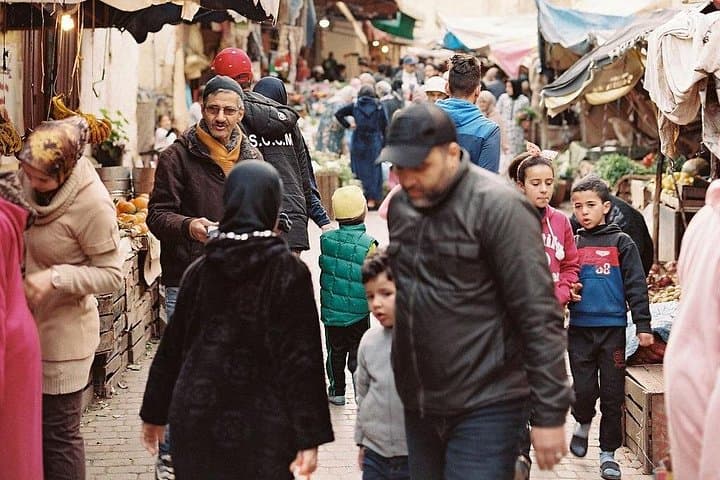
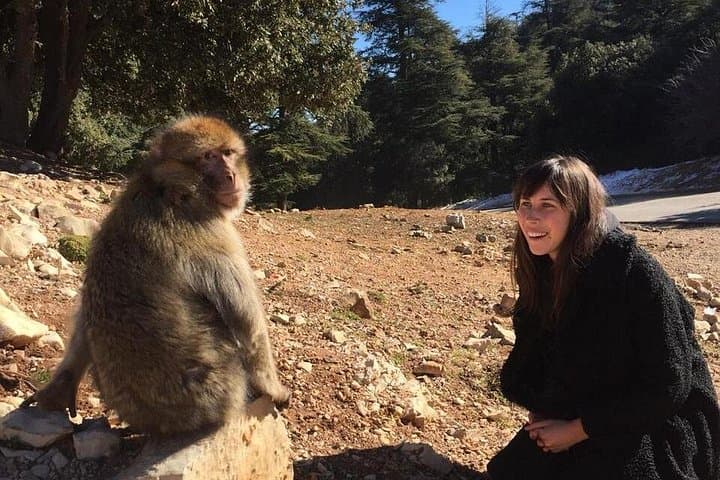
The route follows old southbound corridors once used by caravan traders; geology shifts from Middle Atlas limestone to the windblown gypsum and quartz of Erg Chebbi. Cultural touchpoints include Azrou’s cedar grove, home to Barbary macaques, Erfoud’s fossil workshops, and Khamlia village where Gnawa musicians keep spiritual songs alive. Dayet Srij, a seasonal salt lake, can attract flamingos in wetter years.
Expect roughly 6–9 hours of driving spread over three days (Fes–Merzouga ≈ 470 km), easy desert walking, and a 90–120 minute camel trek at sunset and sunrise across soft sand. Nights are spent in an auberge and a traditional nomad bivouac—wool tents on compacted sand with shared facilities.
Practical tips: travel light but bring layers—the desert swings from hot days to cold nights. Hydrate deliberately; dry air hides sweat. Plan activities for early morning or late afternoon to avoid peak heat and get the best light for dune climbing and photography. Respect local customs, support small craft stalls in Erfoud, and follow Leave No Trace principles to protect fragile dune ecology.
moderate.
3 days.
Moderate — able to manage several hours of travel, short dune hikes, and a 90–120 minute camel ride
The typical camel trek is about 90–120 minutes from the hotel to the bivouac—enough time to reach a dune crest for sunset.
Moderate fitness is sufficient: you should be comfortable with several hours of travel, short walks on sand, and mounting a camel.
Nights include a hotel/auberge with private rooms and one night in a traditional nomad tent; tent facilities are basic and may be shared depending on booking.
Yes—many families travel the route, but children should be able to sit on a camel and tolerate long drives; infants may be required to sit on laps for transport.
The corridor from Fes to Merzouga follows historical trade and nomadic routes that linked the Middle Atlas and Saharan communities; small ksour and artisan towns grew around these passages.
Erg Chebbi’s dunes are sensitive to off-track vehicle use and water scarcity; stick to marked routes, avoid littering, and support local-run camps to benefit communities and reduce impact.
Moroccan Roll Travel operates guided outdoor trips and adventures with an emphasis on safety, stewardship, and memorable experiences.
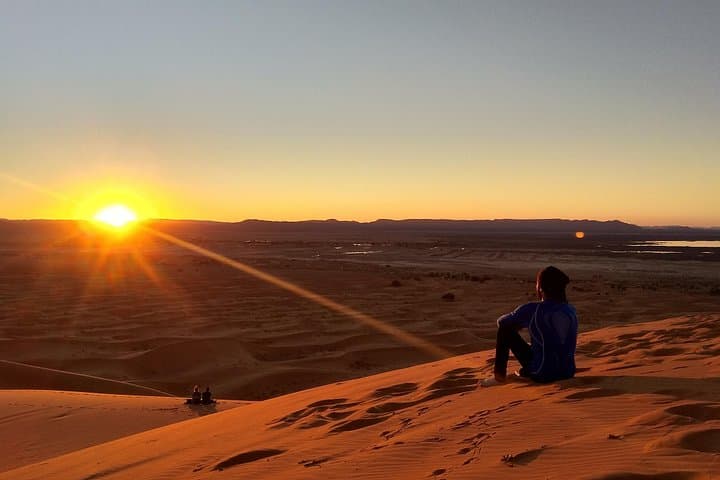
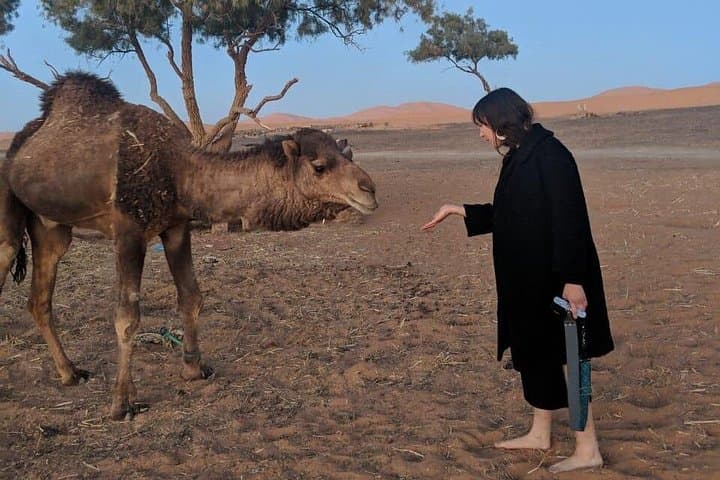
Sand crests move like a slow sea, and the last light of day paints Erg Chebbi in burnt gold as your camel pads toward a ring of nomad tents. On this three-day loop from Fes you cross cedar forests and high passes, descend into Ziz Valley, and arrive at Merzouga where dunes rise as high as 150 meters and the wind sculpts new ridgelines overnight.
Sand crests move like a slow sea, and the last light of day paints Erg Chebbi in burnt gold as your camel pads toward a ring of nomad tents. On this three-day loop from Fes you cross cedar forests and high passes, descend into Ziz Valley, and arrive at Merzouga where dunes rise as high as 150 meters and the wind sculpts new ridgelines overnight.
The route follows old southbound corridors once used by caravan traders; geology shifts from Middle Atlas limestone to the windblown gypsum and quartz of Erg Chebbi. Cultural touchpoints include Azrou’s cedar grove, home to Barbary macaques, Erfoud’s fossil workshops, and Khamlia village where Gnawa musicians keep spiritual songs alive. Dayet Srij, a seasonal salt lake, can attract flamingos in wetter years.
Expect roughly 6–9 hours of driving spread over three days (Fes–Merzouga ≈ 470 km), easy desert walking, and a 90–120 minute camel trek at sunset and sunrise across soft sand. Nights are spent in an auberge and a traditional nomad bivouac—wool tents on compacted sand with shared facilities.
Practical tips: travel light but bring layers—the desert swings from hot days to cold nights. Hydrate deliberately; dry air hides sweat. Plan activities for early morning or late afternoon to avoid peak heat and get the best light for dune climbing and photography. Respect local customs, support small craft stalls in Erfoud, and follow Leave No Trace principles to protect fragile dune ecology.