THE ADVENTURE COLLECTIVE® · Independent discovery and booking for outdoor travel

Head north from Windhoek for three days of focused wildlife viewing at Etosha Safari Camp. Early morning drives, waterhole encounters and a salt pan backdrop make this a compact, wildlife-rich safari.
Head north from Windhoek for three days of focused wildlife viewing at Etosha Safari Camp. Early morning drives, waterhole encounters and a salt pan backdrop make this a compact, wildlife-rich safari.
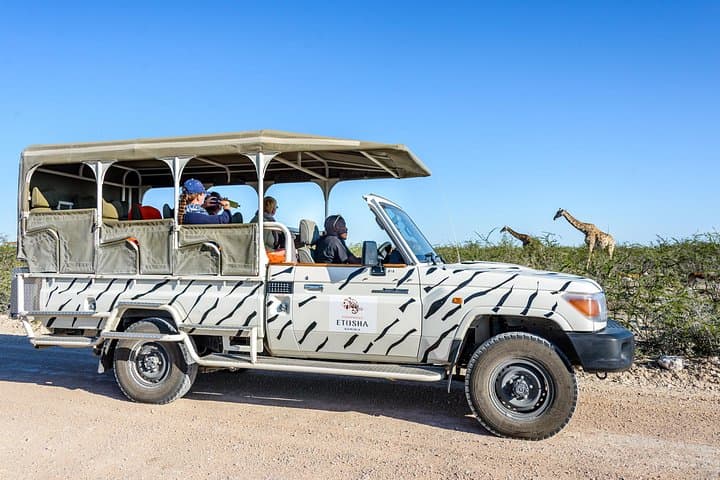
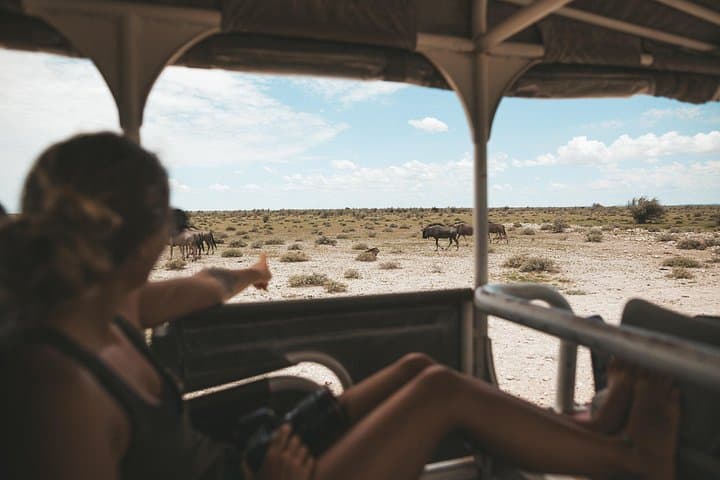
The first light arrives over the salt pan as the 24-seater game vehicle hums northbound from Windhoek. Dust lifts from the roadside and the land opens: thorn scrub giving way to pale expanses where antelope silhouette the horizon and a lone baobab keeps watch. By afternoon you'll be at Etosha Safari Camp — lunch, a quick gear check, then out again as the park's waterholes begin to collect the day's traffic.
Verified experiences and guided adventures in the surrounding area.
Operated by Beyond Africa Safaris (Pty)Ltd · Outjo, Kunene
The first light arrives over the salt pan as the 24-seater game vehicle hums northbound from Windhoek. Dust lifts from the roadside and the land opens: thorn scrub giving way to pale expanses where antelope silhouette the horizon and a lone baobab keeps watch. By afternoon you'll be at Etosha Safari Camp — lunch, a quick gear check, then out again as the park's waterholes begin to collect the day's traffic.
Etosha's flat pan is the geological heartbeat here: a shallow, seasonally dry basin left by an ancient lake, its crust of white salt creating stark visual drama and concentrating wildlife around reliable water. The park dates back to the early 1900s as a protected area and has long been central to Namibia's conservation story, from early colonial hunting reserves to modern anti-poaching and community programs.
Culturally, the route north crosses Otjozondjupa farmlands and small towns where Herero and Ovambo influences shape markets, crafts and roadside food stalls — a good place to stretch and support local vendors.
Practical note: game drives are about patient observation more than speed. Expect early departures (30 minutes before sunrise), long afternoons scanning for predators, and crisp, cool mornings. Bring layered clothing, sun protection, binoculars and a telephoto lens; vehicles are open-sided and can be chilly at dawn. Hydrate between drives, follow guides' instructions on animal distance, and plan for dusty roads during transfers. This 3-day itinerary balances long drives with two full safari days — ideal for photographers and first-time safari-goers seeking concentrated wildlife viewing without remote camping logistics.
easy.
3 days.
Basic fitness and mobility for short walks and entering/exiting safari vehicles; comfortable sitting for multi-hour drives.
Etosha is excellent for lion, elephant and rhino sightings and regularly produces leopard encounters; buffalo is less common—guides maximize viewing but sightings can't be guaranteed.
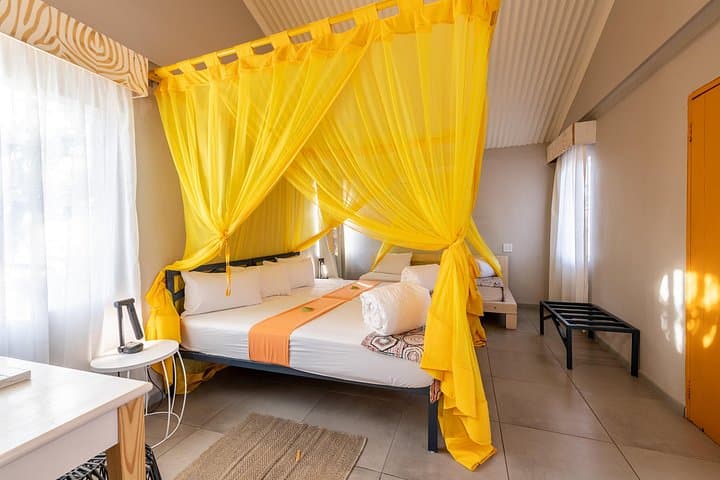
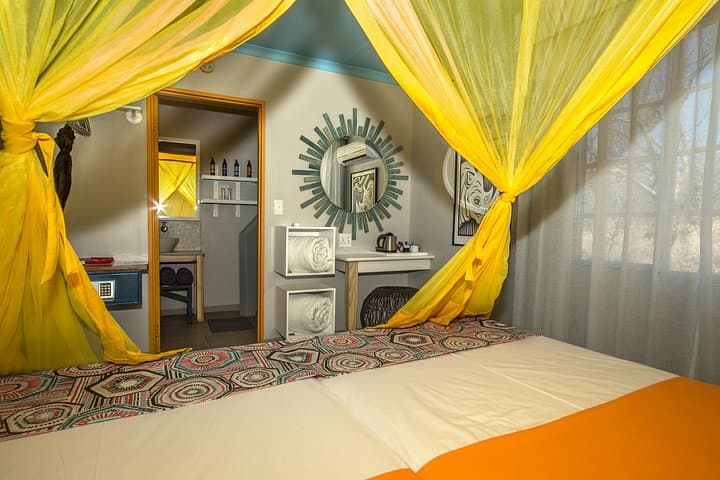
Accommodation at Etosha Safari Camp, park fees, guided game drives, most meals listed, snacks, bottled water, transport and insurance are included—confirm dietary needs during booking.
Safari vehicles used are not wheelchair-accessible; participants should have basic mobility to board the vehicle and climb steps.
Tipping is discretionary; a common guideline is US$5–10 per person per day for guides and similar amounts for lodge staff, adjusted to service and local custom.
Etosha was set aside as a protected area in the early 20th century; its salt pan and surrounding savanna have shaped conservation priorities in Namibia for decades.
Park management relies on controlled water provisioning, anti-poaching units and community partnerships to protect sensitive species and reduce human-wildlife conflict.
Beyond Africa Safaris (Pty)Ltd operates guided outdoor trips and adventures with an emphasis on safety, stewardship, and memorable experiences.
The first light arrives over the salt pan as the 24-seater game vehicle hums northbound from Windhoek. Dust lifts from the roadside and the land opens: thorn scrub giving way to pale expanses where antelope silhouette the horizon and a lone baobab keeps watch. By afternoon you'll be at Etosha Safari Camp — lunch, a quick gear check, then out again as the park's waterholes begin to collect the day's traffic.
The first light arrives over the salt pan as the 24-seater game vehicle hums northbound from Windhoek. Dust lifts from the roadside and the land opens: thorn scrub giving way to pale expanses where antelope silhouette the horizon and a lone baobab keeps watch. By afternoon you'll be at Etosha Safari Camp — lunch, a quick gear check, then out again as the park's waterholes begin to collect the day's traffic.
Etosha's flat pan is the geological heartbeat here: a shallow, seasonally dry basin left by an ancient lake, its crust of white salt creating stark visual drama and concentrating wildlife around reliable water. The park dates back to the early 1900s as a protected area and has long been central to Namibia's conservation story, from early colonial hunting reserves to modern anti-poaching and community programs.
Culturally, the route north crosses Otjozondjupa farmlands and small towns where Herero and Ovambo influences shape markets, crafts and roadside food stalls — a good place to stretch and support local vendors.
Practical note: game drives are about patient observation more than speed. Expect early departures (30 minutes before sunrise), long afternoons scanning for predators, and crisp, cool mornings. Bring layered clothing, sun protection, binoculars and a telephoto lens; vehicles are open-sided and can be chilly at dawn. Hydrate between drives, follow guides' instructions on animal distance, and plan for dusty roads during transfers. This 3-day itinerary balances long drives with two full safari days — ideal for photographers and first-time safari-goers seeking concentrated wildlife viewing without remote camping logistics.