THE ADVENTURE COLLECTIVE® · Independent discovery and booking for outdoor travel

Two of Turkey’s great draws — the marble streets of Ephesus and the otherworldly valleys of Cappadocia — compressed into a three-day private tour from Istanbul. Expect long drives, early starts, and concentrated cultural immersion through Roman ruins, Byzantine cave churches and volcanic landscapes.
Two of Turkey’s great draws — the marble streets of Ephesus and the otherworldly valleys of Cappadocia — compressed into a three-day private tour from Istanbul. Expect long drives, early starts, and concentrated cultural immersion through Roman ruins, Byzantine cave churches and volcanic landscapes.
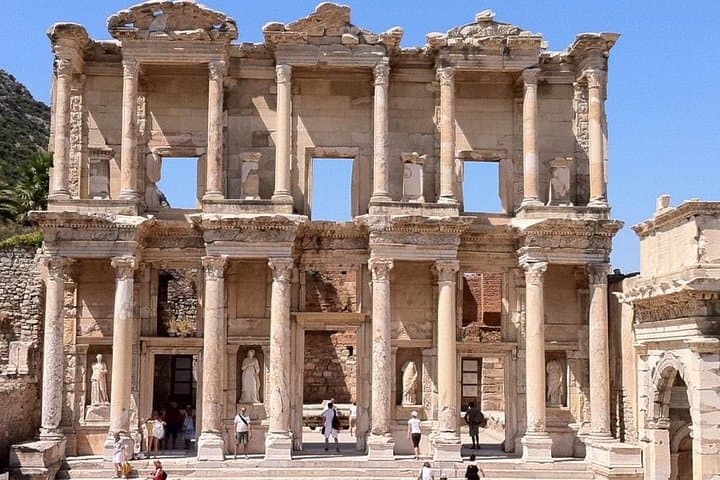
The bus eases out of Istanbul before dawn and a dry Anatolian wind meets you at the marble streets of ancient Ephesus — sun slicing through columns, dust settling on carved steps that have carried traders and pilgrims for two millennia.
Verified experiences and guided adventures in the surrounding area.
Operated by TRAVELIUM · Istanbul, Istanbul
The bus eases out of Istanbul before dawn and a dry Anatolian wind meets you at the marble streets of ancient Ephesus — sun slicing through columns, dust settling on carved steps that have carried traders and pilgrims for two millennia.
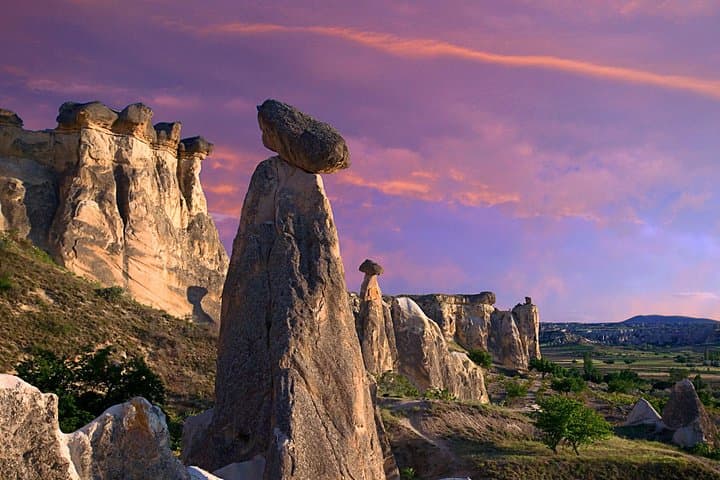
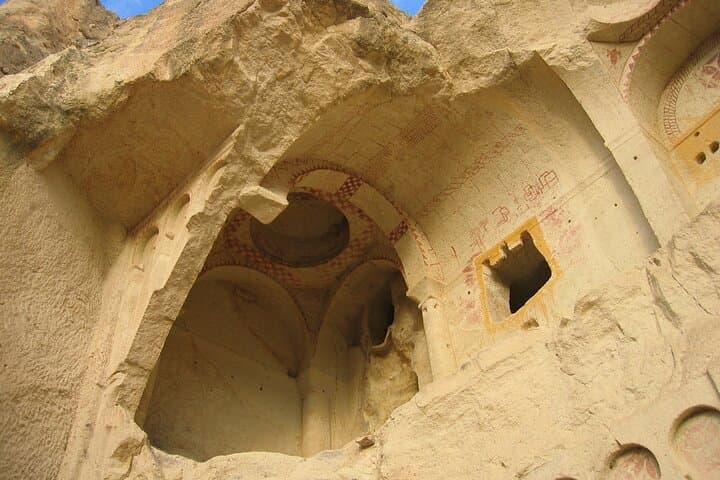
Day one moves through Roman civic life: the Celsus Library’s façade, the Odeon, and the theatre that once held 25,000. By the second day the landscape changes: volcanic tuff sculpts Cappadocia into chimneys, caves and hidden underground cities where communities sheltered for centuries. Geology here is active history — ash and lava compacted into soft stone that human hands hollowed into homes, churches and pigeon roosts.
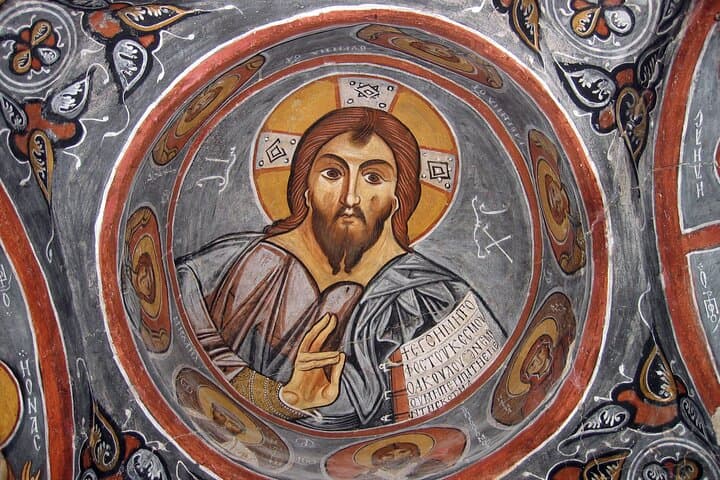
Culturally the route stitches Hellenistic, Roman, Byzantine and Seljuk layers. Caravanserais and pottery workshops in Avanos recall old trade routes along the Kızılırmak, while Göreme’s rock churches still show Byzantine fresco fragments.
Practical guidance: carry your passport and copies, expect uneven stone and carved stairways, and schedule Cappadocia’s early-morning activities (hot-air balloons, sunrise viewpoints) in advance. Comfortable, grippy footwear and a layered system handle cool mornings and hot afternoons. Follow local guides on site to keep to permitted paths; many cave sites are fragile and access is controlled.
This itinerary compresses long drives into three intense days — pace yourself, hydrate, and allow time in Göreme or Izmir after the tour if you want to unpack more slowly. With moderate fitness, the trip rewards with close-up encounters of archaeology and a landscape that seems to keep rewriting its own history.
moderate.
3 days.
Suitable for travelers with moderate fitness who can manage several hours of walking and stairs over multiple days
Pickup is typically arranged from Istanbul; confirm your pickup point with the operator before departure.
Some admissions may be included while others are paid locally—check your booking details and bring local currency for any fees not covered.
Yes; independent travelers can arrange regional flights to Nevşehir or Kayseri, but this multi-day private tour usually includes road transfers from Istanbul.
Balloon rides are usually optional and booked separately; the itinerary includes valley viewpoints but not the balloon fare unless specified.
Ephesus was a major Roman provincial capital and port; Cappadocia’s cave networks developed from Byzantine-era monastic communities and later as refuges during invasions.
Many rock-cut churches and dovecotes are fragile; visitors should follow marked routes and avoid touching frescoes to reduce wear, while local programs work to manage erosion and tourist impact.
TRAVELIUM operates guided outdoor trips and adventures with an emphasis on safety, stewardship, and memorable experiences.
The bus eases out of Istanbul before dawn and a dry Anatolian wind meets you at the marble streets of ancient Ephesus — sun slicing through columns, dust settling on carved steps that have carried traders and pilgrims for two millennia.
The bus eases out of Istanbul before dawn and a dry Anatolian wind meets you at the marble streets of ancient Ephesus — sun slicing through columns, dust settling on carved steps that have carried traders and pilgrims for two millennia.
Day one moves through Roman civic life: the Celsus Library’s façade, the Odeon, and the theatre that once held 25,000. By the second day the landscape changes: volcanic tuff sculpts Cappadocia into chimneys, caves and hidden underground cities where communities sheltered for centuries. Geology here is active history — ash and lava compacted into soft stone that human hands hollowed into homes, churches and pigeon roosts.
Culturally the route stitches Hellenistic, Roman, Byzantine and Seljuk layers. Caravanserais and pottery workshops in Avanos recall old trade routes along the Kızılırmak, while Göreme’s rock churches still show Byzantine fresco fragments.
Practical guidance: carry your passport and copies, expect uneven stone and carved stairways, and schedule Cappadocia’s early-morning activities (hot-air balloons, sunrise viewpoints) in advance. Comfortable, grippy footwear and a layered system handle cool mornings and hot afternoons. Follow local guides on site to keep to permitted paths; many cave sites are fragile and access is controlled.
This itinerary compresses long drives into three intense days — pace yourself, hydrate, and allow time in Göreme or Izmir after the tour if you want to unpack more slowly. With moderate fitness, the trip rewards with close-up encounters of archaeology and a landscape that seems to keep rewriting its own history.