THE ADVENTURE COLLECTIVE® · Independent discovery and booking for outdoor travel

A compact, well-paced three-day loop from Marsa Alam to Cairo, Aswan, Abu Simbel and Luxor. Ideal for travelers who want concentrated access to Egypt’s top archaeological sites with guided transfers and domestic flights.
A compact, well-paced three-day loop from Marsa Alam to Cairo, Aswan, Abu Simbel and Luxor. Ideal for travelers who want concentrated access to Egypt’s top archaeological sites with guided transfers and domestic flights.
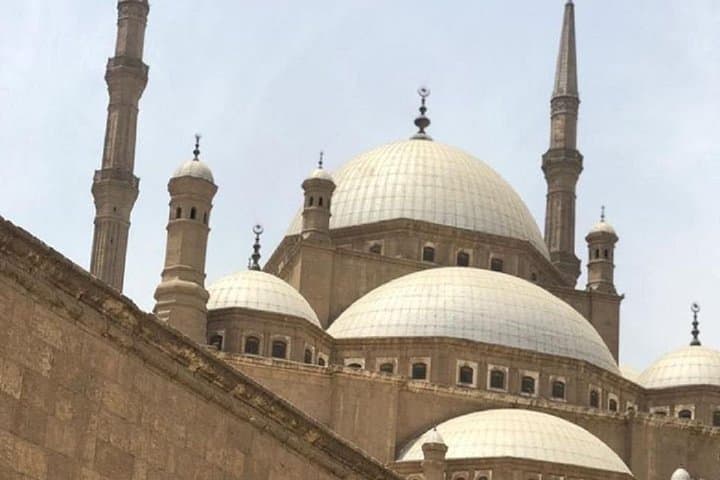
Morning light slices across the desert as travelers leave the Red Sea coast and head inland — a compact three-day sweep through Egypt’s most iconic monuments. Starting in Marsa Alam, the itinerary threads fast flights and long drives into a measured run of ancient sites: the Giza plateau at dawn, the vaulted halls of the Egyptian Museum, the monumental façade of Abu Simbel, and the twin banks of Luxor where tombs and temples face the Nile.
Verified experiences and guided adventures in the surrounding area.
Operated by Excursies Egypte-Day Tours · Marsa Alam, Red Sea Governorate
Morning light slices across the desert as travelers leave the Red Sea coast and head inland — a compact three-day sweep through Egypt’s most iconic monuments. Starting in Marsa Alam, the itinerary threads fast flights and long drives into a measured run of ancient sites: the Giza plateau at dawn, the vaulted halls of the Egyptian Museum, the monumental façade of Abu Simbel, and the twin banks of Luxor where tombs and temples face the Nile.
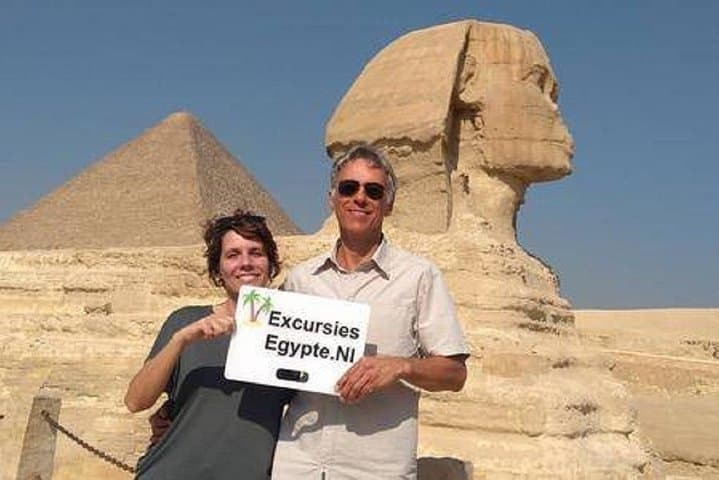
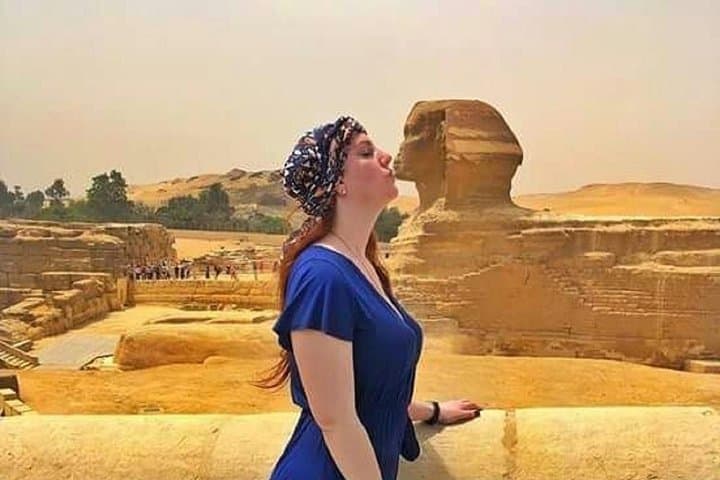
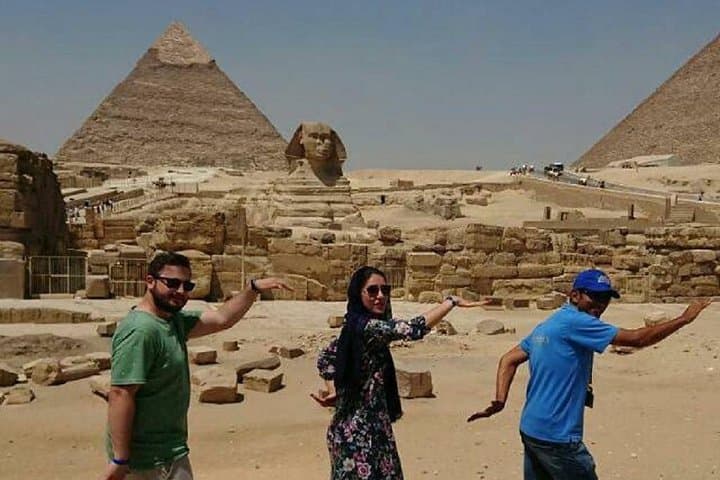
The route crosses millennia. The Giza pyramids and Sphinx date to Egypt’s Old Kingdom; Luxor’s Valley of the Kings and Hatshepsut’s mortuary temple belong to the New Kingdom; Abu Simbel, carved under Ramesses II, was famously relocated in 1968 to save it from the rising Aswan High Dam reservoir. Geology matters here: sandstone temples and limestone pyramids weather differently, and the life-giving Nile slices fertile bands through arid desert.
Cultural notes: expect lively bazaars at Khan el-Khalili, knowledgeable Egyptologist guides, and local lunch stops serving classic Egyptian fare. Practicalities are straight-forward but firm: travel days are long — pre-dawn departures and overnight hotel stops in Aswan and Luxor — and domestic flights and road transfers link the loop.
Bring sun protection, a comfortable daypack, and a photocopy of your passport for permits. Pace your sightseeing: allow time for museum queues, temple orientation, and a short felucca sail in Aswan to reset between drives. For travelers seeking concentrated access to Egypt’s headline sites without extensive trekking, this three-day circuit delivers history, landscape, and practical logistics in a single, tightly scheduled package.
easy.
3 days.
Suitable for travelers in average fitness; requires ability to walk on uneven temple steps and tolerate long travel days
Most nationalities need an Egyptian entry visa; check current visa rules and ensure passport validity meets requirements before travel.
Yes — the itinerary includes domestic flights (Hurghada–Cairo and Cairo–Aswan) arranged as part of the tour logistics.
Yes; Abu Simbel is open year-round, but visits involve a long early-morning drive and can be hot; winter mornings are cooler and more comfortable.
The tour notes wheelchair-accessible transport and sites, but some temple areas have steps and uneven ground; discuss specific needs with the operator before booking.
This route stitches together Egypt’s Old and New Kingdom highlights; Abu Simbel’s relocation in 1968 to avoid flooding from the Aswan High Dam is a defining modern engineering and preservation story.
High-traffic sites manage visitor flows to protect fragile stone and painted reliefs; stick to marked paths, avoid touching carvings, and follow local guide instructions to reduce wear.
Excursies Egypte-Day Tours operates guided outdoor trips and adventures with an emphasis on safety, stewardship, and memorable experiences.
Morning light slices across the desert as travelers leave the Red Sea coast and head inland — a compact three-day sweep through Egypt’s most iconic monuments. Starting in Marsa Alam, the itinerary threads fast flights and long drives into a measured run of ancient sites: the Giza plateau at dawn, the vaulted halls of the Egyptian Museum, the monumental façade of Abu Simbel, and the twin banks of Luxor where tombs and temples face the Nile.
Morning light slices across the desert as travelers leave the Red Sea coast and head inland — a compact three-day sweep through Egypt’s most iconic monuments. Starting in Marsa Alam, the itinerary threads fast flights and long drives into a measured run of ancient sites: the Giza plateau at dawn, the vaulted halls of the Egyptian Museum, the monumental façade of Abu Simbel, and the twin banks of Luxor where tombs and temples face the Nile.
The route crosses millennia. The Giza pyramids and Sphinx date to Egypt’s Old Kingdom; Luxor’s Valley of the Kings and Hatshepsut’s mortuary temple belong to the New Kingdom; Abu Simbel, carved under Ramesses II, was famously relocated in 1968 to save it from the rising Aswan High Dam reservoir. Geology matters here: sandstone temples and limestone pyramids weather differently, and the life-giving Nile slices fertile bands through arid desert.
Cultural notes: expect lively bazaars at Khan el-Khalili, knowledgeable Egyptologist guides, and local lunch stops serving classic Egyptian fare. Practicalities are straight-forward but firm: travel days are long — pre-dawn departures and overnight hotel stops in Aswan and Luxor — and domestic flights and road transfers link the loop.
Bring sun protection, a comfortable daypack, and a photocopy of your passport for permits. Pace your sightseeing: allow time for museum queues, temple orientation, and a short felucca sail in Aswan to reset between drives. For travelers seeking concentrated access to Egypt’s headline sites without extensive trekking, this three-day circuit delivers history, landscape, and practical logistics in a single, tightly scheduled package.