THE ADVENTURE COLLECTIVE® · Independent discovery and booking for outdoor travel

A compact, three-day circuit from Marsa Alam links Cairo’s pyramids, Abu Simbel’s colossi and Luxor’s funerary landscape. Expect early starts, long transfers and guided walks through some of Egypt’s most iconic archaeological sites.
A compact, three-day circuit from Marsa Alam links Cairo’s pyramids, Abu Simbel’s colossi and Luxor’s funerary landscape. Expect early starts, long transfers and guided walks through some of Egypt’s most iconic archaeological sites.
Morning light hits the red sand outside Marsa Alam as your driver slides the door open — the first of several transfers on a compact, history-dense route across Egypt. Over the next 72 hours you trade desert horizon for the crowded arteries of Cairo, the monumental facades of Abu Simbel, and the layered ruins lining the Nile in Luxor.
Verified experiences and guided adventures in the surrounding area.
Operated by Egypt Best Day Tours · Marsa Alam, Red Sea Governorate
Morning light hits the red sand outside Marsa Alam as your driver slides the door open — the first of several transfers on a compact, history-dense route across Egypt. Over the next 72 hours you trade desert horizon for the crowded arteries of Cairo, the monumental facades of Abu Simbel, and the layered ruins lining the Nile in Luxor.
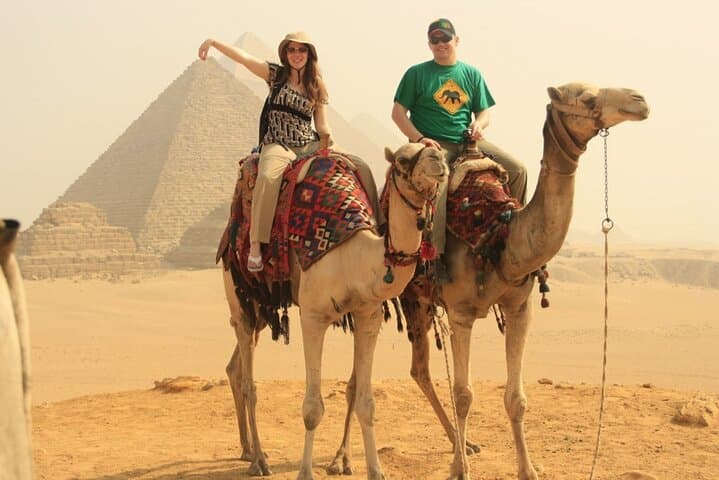
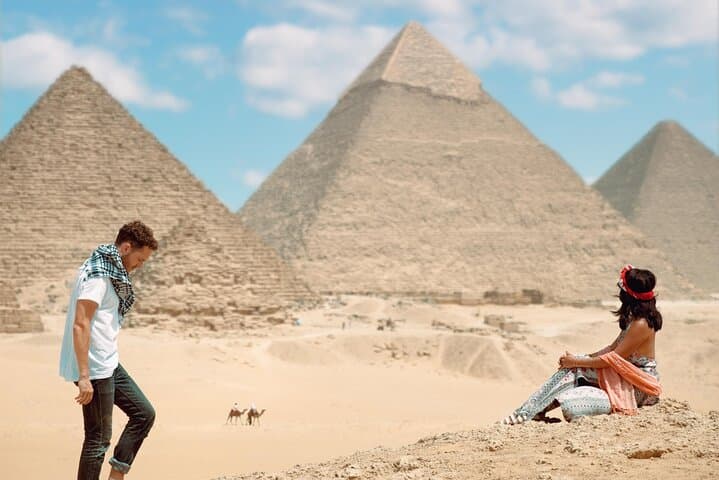
This itinerary threads together three millennia of pharaonic power. At Giza you’ll read the scale of Old Kingdom ambition in the geometry of Khufu’s pyramid and the Sphinx’s weathered stare. Abu Simbel’s relocated colossi speak to modern engineering and Ramses II’s desire to assert influence on the southern frontier; the Aswan High Dam altered both landscape and hydrology, reshaping the Nile’s seasonal pulse that has fed Egyptian civilization for millennia. In Luxor, sandstone pylons, the Sacred Lake at Karnak and tomb-lined ridges on the West Bank map ritual, art and funerary geology across limestone and alluvial terraces.
Practical guide: expect early departures (Abu Simbel often begins pre-dawn), comfortable but extensive transfers by air and road, and a mix of guided walking and stands at viewpoints. Dress respectfully for religious and archaeological sites — light, long sleeves and a scarf for sun and temple modesty work best. Carry cash for entry fees, tips and small purchases; bring a refillable water bottle and sun protection. Pace your days: heat, stairs and uneven surfaces are constant companions. With planning — sensible footwear, passport photocopies and awareness of local customs — the three days deliver concentrated access to Egypt’s most iconic monuments.
moderate.
3 days (approx. 72 hours).
Suitable for travelers in average health who can manage several hours of walking, stairs and brief uneven terrain.
This itinerary includes internal flights and all transfers in air-conditioned vehicles as listed in the program.
Admissions are not explicitly included in the description—confirm with the operator which site entrance fees are covered and which are additional.
Modest clothing that covers shoulders and knees is recommended; a light scarf or long shirt is useful for both men and women.
The tour is described as physically easy, but early starts, flights and walking can be tiring; check mobility requirements and consider private pacing options.
These sites span Egypt’s long pharaonic history—Old Kingdom pyramids in Giza, New Kingdom complexes in Luxor, and New Kingdom assertions of power at Abu Simbel under Ramses II.
Many monuments are actively managed to limit visitor impact—respect barriers and photography rules. Water scarcity in the region makes minimizing plastic waste and conserving resources an important part of responsible travel.
Egypt Best Day Tours operates guided outdoor trips and adventures with an emphasis on safety, stewardship, and memorable experiences.


Morning light hits the red sand outside Marsa Alam as your driver slides the door open — the first of several transfers on a compact, history-dense route across Egypt. Over the next 72 hours you trade desert horizon for the crowded arteries of Cairo, the monumental facades of Abu Simbel, and the layered ruins lining the Nile in Luxor.
Morning light hits the red sand outside Marsa Alam as your driver slides the door open — the first of several transfers on a compact, history-dense route across Egypt. Over the next 72 hours you trade desert horizon for the crowded arteries of Cairo, the monumental facades of Abu Simbel, and the layered ruins lining the Nile in Luxor.
This itinerary threads together three millennia of pharaonic power. At Giza you’ll read the scale of Old Kingdom ambition in the geometry of Khufu’s pyramid and the Sphinx’s weathered stare. Abu Simbel’s relocated colossi speak to modern engineering and Ramses II’s desire to assert influence on the southern frontier; the Aswan High Dam altered both landscape and hydrology, reshaping the Nile’s seasonal pulse that has fed Egyptian civilization for millennia. In Luxor, sandstone pylons, the Sacred Lake at Karnak and tomb-lined ridges on the West Bank map ritual, art and funerary geology across limestone and alluvial terraces.
Practical guide: expect early departures (Abu Simbel often begins pre-dawn), comfortable but extensive transfers by air and road, and a mix of guided walking and stands at viewpoints. Dress respectfully for religious and archaeological sites — light, long sleeves and a scarf for sun and temple modesty work best. Carry cash for entry fees, tips and small purchases; bring a refillable water bottle and sun protection. Pace your days: heat, stairs and uneven surfaces are constant companions. With planning — sensible footwear, passport photocopies and awareness of local customs — the three days deliver concentrated access to Egypt’s most iconic monuments.