THE ADVENTURE COLLECTIVE® · Independent discovery and booking for outdoor travel

Cross the High Atlas, walk the red corridors of Ait Ben Haddou, and sleep beneath Berber tents on Erg Chebbi. This three-day loop from Marrakech mixes UNESCO heritage, river gorges, and desert dunes with practical logistics for first-time Sahara travelers.
Cross the High Atlas, walk the red corridors of Ait Ben Haddou, and sleep beneath Berber tents on Erg Chebbi. This three-day loop from Marrakech mixes UNESCO heritage, river gorges, and desert dunes with practical logistics for first-time Sahara travelers.
The road ups and down the High Atlas opens like the first page of a travel story: narrow switchbacks, stone villages clinging to slopes, and views that stretch until the mountains dissolve into ochre desert.
Verified experiences and guided adventures in the surrounding area.
Operated by Morocco tours countryside · Merzouga, Errachidia Province
The road ups and down the High Atlas opens like the first page of a travel story: narrow switchbacks, stone villages clinging to slopes, and views that stretch until the mountains dissolve into ochre desert.
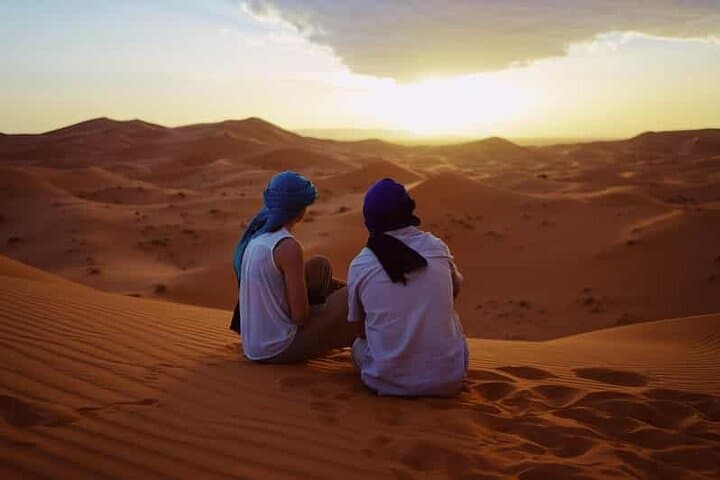
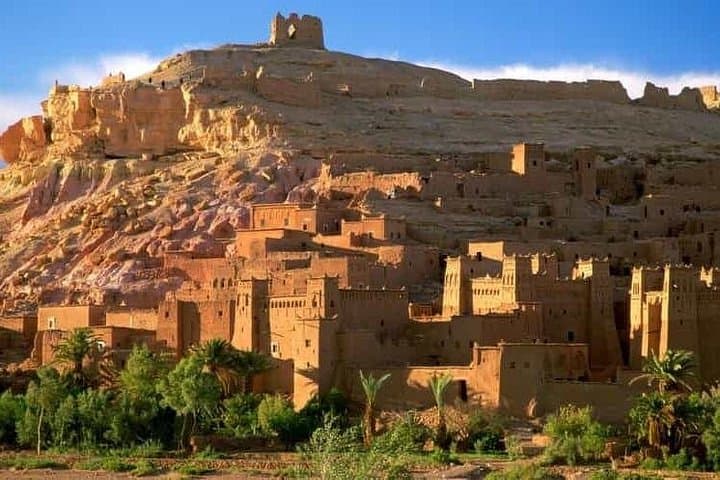
Starting in Marrakech, the route crests Tizi n’Tichka and drops toward the World Heritage kasbah of Ait Ben Haddou, a compact mud-brick town that reads like living history. Beyond Ouarzazate the land changes—river-carved gorges at Todra give way to the Tafilalet oasis and finally the large orange waves of Erg Chebbi. The dunes are more than scenery; they are shifting architecture, wind carving ridges that dare you to climb them at sunrise.
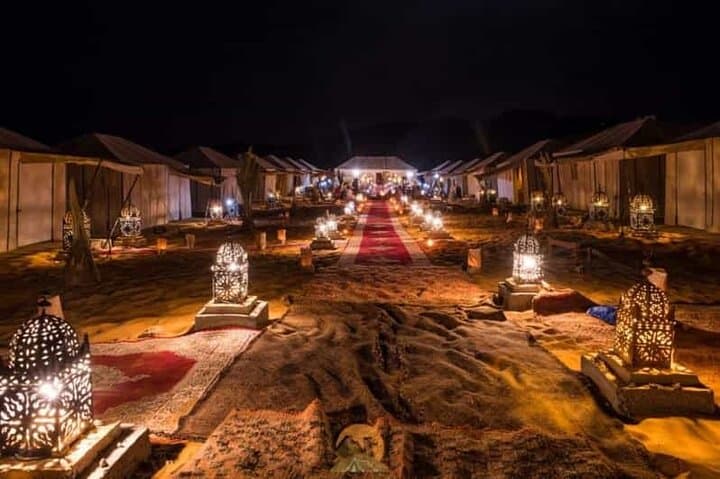
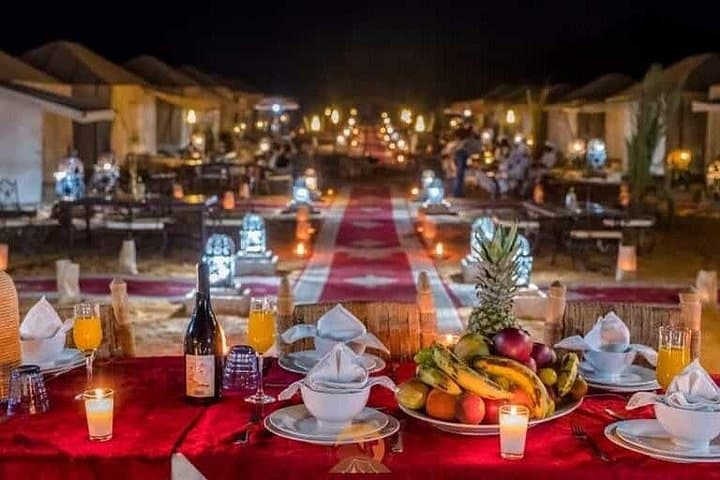
This three-day itinerary balances cultural stops with time in the Sahara: two nights’ meals included, a hotel in Tinghir, a desert camp in Merzouga, sunset and sunrise camel rides, and an evening of drummed music in Berber tents. Expect long stretches on an air-conditioned minibus, short walks at sites like Todra Gorge, and sandboarding on the highest dunes.
Practical side: pack layers for cold desert nights and hot days, bring sun protection and a refillable water bottle, and limit luggage to one small overnight bag for the camp transfer. Cameras with dust protection and comfortable, closed-toe shoes will make the camel transitions and dune climbs more enjoyable. Respect local customs—ask before photographing people—and leave no trace in the fragile dune environment. The route is accessible for most travelers but involves long drives; plan rest and carry basic motion-sickness remedies if needed.
moderate.
3 days.
Comfortable for travelers who can handle several hours of travel per day, short hikes, and mounting camels; not physically demanding but requires mobility.
Camel rides are paced and designed for most travelers; dune climbs are short but can be steep in soft sand—basic balance and mobility suffice.
Small towns often rely on cash; withdraw money in larger towns like Erfoud or Ouarzazate before heading into the desert.
Bring a small bag with essentials (warm layer, toiletries, camera). The main luggage stays in the hotel while you take a smaller overnight bag to the camp.
Traditional Berber camps offer private tents but facilities vary; most camps have communal or basic sanitary facilities—confirm specifics with the operator.
Ait Ben Haddou was a caravan stop and film location; the region’s kasbahs reflect centuries of trade routes between the Sahara and Moroccan cities.
Erg Chebbi’s dunes are fragile—stay on established paths, avoid littering, and support local camps that use renewable water practices and minimize waste.
Morocco tours countryside operates guided outdoor trips and adventures with an emphasis on safety, stewardship, and memorable experiences.
The road ups and down the High Atlas opens like the first page of a travel story: narrow switchbacks, stone villages clinging to slopes, and views that stretch until the mountains dissolve into ochre desert.
The road ups and down the High Atlas opens like the first page of a travel story: narrow switchbacks, stone villages clinging to slopes, and views that stretch until the mountains dissolve into ochre desert.
Starting in Marrakech, the route crests Tizi n’Tichka and drops toward the World Heritage kasbah of Ait Ben Haddou, a compact mud-brick town that reads like living history. Beyond Ouarzazate the land changes—river-carved gorges at Todra give way to the Tafilalet oasis and finally the large orange waves of Erg Chebbi. The dunes are more than scenery; they are shifting architecture, wind carving ridges that dare you to climb them at sunrise.
This three-day itinerary balances cultural stops with time in the Sahara: two nights’ meals included, a hotel in Tinghir, a desert camp in Merzouga, sunset and sunrise camel rides, and an evening of drummed music in Berber tents. Expect long stretches on an air-conditioned minibus, short walks at sites like Todra Gorge, and sandboarding on the highest dunes.
Practical side: pack layers for cold desert nights and hot days, bring sun protection and a refillable water bottle, and limit luggage to one small overnight bag for the camp transfer. Cameras with dust protection and comfortable, closed-toe shoes will make the camel transitions and dune climbs more enjoyable. Respect local customs—ask before photographing people—and leave no trace in the fragile dune environment. The route is accessible for most travelers but involves long drives; plan rest and carry basic motion-sickness remedies if needed.