THE ADVENTURE COLLECTIVE® · Independent discovery and booking for outdoor travel

Leave Marrakech at dawn and cross Atlas passes, palm-lined valleys and endless dunes on a private three-day trip to Mhamid and Erg Chegaga. Expect sunset camel rides, nights in Berber tents, and long 4x4 crossings that reveal Morocco’s desert heart.
Leave Marrakech at dawn and cross Atlas passes, palm-lined valleys and endless dunes on a private three-day trip to Mhamid and Erg Chegaga. Expect sunset camel rides, nights in Berber tents, and long 4x4 crossings that reveal Morocco’s desert heart.
The van peels away from Marrakech before dawn, Atlas ridgelines sliding past the windows as towns thin into ochre tracks and, eventually, an ocean of wind-sculpted sand. By late afternoon the caravan of 4x4s finds the first dunes; camels wait like patient boats to ferry you out across a landscape that changes with every step and sunset.
Verified experiences and guided adventures in the surrounding area.
Operated by Sunny Morocco · Marrakech, Marrakesh-Safi
The van peels away from Marrakech before dawn, Atlas ridgelines sliding past the windows as towns thin into ochre tracks and, eventually, an ocean of wind-sculpted sand. By late afternoon the caravan of 4x4s finds the first dunes; camels wait like patient boats to ferry you out across a landscape that changes with every step and sunset.
This route crosses centuries of history — the Tizi n’Tichka pass, the roadside Kasbah of Ait Benhaddou and traces of old trans-Saharan trade routes — then drops into the Draa palm valleys and the deep, silent dunes of Erg Chegaga and Erg Lihoudi. Geology here is recent: wind-driven sand over ancient continental rocks, with occasional dry salt pans marking ephemeral lakes.
Culturally, the south is shaped by Berber nomadic traditions; nights under the stars mean songs, mint tea and simple camp kitchens. Expect basic, comfortable tents and communal dining, not luxury lodges.
Practically: pack layers for hot days and cool nights, bring reusable water and a reliable headlamp. Camel rides are short-to-moderate (a few hours); vehicles handle the long transfers. Plan for dusty conditions and irregular phone service. Respect water conservation in camps and follow guide instructions on dune travel — the desert’s scale is beautiful but uncompromising.
This three-day loop is approachable for most travelers who can tolerate long drives and basic camping. It rewards patience with vast views, quiet nights and an intense feel for Sahara light and space.
easy.
3 days.
Suitable for travelers in average fitness; able to manage short camel rides and disembark safely, plus long vehicle transfers.
Camel transfers to the camps typically last about 1.5–3 hours, depending on the camp location and pace; rides are gentle but can be bumpy.
You’ll sleep in shared or private Berber tents with basic mattresses; camps provide blankets but a sleep liner or light sleeping bag adds comfort.
The trip is listed as suitable for most fitness levels, but camel mounts and soft sand can be difficult for some; contact the operator about accessibility and private vehicle options.
Bottled water is provided and included; meals are prepared by camp staff — stick to bottled water and freshly cooked food to minimize risk.
This corridor follows ancient trans-Saharan routes and features fortified kasbahs that sheltered traders and caravans moving goods between Sahara and imperial cities.
Water is scarce; travelers should minimize waste, avoid unnecessary campfires and follow guides’ instructions to protect fragile dune ecosystems.
Sunny Morocco operates guided outdoor trips and adventures with an emphasis on safety, stewardship, and memorable experiences.
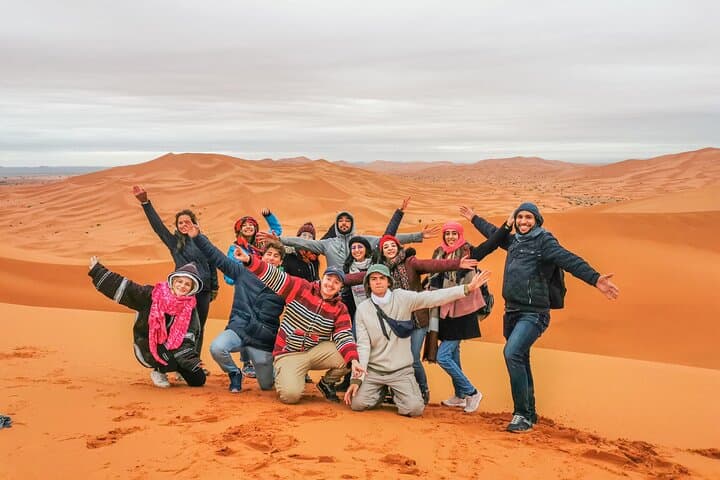
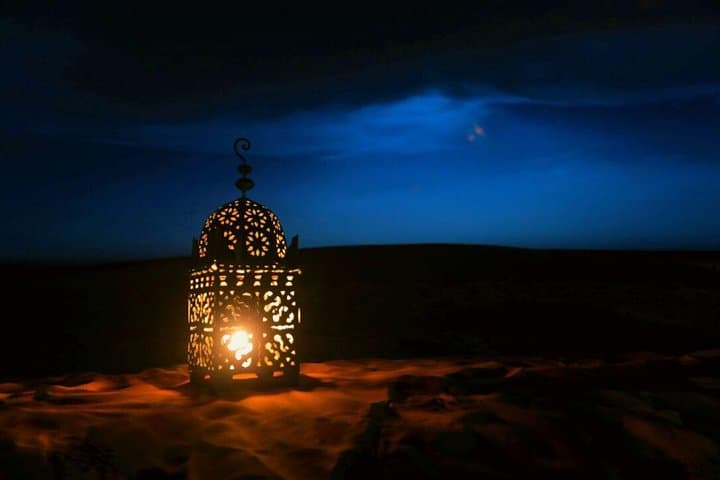
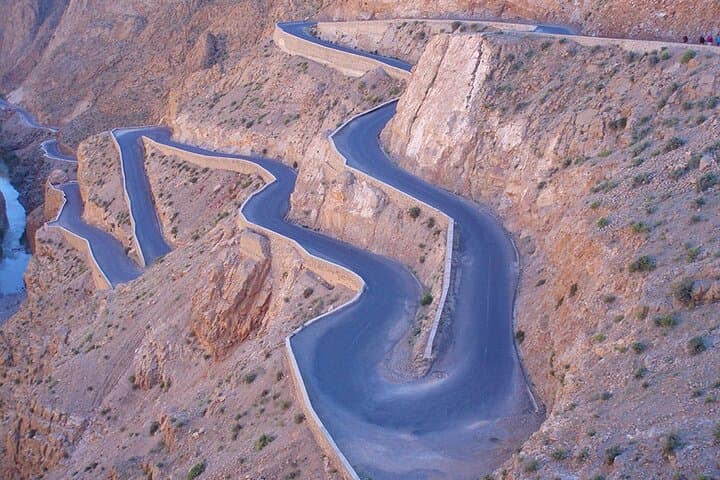
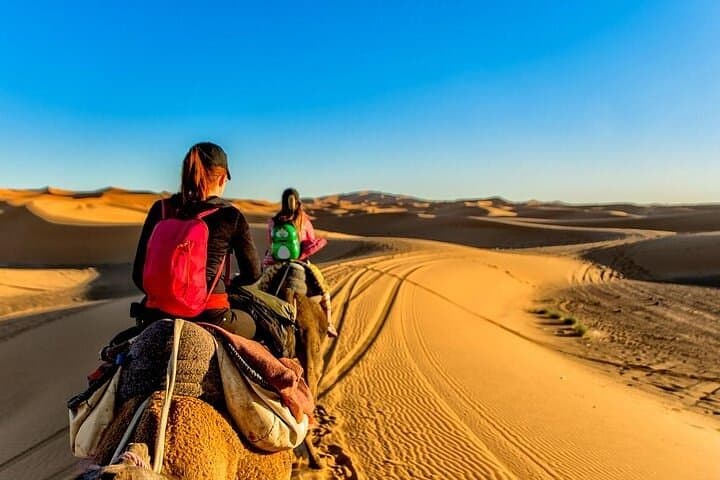
The van peels away from Marrakech before dawn, Atlas ridgelines sliding past the windows as towns thin into ochre tracks and, eventually, an ocean of wind-sculpted sand. By late afternoon the caravan of 4x4s finds the first dunes; camels wait like patient boats to ferry you out across a landscape that changes with every step and sunset.
The van peels away from Marrakech before dawn, Atlas ridgelines sliding past the windows as towns thin into ochre tracks and, eventually, an ocean of wind-sculpted sand. By late afternoon the caravan of 4x4s finds the first dunes; camels wait like patient boats to ferry you out across a landscape that changes with every step and sunset.
This route crosses centuries of history — the Tizi n’Tichka pass, the roadside Kasbah of Ait Benhaddou and traces of old trans-Saharan trade routes — then drops into the Draa palm valleys and the deep, silent dunes of Erg Chegaga and Erg Lihoudi. Geology here is recent: wind-driven sand over ancient continental rocks, with occasional dry salt pans marking ephemeral lakes.
Culturally, the south is shaped by Berber nomadic traditions; nights under the stars mean songs, mint tea and simple camp kitchens. Expect basic, comfortable tents and communal dining, not luxury lodges.
Practically: pack layers for hot days and cool nights, bring reusable water and a reliable headlamp. Camel rides are short-to-moderate (a few hours); vehicles handle the long transfers. Plan for dusty conditions and irregular phone service. Respect water conservation in camps and follow guide instructions on dune travel — the desert’s scale is beautiful but uncompromising.
This three-day loop is approachable for most travelers who can tolerate long drives and basic camping. It rewards patience with vast views, quiet nights and an intense feel for Sahara light and space.