THE ADVENTURE COLLECTIVE® · Independent discovery and booking for outdoor travel

Travel from Marrakech across the High Atlas to Erg Chebbi in a three-day loop that combines cinematic kasbahs, fossil towns, camel rides and a night in a nomad bivouac. Expect long drives, memorable dunes and authentic Berber hospitality.
Travel from Marrakech across the High Atlas to Erg Chebbi in a three-day loop that combines cinematic kasbahs, fossil towns, camel rides and a night in a nomad bivouac. Expect long drives, memorable dunes and authentic Berber hospitality.
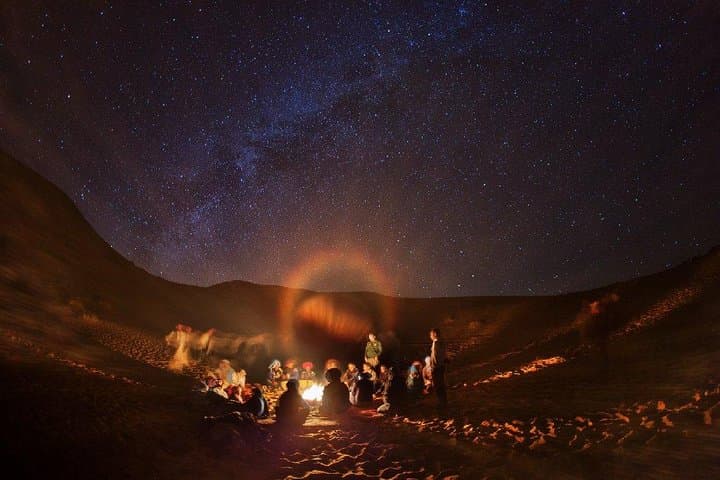
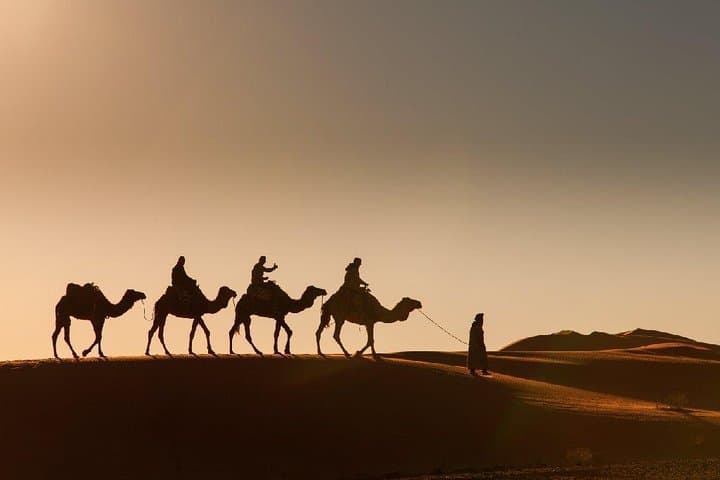
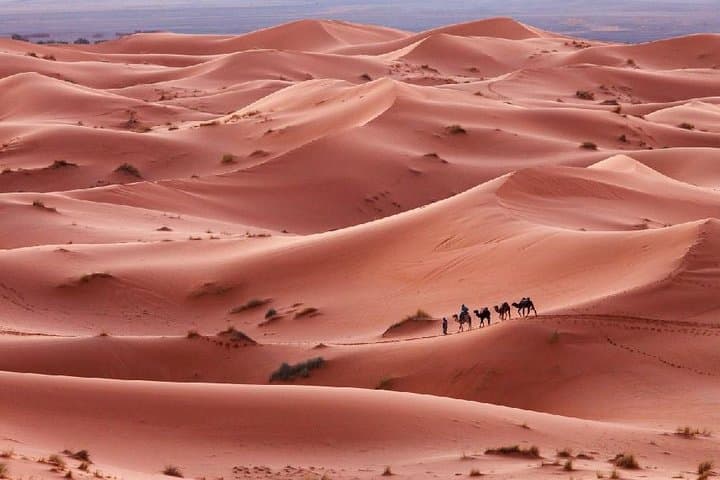
The road peels away from Marrakech at first light, winding up and over the Tizi n’Tichka (2,260 m) where the High Atlas breathes cold air into the car and the world shifts from ochre town to sculpted rock. By day two, the dunes of Erg Chebbi rise like a living wall; sand moves underfoot and the camel’s steady gait becomes the day's metronome. Nights here are wide and star-rich, with the bivouac tents offering a straightforward, communal way to sleep under the desert sky.
Verified experiences and guided adventures in the surrounding area.
Operated by esprit d'aventure marrakech · Merzouga, Errachidia Province
The road peels away from Marrakech at first light, winding up and over the Tizi n’Tichka (2,260 m) where the High Atlas breathes cold air into the car and the world shifts from ochre town to sculpted rock. By day two, the dunes of Erg Chebbi rise like a living wall; sand moves underfoot and the camel’s steady gait becomes the day's metronome. Nights here are wide and star-rich, with the bivouac tents offering a straightforward, communal way to sleep under the desert sky.
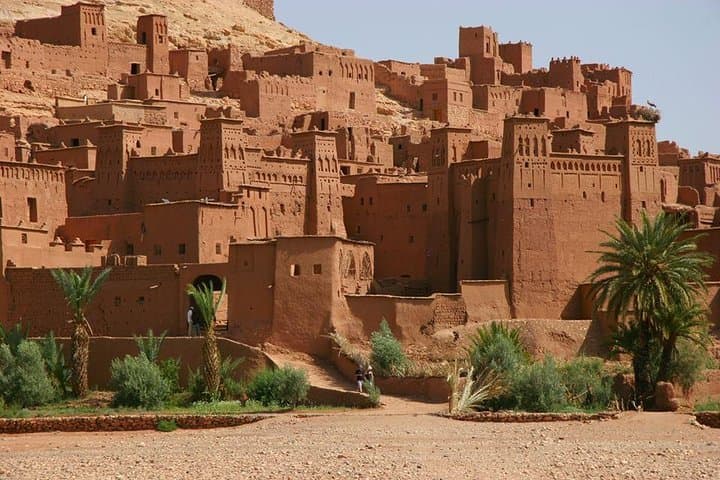
This route threads centuries of history: caravan routes, kasbahs such as Ait Ben Haddou (a UNESCO site), and the fossil-rich plains around Erfoud that speak to an ancient sea. Geologically, Erg Chebbi’s dunes can reach over 150 m and are recreated nightly by wind that shapes ridges and hollows. Culturally, your evenings and meals introduce Berber hospitality—simple tagines, mint tea, and stories around a small fire.
Practical guidance: expect long drives (the Marrakech–Merzouga leg is a full-day passage with meaningful stops) and basic sleeping arrangements in nomad tents. Pack layers — daytime heat and cold nights are standard — and bring sunscreen, a headlamp, and closed shoes for sand. Camel rides are gentle but ask for breaks if needed. Hydrate often; the desert pushes you without malice. Timing your travel in spring or fall gives milder temperatures and better comfort for walking short dune routes. Respect local communities and the dune system: stay on tracks, avoid removing fossils, and leave minimal trace.
moderate.
3 days.
Basic fitness is sufficient—able to handle several hours of walking on sand and short camel rides; comfortable with long vehicle transfers.
Typical camel rides to the bivouac are 45–90 minutes—long enough to reach the camp and watch sunset, with options to ride shorter or longer segments.
Tents are simple, communal-style bivouac shelters with mattresses and blankets; they provide shelter but bring a warm layer for cold nights.
Most departures begin in Marrakech as advertised, but some operators may arrange pickups from nearby cities—confirm during booking.
Camel rides and desert terrain can aggravate spinal issues; the operator cautions those with serious back problems to avoid or seek medical advice first.
The route follows historic caravan corridors linking Marrakech with Saharan trade centers; Ait Ben Haddou represents fortified clay architecture used for centuries and often featured in film.
Dune ecosystems are fragile—avoid off-track driving, don’t remove fossils or plants, and support local guides who practice low-impact camping.
esprit d'aventure marrakech operates guided outdoor trips and adventures with an emphasis on safety, stewardship, and memorable experiences.
The road peels away from Marrakech at first light, winding up and over the Tizi n’Tichka (2,260 m) where the High Atlas breathes cold air into the car and the world shifts from ochre town to sculpted rock. By day two, the dunes of Erg Chebbi rise like a living wall; sand moves underfoot and the camel’s steady gait becomes the day's metronome. Nights here are wide and star-rich, with the bivouac tents offering a straightforward, communal way to sleep under the desert sky.
The road peels away from Marrakech at first light, winding up and over the Tizi n’Tichka (2,260 m) where the High Atlas breathes cold air into the car and the world shifts from ochre town to sculpted rock. By day two, the dunes of Erg Chebbi rise like a living wall; sand moves underfoot and the camel’s steady gait becomes the day's metronome. Nights here are wide and star-rich, with the bivouac tents offering a straightforward, communal way to sleep under the desert sky.
This route threads centuries of history: caravan routes, kasbahs such as Ait Ben Haddou (a UNESCO site), and the fossil-rich plains around Erfoud that speak to an ancient sea. Geologically, Erg Chebbi’s dunes can reach over 150 m and are recreated nightly by wind that shapes ridges and hollows. Culturally, your evenings and meals introduce Berber hospitality—simple tagines, mint tea, and stories around a small fire.
Practical guidance: expect long drives (the Marrakech–Merzouga leg is a full-day passage with meaningful stops) and basic sleeping arrangements in nomad tents. Pack layers — daytime heat and cold nights are standard — and bring sunscreen, a headlamp, and closed shoes for sand. Camel rides are gentle but ask for breaks if needed. Hydrate often; the desert pushes you without malice. Timing your travel in spring or fall gives milder temperatures and better comfort for walking short dune routes. Respect local communities and the dune system: stay on tracks, avoid removing fossils, and leave minimal trace.