THE ADVENTURE COLLECTIVE® · Independent discovery and booking for outdoor travel

Trace three centuries of Indian royal architecture across Delhi, Agra and Jaipur in three efficient days from Pune. This fast-paced circuit pairs sunrise views at the Taj Mahal with Amber Fort and a half-day Delhi city tour.
Trace three centuries of Indian royal architecture across Delhi, Agra and Jaipur in three efficient days from Pune. This fast-paced circuit pairs sunrise views at the Taj Mahal with Amber Fort and a half-day Delhi city tour.
Dawn in Pune means a pickup into the pre-dawn traffic and a short airport run that feels like the first step into India’s layered history. By midday you’re in Delhi, brushing past colonial government buildings before the sandstone vertical of Qutub Minar pulls your attention skyward.
Verified experiences and guided adventures in the surrounding area.
Operated by Nikita Holidays · Pune, Maharashtra
Dawn in Pune means a pickup into the pre-dawn traffic and a short airport run that feels like the first step into India’s layered history. By midday you’re in Delhi, brushing past colonial government buildings before the sandstone vertical of Qutub Minar pulls your attention skyward.
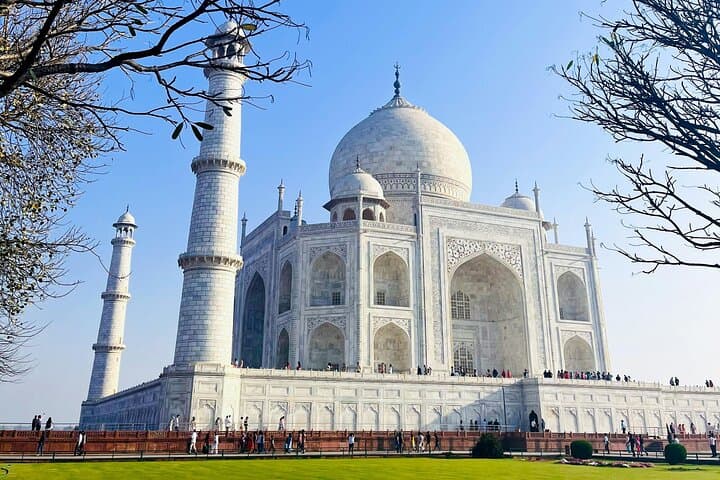
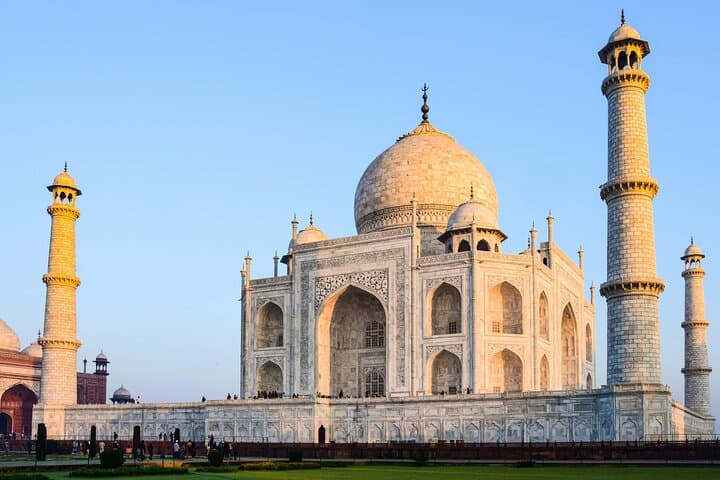
The route itself is a lesson in landscape and empire: a flight leap to the Gangetic plain, hours on the Yamuna-bordered expressway, and the Mughal stonework of Agra—the Taj Mahal’s white marble that warms under sunrise and darkens into pink at dusk. Fatehpur Sikri sits like an evacuated court, its red sandstone façades speaking to Anthony Reid’s accounts of forgotten capitals; Jaipur rises later from the plains, planned in the 18th century to ancient architectural rules, its ochre buildings broad and deliberate.
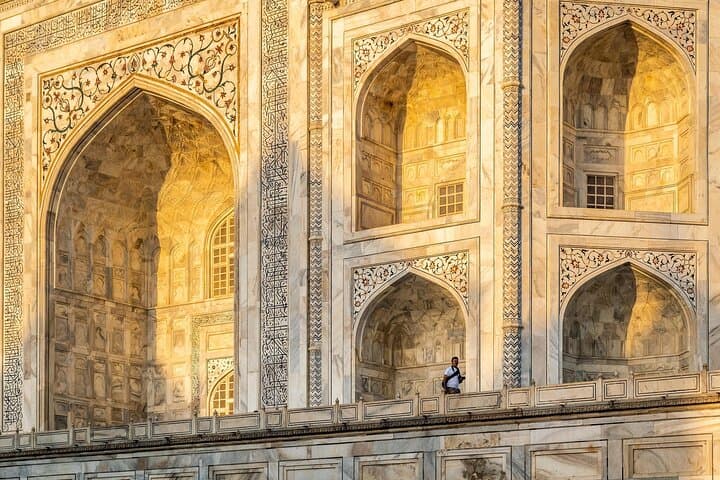
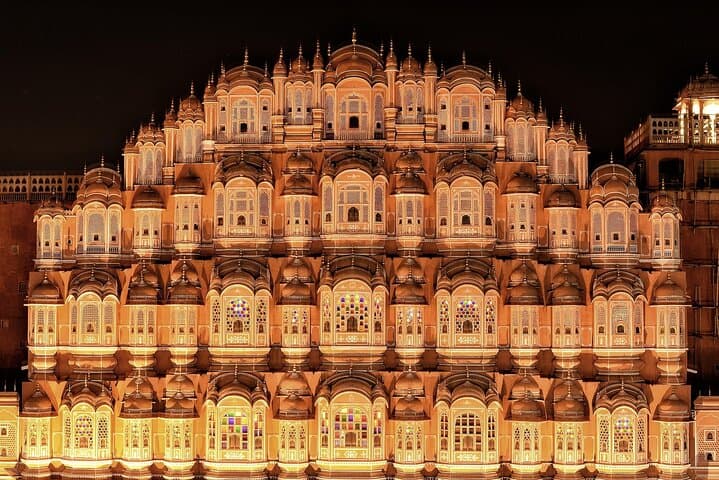
Culturally the trip layers Mughal art — marble inlay, fortress architecture — with Rajput pageantry: Amber Fort’s ramparts, Hawa Mahal’s latticed windows, and bustling bazaars where carpets and gem-cutting live demonstrations keep centuries-old crafts vibrant.
Practical guidance: pack comfortable walking shoes and a hat, plan Taj visits at sunrise to avoid crowds and heat, and allow flexible time for highway traffic. Carry photocopies of travel documents for checkpoints and modest clothing for mosque and palace interiors. Expect long drives and brief windows at major sites; the trip rewards early starts and patient pacing with clear views, local craft demonstrations, and an efficient route through three of northern India’s greatest cultural sites.
easy.
3 days.
Suitable for travelers with average fitness; expect multiple short walks, stairs at forts, and standard airport transfers.
Yes—original passport is required for booking records and some checkpoints; keep photocopies handy for daily use.
The Taj is closed on Fridays; plan the itinerary accordingly and expect weather-dependent sunrise access.
Breakfast is included on mornings when accommodation is booked through the tour option; other meals and optional stops like Fatehpur Sikri are at your expense.
Each city tour involves moderate walking with uneven surfaces and stairs—plan for 1–3 miles of walking across multiple short sessions each day.
This triangle of cities charts Mughal power and later Rajput urban planning—Agra’s Mughal monuments and Jaipur’s 18th-century city grid reflect different imperial visions.
High visitor numbers stress delicate marble and sandstone surfaces; support licensed guides and avoid touching inlaid work to reduce wear, and follow local waste guidelines to lessen tourism impact.
Nikita Holidays operates guided outdoor trips and adventures with an emphasis on safety, stewardship, and memorable experiences.
Dawn in Pune means a pickup into the pre-dawn traffic and a short airport run that feels like the first step into India’s layered history. By midday you’re in Delhi, brushing past colonial government buildings before the sandstone vertical of Qutub Minar pulls your attention skyward.
Dawn in Pune means a pickup into the pre-dawn traffic and a short airport run that feels like the first step into India’s layered history. By midday you’re in Delhi, brushing past colonial government buildings before the sandstone vertical of Qutub Minar pulls your attention skyward.
The route itself is a lesson in landscape and empire: a flight leap to the Gangetic plain, hours on the Yamuna-bordered expressway, and the Mughal stonework of Agra—the Taj Mahal’s white marble that warms under sunrise and darkens into pink at dusk. Fatehpur Sikri sits like an evacuated court, its red sandstone façades speaking to Anthony Reid’s accounts of forgotten capitals; Jaipur rises later from the plains, planned in the 18th century to ancient architectural rules, its ochre buildings broad and deliberate.
Culturally the trip layers Mughal art — marble inlay, fortress architecture — with Rajput pageantry: Amber Fort’s ramparts, Hawa Mahal’s latticed windows, and bustling bazaars where carpets and gem-cutting live demonstrations keep centuries-old crafts vibrant.
Practical guidance: pack comfortable walking shoes and a hat, plan Taj visits at sunrise to avoid crowds and heat, and allow flexible time for highway traffic. Carry photocopies of travel documents for checkpoints and modest clothing for mosque and palace interiors. Expect long drives and brief windows at major sites; the trip rewards early starts and patient pacing with clear views, local craft demonstrations, and an efficient route through three of northern India’s greatest cultural sites.