THE ADVENTURE COLLECTIVE® · Independent discovery and booking for outdoor travel

A brisk three-day sweep from Guwahati links Delhi’s monuments with a sunrise at the Taj Mahal and Jaipur’s Amber Fort. Expect early starts, expressway drives, guided history and a steady flow of market stops.
A brisk three-day sweep from Guwahati links Delhi’s monuments with a sunrise at the Taj Mahal and Jaipur’s Amber Fort. Expect early starts, expressway drives, guided history and a steady flow of market stops.
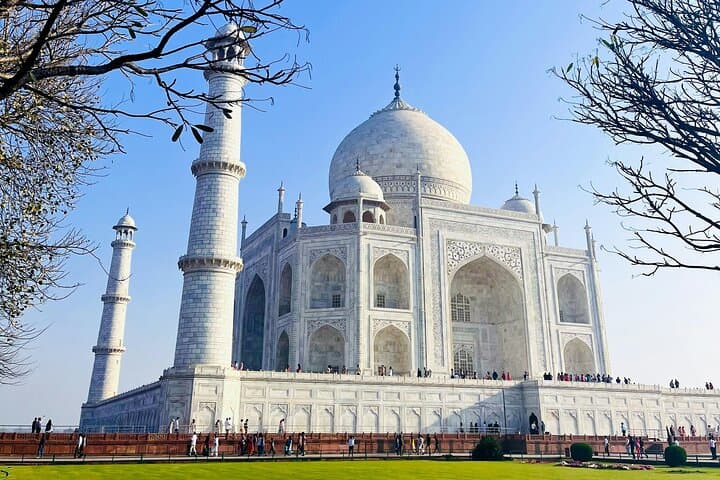
You step out before dawn in Guwahati, the city still cool and the van idling quietly as the driver checks the manifest. Hours later you’ll be standing beneath the marble silhouette of the Taj Mahal as first light slices across the Yamuna, the river daring you to look away while morning mist lifts from the gardens.
Verified experiences and guided adventures in the surrounding area.
Operated by Hire Taxi India · Guwahati, Assam
You step out before dawn in Guwahati, the city still cool and the van idling quietly as the driver checks the manifest. Hours later you’ll be standing beneath the marble silhouette of the Taj Mahal as first light slices across the Yamuna, the river daring you to look away while morning mist lifts from the gardens.
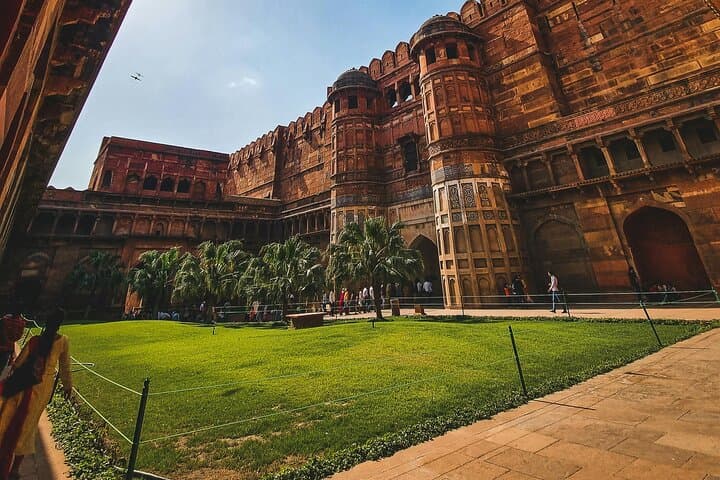
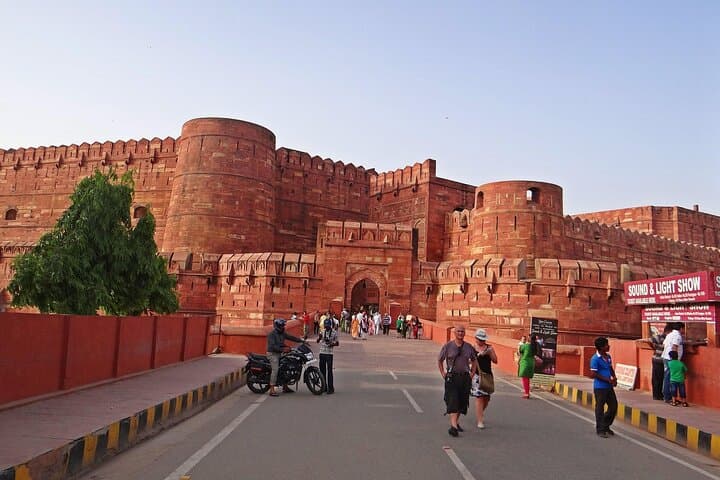
This compact three-day route threads modern Delhi’s imperial monuments with Mughal and Rajput history in Agra and Jaipur. Delhi’s Qutub Minar dates to the 12th century and marks early Sultanate architecture; Agra embodies Mughal funerary art centered on the Taj and the red-sandstone Agra Fort; Jaipur’s grid-planned streets, Amber Fort and Hawa Mahal reflect 18th-century Rajput urban design and the Shilpa-Shastra principles.
Expect long transfer windows by road (3–4 hours between cities on expressways), paved approaches and plenty of stairs at forts and observatories. You’ll encounter busy markets—Chandni Chowk’s narrow lanes and Jaipur’s Johari Bazaar—where textiles and handicrafts are cold-weather friendly and hot-season relentless.
Practical notes: carry photocopies of passports and a compact daypack with water, sun protection and ID for monument entry. Sunrise Taj visits are weather-dependent and the monument is closed on Fridays; plan flight connections with at least a few hours buffer. Wear comfortable, broken-in shoes for cobbled fort ramps and allow time for security lines. Hydrate, pace museum visits, and leave extra room in your schedule for an unexpected bazaar detour—those are often the most memorable parts of a short Indian circuit.
easy.
3 days.
Suitable for travelers with basic mobility; involves walking on uneven surfaces and stairs but no sustained hikes.
The Taj Mahal is closed on Fridays; sunrise visits are available most days but can be cancelled by weather or local restrictions.
International travelers must hold the appropriate Indian visa; ensure passport validity and visa status before booking.
This tour lists monument entrance fees as included, but optional stops like Fatehpur Sikri may require separate fees paid locally.
Pickup is offered from hotels or other agreed locations in Guwahati—confirm exact pickup point and time when booking.
This route traces Mughal imperial power in Agra and the Rajput court culture of Jaipur, with Delhi’s monuments reflecting Sultanate and colonial-era governance.
Visitor pressure at the Taj and nearby sites has led to timed entry and restrictions; minimize plastic, stick to designated paths and respect conservation signage.
Hire Taxi India operates guided outdoor trips and adventures with an emphasis on safety, stewardship, and memorable experiences.

You step out before dawn in Guwahati, the city still cool and the van idling quietly as the driver checks the manifest. Hours later you’ll be standing beneath the marble silhouette of the Taj Mahal as first light slices across the Yamuna, the river daring you to look away while morning mist lifts from the gardens.
You step out before dawn in Guwahati, the city still cool and the van idling quietly as the driver checks the manifest. Hours later you’ll be standing beneath the marble silhouette of the Taj Mahal as first light slices across the Yamuna, the river daring you to look away while morning mist lifts from the gardens.
This compact three-day route threads modern Delhi’s imperial monuments with Mughal and Rajput history in Agra and Jaipur. Delhi’s Qutub Minar dates to the 12th century and marks early Sultanate architecture; Agra embodies Mughal funerary art centered on the Taj and the red-sandstone Agra Fort; Jaipur’s grid-planned streets, Amber Fort and Hawa Mahal reflect 18th-century Rajput urban design and the Shilpa-Shastra principles.
Expect long transfer windows by road (3–4 hours between cities on expressways), paved approaches and plenty of stairs at forts and observatories. You’ll encounter busy markets—Chandni Chowk’s narrow lanes and Jaipur’s Johari Bazaar—where textiles and handicrafts are cold-weather friendly and hot-season relentless.
Practical notes: carry photocopies of passports and a compact daypack with water, sun protection and ID for monument entry. Sunrise Taj visits are weather-dependent and the monument is closed on Fridays; plan flight connections with at least a few hours buffer. Wear comfortable, broken-in shoes for cobbled fort ramps and allow time for security lines. Hydrate, pace museum visits, and leave extra room in your schedule for an unexpected bazaar detour—those are often the most memorable parts of a short Indian circuit.