THE ADVENTURE COLLECTIVE® · Independent discovery and booking for outdoor travel

Three days across one of Earth’s most extreme landscapes: watch Erta Ale’s lava lake glow, walk surreal sulfur terraces at Dallol, and meet Afar salt-mining traditions. This guide explains what to expect and how to prepare for the heat, the terrain, and the remote logistics.
Three days across one of Earth’s most extreme landscapes: watch Erta Ale’s lava lake glow, walk surreal sulfur terraces at Dallol, and meet Afar salt-mining traditions. This guide explains what to expect and how to prepare for the heat, the terrain, and the remote logistics.
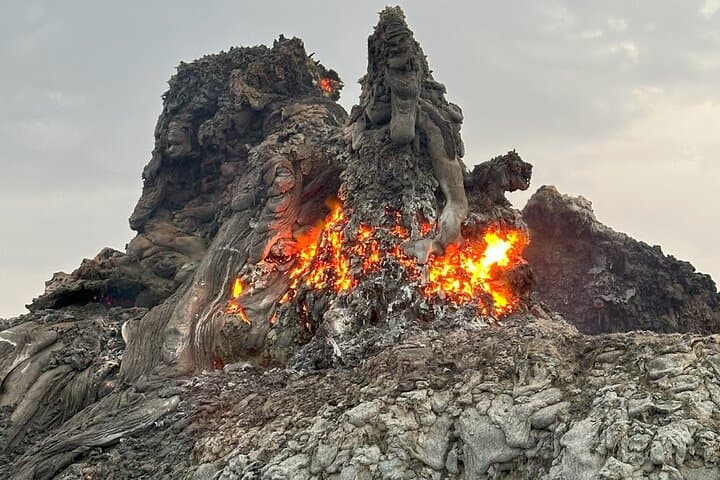
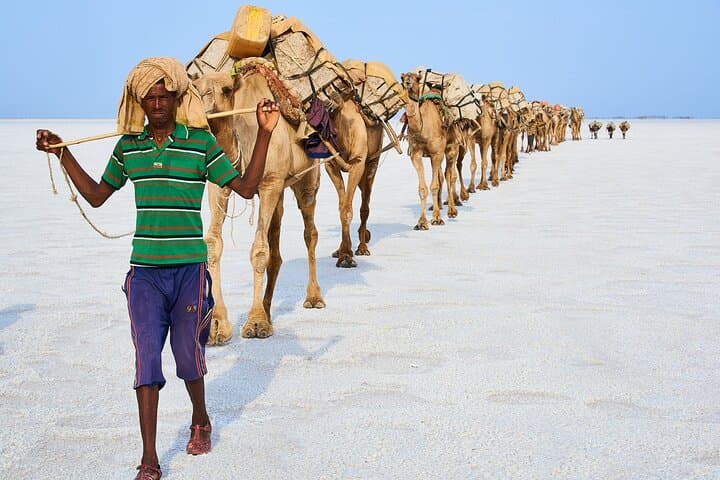
A black-iron horizon meets a cold night sky as you arrive at Erta Ale’s rim: the lava lake gurgles and casts a steady orange wash over the basalt, while wind-bent shrubs stand guard on the lava flows. On this three-day route through the Danakil Depression the landscape changes from salt flats to acid pools, from camel-led salt caravans to a persistently active volcano that seems to breathe.
Verified experiences and guided adventures in the surrounding area.
Operated by Majesty Ethiopia Tours · Semera, Afar Region
A black-iron horizon meets a cold night sky as you arrive at Erta Ale’s rim: the lava lake gurgles and casts a steady orange wash over the basalt, while wind-bent shrubs stand guard on the lava flows. On this three-day route through the Danakil Depression the landscape changes from salt flats to acid pools, from camel-led salt caravans to a persistently active volcano that seems to breathe.
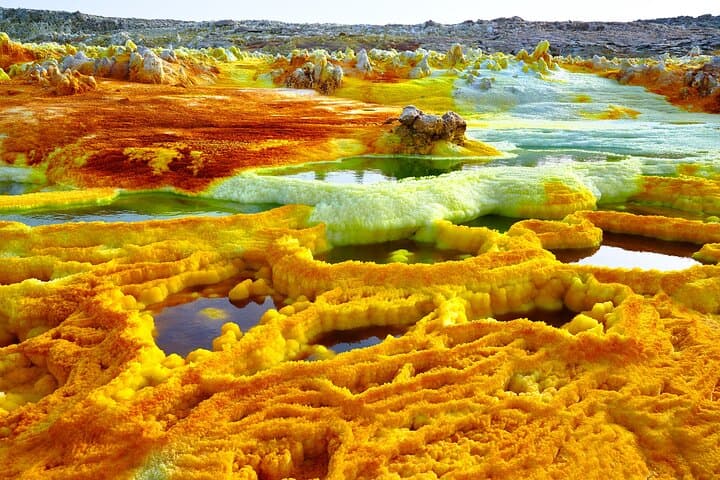
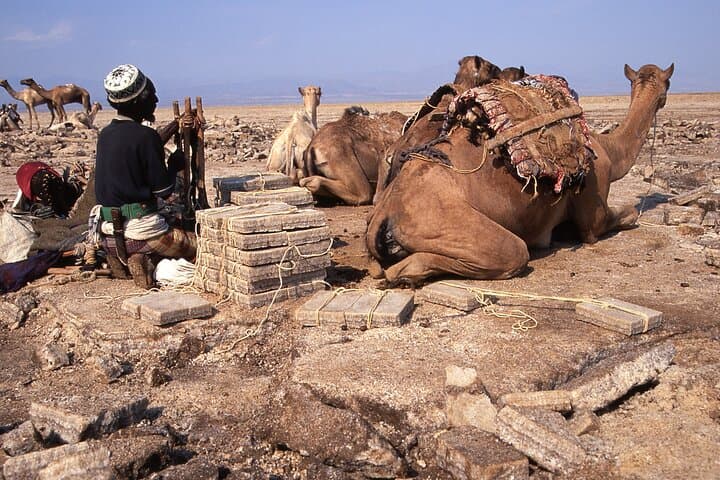
Geology here is raw. The Danakil sits on a rift where the Afar Triple Junction pulls the crust apart—sulfur-rich springs, salt pans and steaming fumaroles record ongoing creation. Culturally, the Afar people have worked these salt flats for generations; camel caravans and hand-cut salt blocks remain part of daily life around Dallol and Lake Afdera.
Expect basic desert camping, early starts for cooler hours, and long drives between sites. The Erta Ale climb is a 40–60 minute, moderate trek over uneven lava fields; Dallol is mostly short walks across fragile, steaming ground—stay on routes set by guides. Bring high-SPF sun protection, a reliable headlamp, a warm layer for nights and plenty of water: temperatures swing intensely, dry heat by day and sharp cold after sunset.
Safety and respect are practical priorities: follow guides around unstable hydrothermal crusts, give space to salt miners and caravans, and pack out waste. Timing your trip in cooler months helps, but even then the desert demands hydration discipline and sober planning. The Danakil rewards those who come prepared—its landscapes are otherworldly, insistently alive, and startlingly direct.
challenging.
3 days.
Moderate to good fitness—able to handle 40–60 minute uneven treks, long vehicle drives, and camping in harsh heat
With an experienced local guide and by following safety instructions—staying on established trails and keeping distance from rims—the visit is generally safe; volcanic areas are dynamic so conditions can change.
National park fees and local access charges are typically included by reputable tour operators, but visitors should confirm entrance fees and permit requirements before travel.
Very remote: expect basic, crew-supported desert camping and few amenities; long drives between sites mean minimal infrastructure and reliance on operator logistics.
Cooler months (roughly October–March) offer milder daytime heat, though nights can be cold; avoid peak summer months if sensitive to extreme heat.
Salt extraction has sustained Afar communities for centuries; trade routes across the salt flats connected inland Ethiopia to the Red Sea long before modern roads.
The region’s hydrothermal features are fragile—avoid stepping on thin crusts, dispose of waste properly, and support guides who prioritize minimizing site disturbance.
Majesty Ethiopia Tours operates guided outdoor trips and adventures with an emphasis on safety, stewardship, and memorable experiences.
A black-iron horizon meets a cold night sky as you arrive at Erta Ale’s rim: the lava lake gurgles and casts a steady orange wash over the basalt, while wind-bent shrubs stand guard on the lava flows. On this three-day route through the Danakil Depression the landscape changes from salt flats to acid pools, from camel-led salt caravans to a persistently active volcano that seems to breathe.
A black-iron horizon meets a cold night sky as you arrive at Erta Ale’s rim: the lava lake gurgles and casts a steady orange wash over the basalt, while wind-bent shrubs stand guard on the lava flows. On this three-day route through the Danakil Depression the landscape changes from salt flats to acid pools, from camel-led salt caravans to a persistently active volcano that seems to breathe.
Geology here is raw. The Danakil sits on a rift where the Afar Triple Junction pulls the crust apart—sulfur-rich springs, salt pans and steaming fumaroles record ongoing creation. Culturally, the Afar people have worked these salt flats for generations; camel caravans and hand-cut salt blocks remain part of daily life around Dallol and Lake Afdera.
Expect basic desert camping, early starts for cooler hours, and long drives between sites. The Erta Ale climb is a 40–60 minute, moderate trek over uneven lava fields; Dallol is mostly short walks across fragile, steaming ground—stay on routes set by guides. Bring high-SPF sun protection, a reliable headlamp, a warm layer for nights and plenty of water: temperatures swing intensely, dry heat by day and sharp cold after sunset.
Safety and respect are practical priorities: follow guides around unstable hydrothermal crusts, give space to salt miners and caravans, and pack out waste. Timing your trip in cooler months helps, but even then the desert demands hydration discipline and sober planning. The Danakil rewards those who come prepared—its landscapes are otherworldly, insistently alive, and startlingly direct.