THE ADVENTURE COLLECTIVE® · Independent discovery and booking for outdoor travel

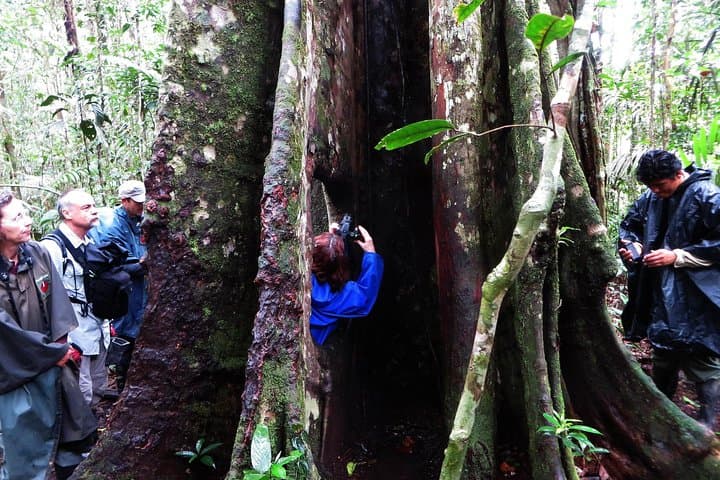
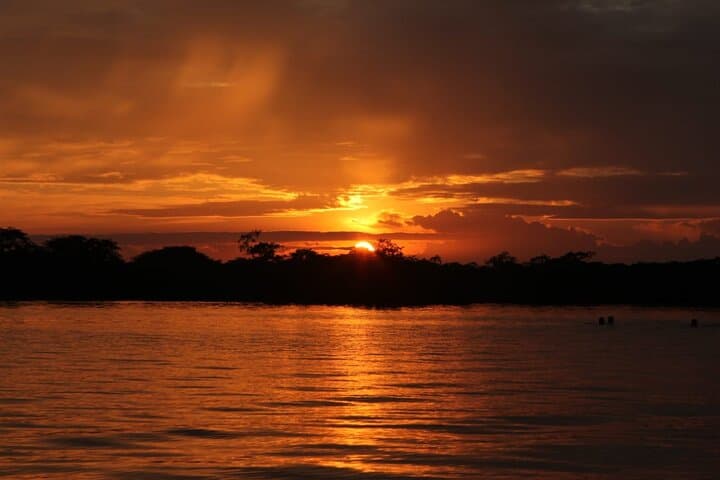
Three days on the black-water canals of Reserva de Cuyabeno, moving by canoe between lagoons and primary forest. Swim Laguna Grande at sunset, hike with a native guide to learn medicinal plants, and search for nocturnal wildlife on guided night walks.
Three days on the black-water canals of Reserva de Cuyabeno, moving by canoe between lagoons and primary forest. Swim Laguna Grande at sunset, hike with a native guide to learn medicinal plants, and search for nocturnal wildlife on guided night walks.
You step off the canoe at Puente de Cuyabeno and the river exhales: a slow, green breath that pushes you toward the lodge. Over the next 48 hours the water becomes highway and horizon; your path threads between oxbow lakes, black-water channels and a lagoon that holds the sky at sunset.
Verified experiences and guided adventures in the surrounding area.
Operated by Tangol · Lago Agrio (Nueva Loja), Sucumbíos
You step off the canoe at Puente de Cuyabeno and the river exhales: a slow, green breath that pushes you toward the lodge. Over the next 48 hours the water becomes highway and horizon; your path threads between oxbow lakes, black-water channels and a lagoon that holds the sky at sunset.
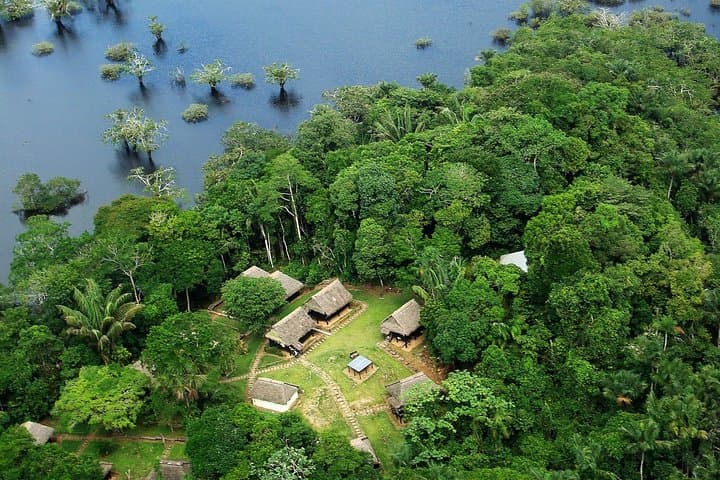
Reserva de Cuyabeno sits in Ecuador’s upper Amazon within Sucumbíos province, carved by the Cuyabeno River and shaped by millennia of seasonal flooding. Geological slow-motion has created lagoons, braided channels and nutrient-rich forest where communities of Siona, Secoya and other indigenous people have practiced riverine life for generations. Guides—often local and bilingual—share practical knowledge of medicinal plants, and point out how soil and water patterns sculpt where trees and palms grow.
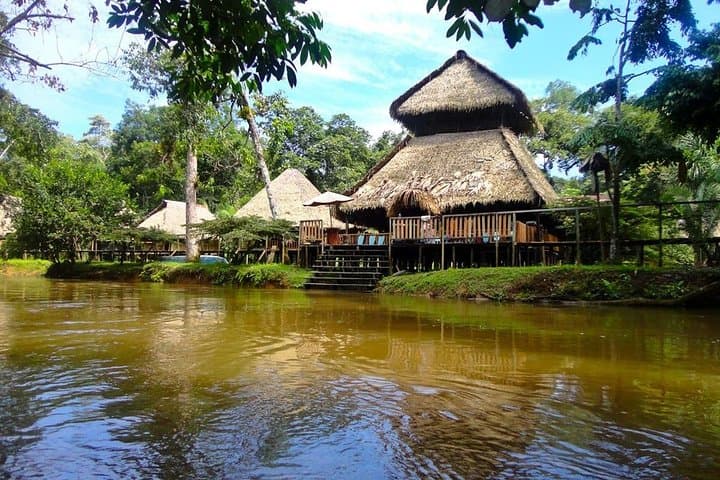
Expect canoe navigation at dawn and dusk, guided daytime hikes through primary forest, night walks to spot caimans and insects, and a Laguna Grande swim at sunset. Accommodations are simple cabins at Dolphin Lodge with meals included; sessions balance wildlife watching (river dolphins, monkeys, countless birds) with cultural context provided by native staff.
Practical edge: arrive at Puente de Cuyabeno as instructed, pack quick-dry layers, strong insect repellent and a reliable headlamp. Water levels and wildlife activity shift with the rains—mornings are best for birding, evening canoe trips concentrate larger mammals and caimans. The program is immersive but physically moderate: expect several short hikes and multiple canoe transfers over three days.
moderate.
3 days.
Moderate fitness — you should be comfortable with short hikes (1–3 hours), canoe rides and basic camp-style living.
Most travelers take an overnight bus from Quito to Lago Agrio and arrange a local transfer to Puente de Cuyabeno; check the operator’s pick-up notes and arrive at the stated meeting point on time.
Yes—guided swims are organized in designated areas and at times when guides consider conditions safe; always follow guide instructions and avoid swimming at night.
Wildlife sightings are common but not guaranteed; river dolphin and sloth encounters depend on season, time of day and animal behavior—guides maximize chances by selecting active channels and quiet observation.
Vaccination recommendations change—consult a travel clinic for yellow fever, routine immunizations and malaria prophylaxis guidance based on your itinerary and medical history.
Local indigenous communities such as the Siona and Secoya have inhabited the Cuyabeno basin for generations; their river-oriented culture and plant knowledge shape many lodge activities and interpretations.
Cuyabeno is protected as a wildlife reserve, but increasing tourism and upstream development press on ecosystems—choose operators that support community projects and limit plastic and noise impacts.
Tangol operates guided outdoor trips and adventures with an emphasis on safety, stewardship, and memorable experiences.
You step off the canoe at Puente de Cuyabeno and the river exhales: a slow, green breath that pushes you toward the lodge. Over the next 48 hours the water becomes highway and horizon; your path threads between oxbow lakes, black-water channels and a lagoon that holds the sky at sunset.
You step off the canoe at Puente de Cuyabeno and the river exhales: a slow, green breath that pushes you toward the lodge. Over the next 48 hours the water becomes highway and horizon; your path threads between oxbow lakes, black-water channels and a lagoon that holds the sky at sunset.
Reserva de Cuyabeno sits in Ecuador’s upper Amazon within Sucumbíos province, carved by the Cuyabeno River and shaped by millennia of seasonal flooding. Geological slow-motion has created lagoons, braided channels and nutrient-rich forest where communities of Siona, Secoya and other indigenous people have practiced riverine life for generations. Guides—often local and bilingual—share practical knowledge of medicinal plants, and point out how soil and water patterns sculpt where trees and palms grow.
Expect canoe navigation at dawn and dusk, guided daytime hikes through primary forest, night walks to spot caimans and insects, and a Laguna Grande swim at sunset. Accommodations are simple cabins at Dolphin Lodge with meals included; sessions balance wildlife watching (river dolphins, monkeys, countless birds) with cultural context provided by native staff.
Practical edge: arrive at Puente de Cuyabeno as instructed, pack quick-dry layers, strong insect repellent and a reliable headlamp. Water levels and wildlife activity shift with the rains—mornings are best for birding, evening canoe trips concentrate larger mammals and caimans. The program is immersive but physically moderate: expect several short hikes and multiple canoe transfers over three days.