THE ADVENTURE COLLECTIVE® · Independent discovery and booking for outdoor travel

A three-day overland and boat journey from Cusco to Puno that combines high-Andean scenery, colonial churches, Inca sites and visits to the Uros and Taquile islands on Lake Titicaca. Perfect for travelers who want cultural depth with manageable walking and two nights in Puno.
A three-day overland and boat journey from Cusco to Puno that combines high-Andean scenery, colonial churches, Inca sites and visits to the Uros and Taquile islands on Lake Titicaca. Perfect for travelers who want cultural depth with manageable walking and two nights in Puno.
Dawn finds the high road from Cusco unfolding like a series of scaled terraces — mountain air thin, and the Andes pushing cold and blue against the horizon.
Verified experiences and guided adventures in the surrounding area.
Operated by LimaTours · Puno, Puno
Dawn finds the high road from Cusco unfolding like a series of scaled terraces — mountain air thin, and the Andes pushing cold and blue against the horizon.
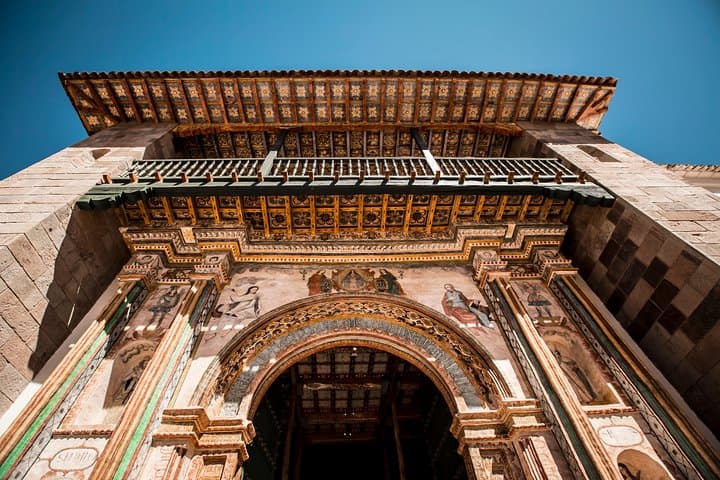
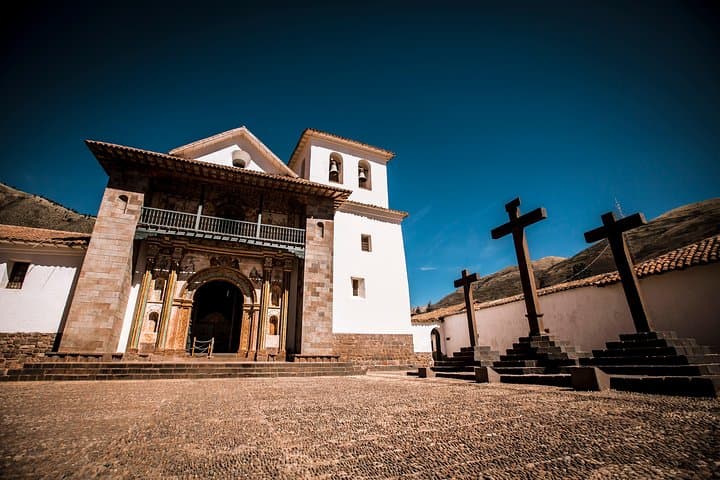
Travelers board an overland bus that threads villages, colonial churches and Inca ruins on a slow descent toward the vast mirror of Lake Titicaca. History arrives in chapters: the gilded baroque of Andahuaylillas’ 16th-century parish, pre-Inca stonework at Pucara, and the rectangular Temple of Wiracocha at Racchi that speaks to imperial engineering. Geology here matters — puna grassland, glacially scoured valleys and La Raya pass at 4,313 m where the land tips toward the Altiplano.
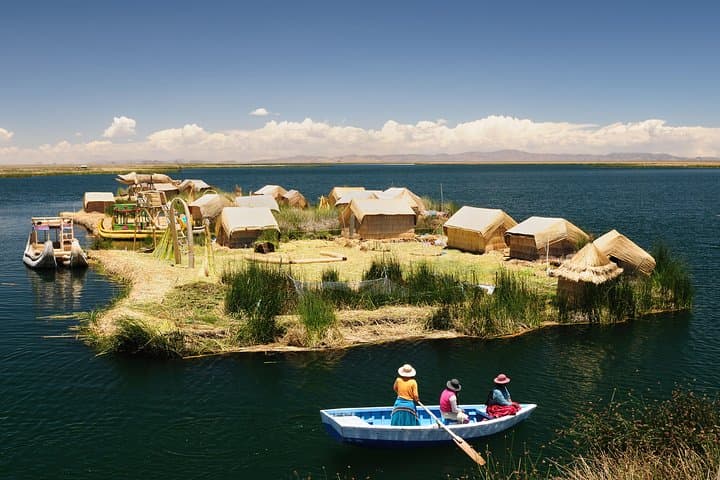
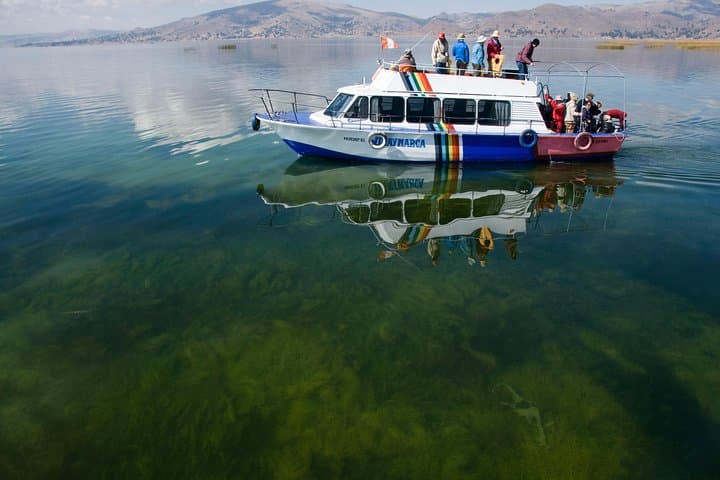
On day two the lake takes the stage. Boats slice reed beds where the Uros people live on floating totora islands they rebuild by hand, and Taquile’s terraces and textile traditions reveal a living link to Inca organization. Wind on the water is purposeful; it rearranges reeds and keeps the islands working.
Practical guidance: acclimatize in Cusco before departure, hydrate and limit alcohol to ease altitude. Pack layered outerwear for sharp temperature swings between dawn bus rides and sunny afternoons on the lake. Foot traffic on Taquile is stepped and rocky — comfortable low-profile hiking shoes are useful. Expect moderate walking, cultural encounters with English- and Spanish-speaking guides, two hotel nights in Puno, and boat transfers included.
This three-day route is an immersive primer on southern Andean life — a compact, walkable sequence of archaeology, living culture and freshwater landscapes that reward attention and sensible pacing.
easy.
3 days.
Suitable for travelers in average fitness; expect short to moderate walks on uneven terrain and stair-like paths on islands. High-altitude tolerance recommended.
Yes; spending 24–48 hours in Cusco or another high-altitude town before the bus ride helps reduce symptoms of altitude sickness.
Two breakfasts and two lunches are included, along with two nights’ hotel accommodation in Puno; check your booking for the hotel category selected.
Lake Titicaca is generally calm but can be windy; operators provide life jackets and boats are rated for passenger comfort — those sensitive to motion should bring medication.
Yes; Taquile has local markets and cooperative-run stalls where textiles are sold, and purchases directly support the community economy.
The region blends Inca, pre-Inca and colonial histories — Taquile retains communal textile practices from pre-Hispanic organization, and Andahuaylillas contains 16th-century baroque art influenced by Spanish missionaries.
Local communities manage reed harvesting and island maintenance; travelers should avoid leaving waste on islands and support community-led tourism to reinforce conservation incentives.
LimaTours operates guided outdoor trips and adventures with an emphasis on safety, stewardship, and memorable experiences.
Dawn finds the high road from Cusco unfolding like a series of scaled terraces — mountain air thin, and the Andes pushing cold and blue against the horizon.
Dawn finds the high road from Cusco unfolding like a series of scaled terraces — mountain air thin, and the Andes pushing cold and blue against the horizon.
Travelers board an overland bus that threads villages, colonial churches and Inca ruins on a slow descent toward the vast mirror of Lake Titicaca. History arrives in chapters: the gilded baroque of Andahuaylillas’ 16th-century parish, pre-Inca stonework at Pucara, and the rectangular Temple of Wiracocha at Racchi that speaks to imperial engineering. Geology here matters — puna grassland, glacially scoured valleys and La Raya pass at 4,313 m where the land tips toward the Altiplano.
On day two the lake takes the stage. Boats slice reed beds where the Uros people live on floating totora islands they rebuild by hand, and Taquile’s terraces and textile traditions reveal a living link to Inca organization. Wind on the water is purposeful; it rearranges reeds and keeps the islands working.
Practical guidance: acclimatize in Cusco before departure, hydrate and limit alcohol to ease altitude. Pack layered outerwear for sharp temperature swings between dawn bus rides and sunny afternoons on the lake. Foot traffic on Taquile is stepped and rocky — comfortable low-profile hiking shoes are useful. Expect moderate walking, cultural encounters with English- and Spanish-speaking guides, two hotel nights in Puno, and boat transfers included.
This three-day route is an immersive primer on southern Andean life — a compact, walkable sequence of archaeology, living culture and freshwater landscapes that reward attention and sensible pacing.